
A Tradition of Education
one experience at a time
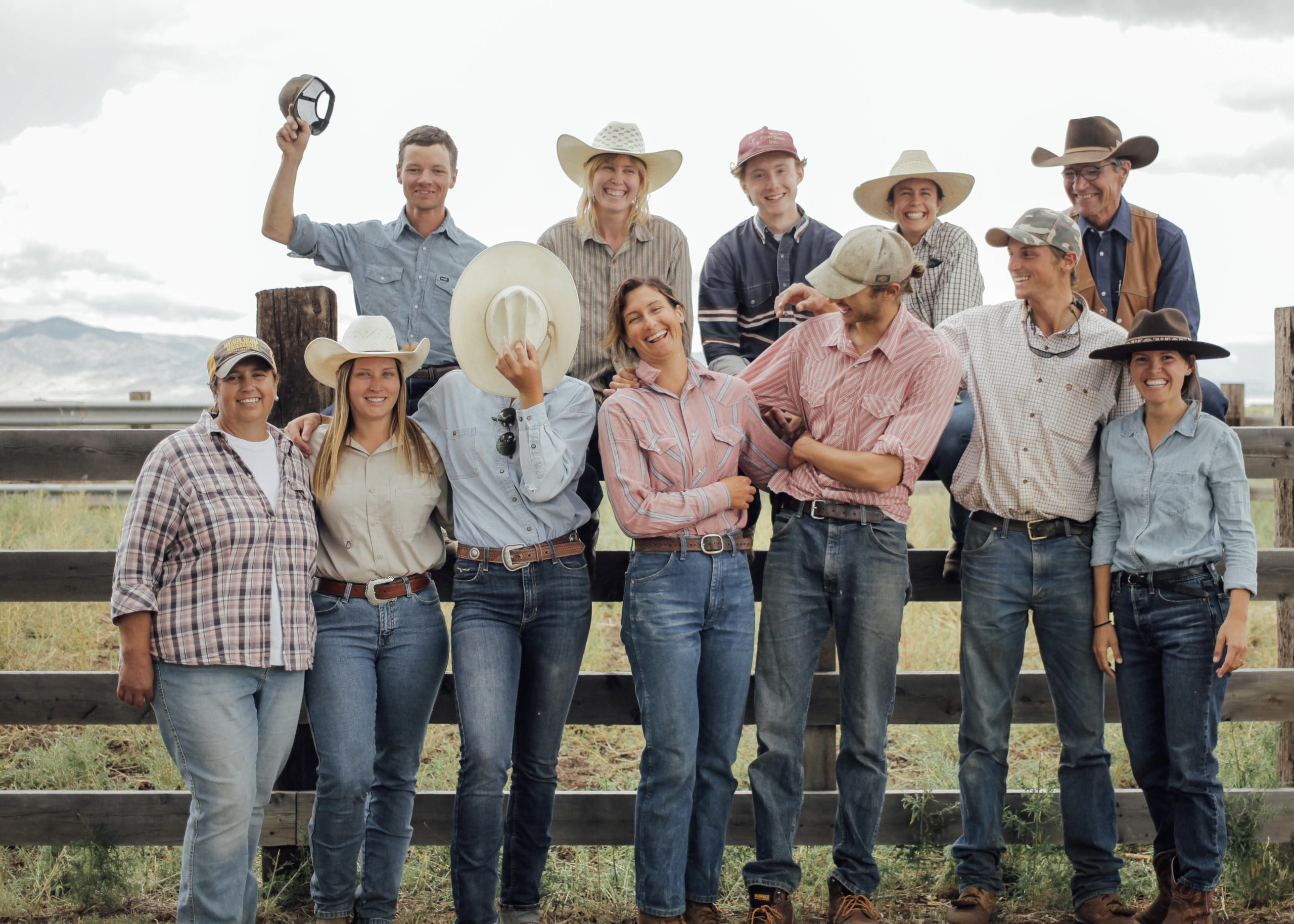
Since 2008, the New Agrarian Program has partnered with ranches and farms around the west to offer eight-month apprenticeships; we have successfully graduated over 150 apprentices. We recently expanded our programming to include more flexible ways for beginning agrarians to access support, as well as more advanced business and entrepreneurial training.
Taking Action for Our Lands
Training Future Land Stewards
Agriculture drives economies, creates jobs, and directly affects the health of our nation. With the national average age of U.S. ranchers and farmers approaching 60, and with less than two percent of the U.S. population currently dedicated to producing food, it is critical that the next generation of food producers and land stewards has the support needed to enter and stay in careers in agriculture.
Apprenticeship Program
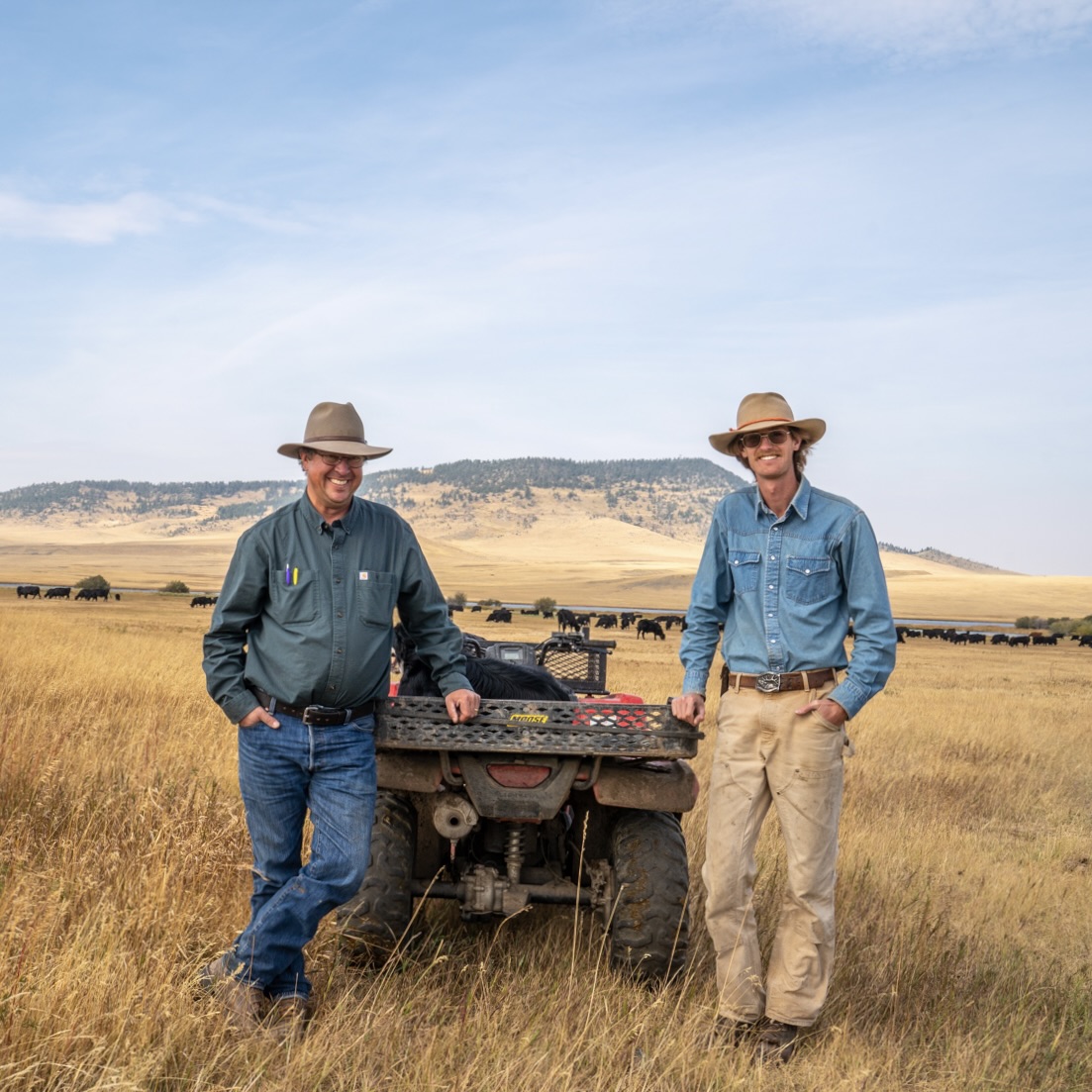
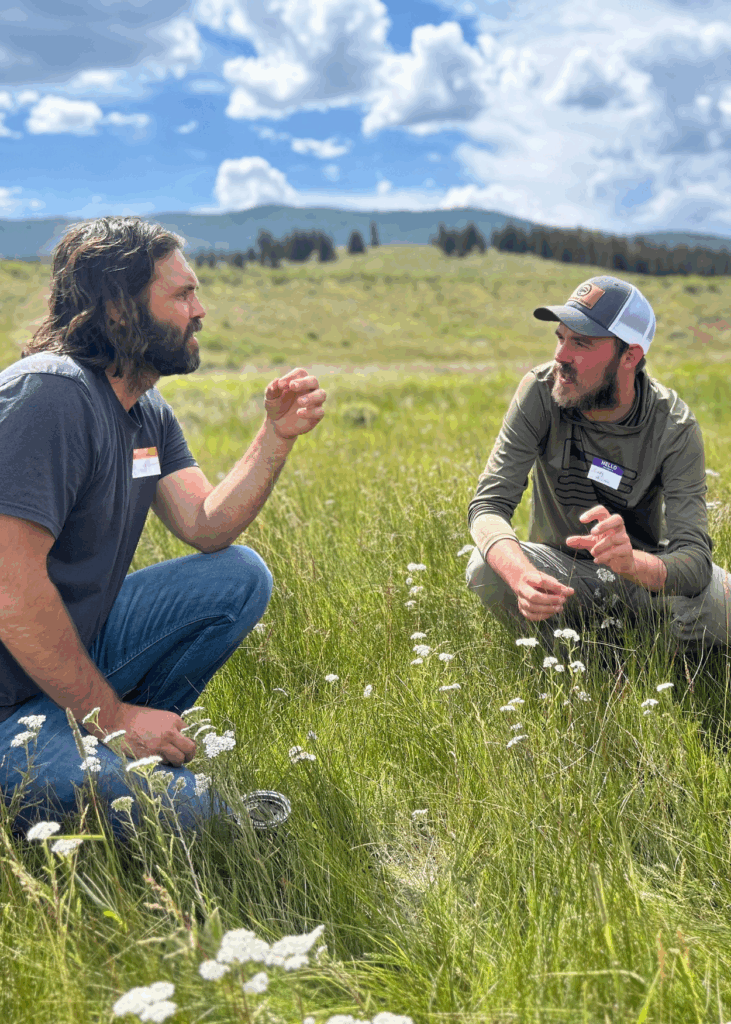
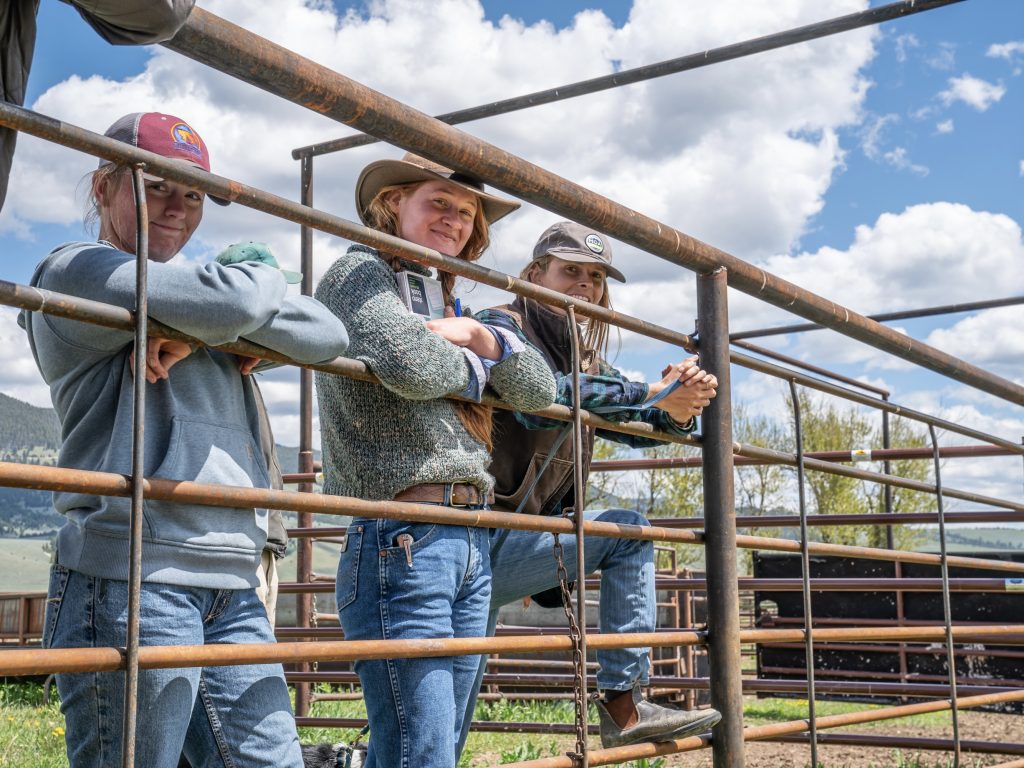
The New Agrarian Program’s flagship offering provides an opportunity for beginning agrarians to gain hands-on skills and build their professional network through eight-month, full immersion apprenticeships on working ranches across the west

Mentors
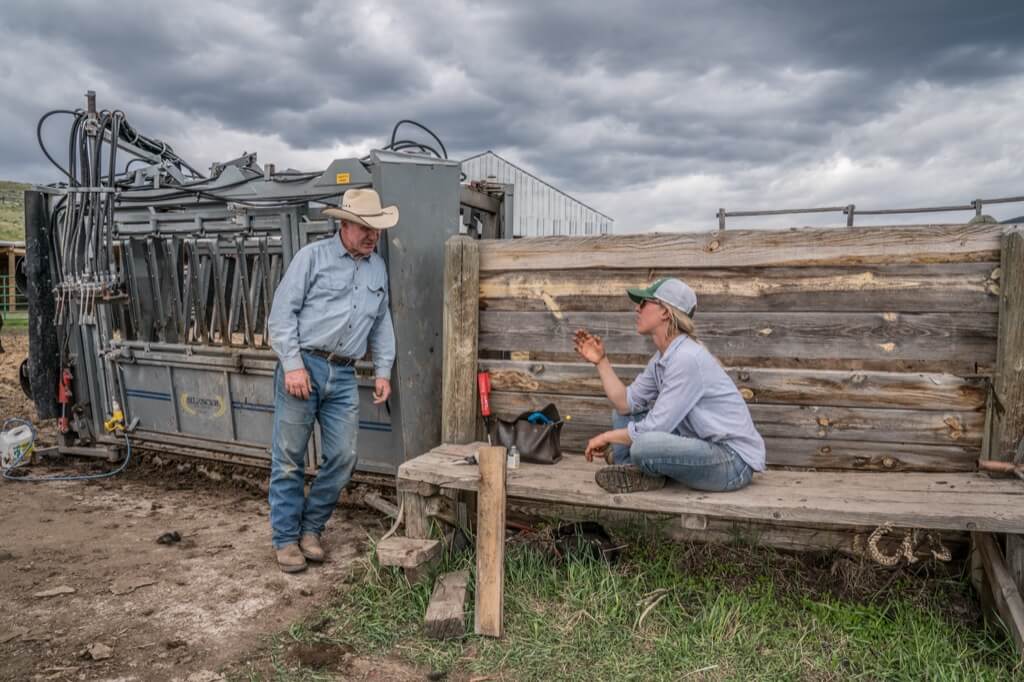
Mentors are dedicated stewards of the land, practice intentional, regenerative methods of food or fiber production, provide excellent animal care, and are skilled and enthusiastic teachers.
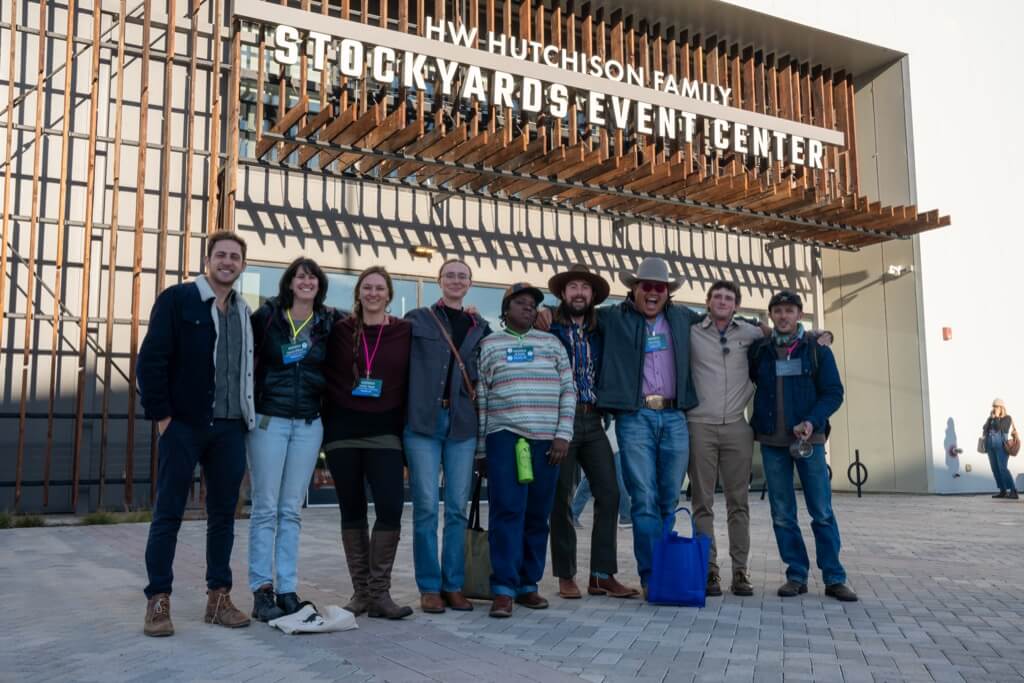
Regenerative Ag Fellowship
This fellowship is designed to be an extracurricular addition to a working experience on a ranch or farm. Fellows will receive access to a community of support and additional resources to supplement their experience and advance their careers in regenerative agriculture.
Manager Fellowship
Designed to support beginning ranchers as they move from ranch hand positions into ranch management or business ownership, this fellowship provides access to business, financial, and entrepreneurial technical assistance and a community of support.
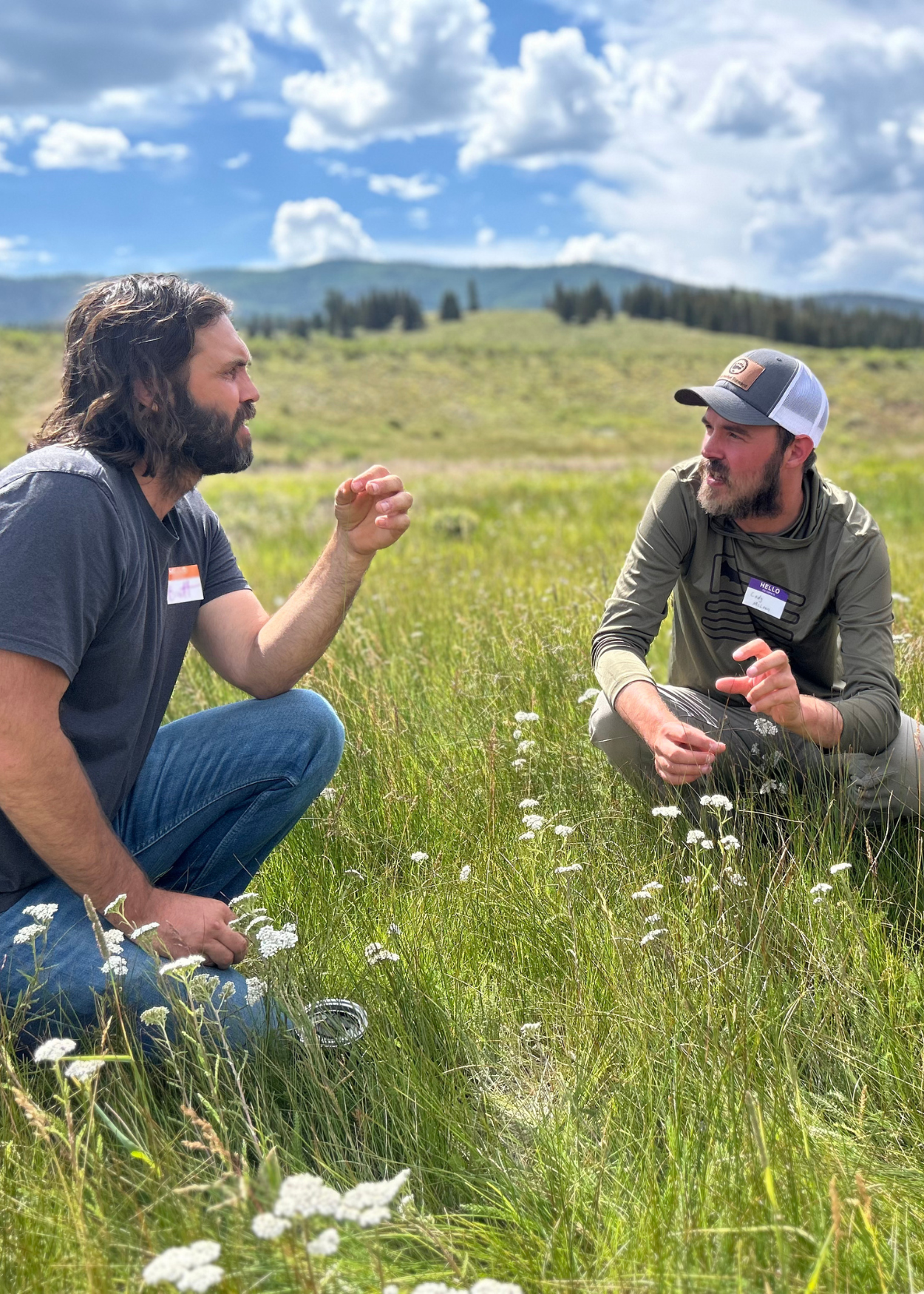
New Agrarian Wellness Training Program
Quivira Coalition and AgWell have partnered to offer a peer-to-peer Wellness Training Program and support network. Over five months, participants will learn frameworks for navigating stress, strategies for addressing mental health challenges, and skills to serve as facilitators in a peer-to-peer support network focused on wellness within an agricultural context.
Take the Next Steps
Applications for the 2026 season Will open Nov. 1, 2025
Take a look at our application to see requirements for applying.
Meet The
New Agrarian Team
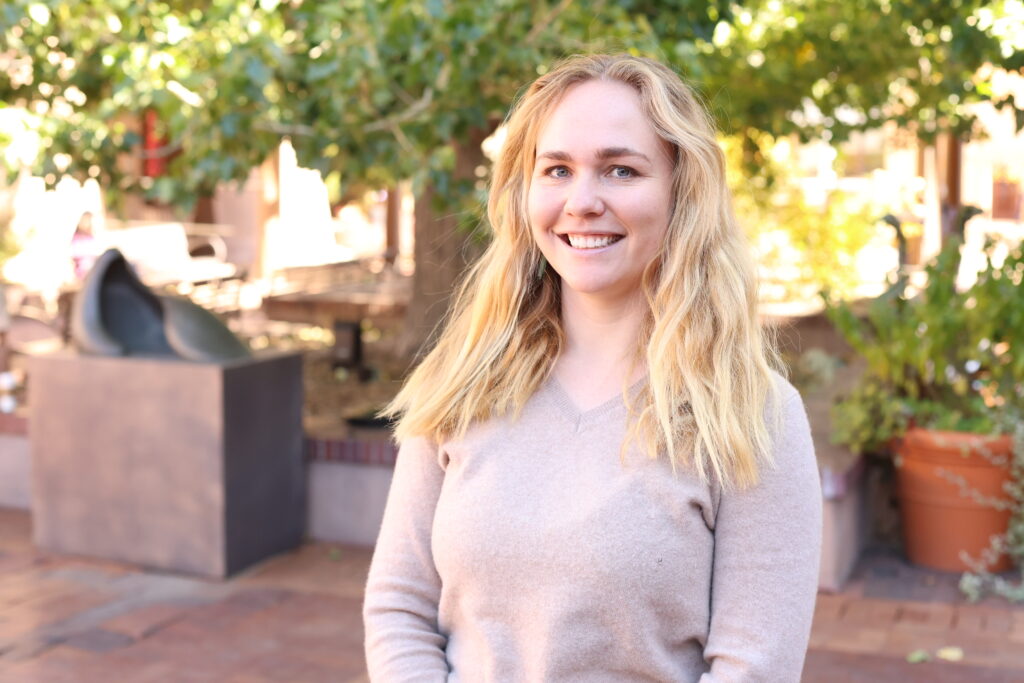
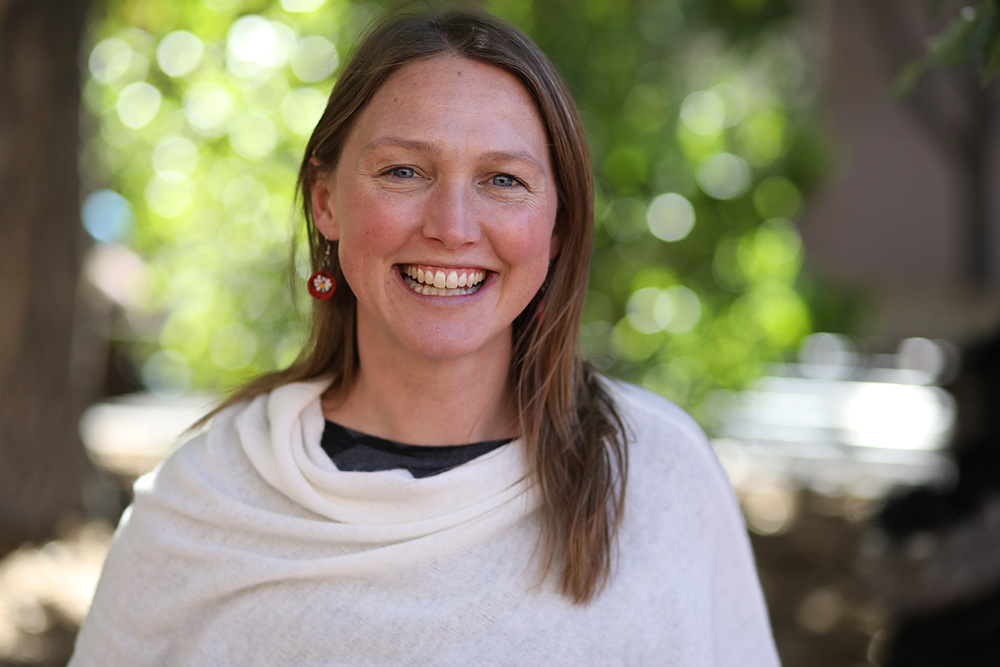
Christina grew up across the US, and so has trouble answering the question, “Where are you from?” This transient upbringing lead to a love for exploring new cultures and landscapes. In fact, her first introduction to rangelands came during college while learning from yak-herding nomads in Tibet, where she gained an appreciation for the reciprocal relationship between people, animals, and grasslands.Since then, she has worked across a variety of agricultural and nonprofit settings, including a vegetable farm for refugees in Virginia and an educational ranch in Colorado. She also worked in Nepal as a Peace Corps Volunteer supporting food security initiatives, as well as in Thailand teaching sustainable resource management through experiential education.Christina holds a Master of Science in Geography from the University of Montana, where her research focused on agroecological resilience on working landscapes. She is currently one of the New Agrarian Program Managers at Quivira Coalition, with a regional focus on Colorado and Wyoming. Based in the Colorado’s Front Range, she enjoys balancing time in the outdoors and creative projects at home.
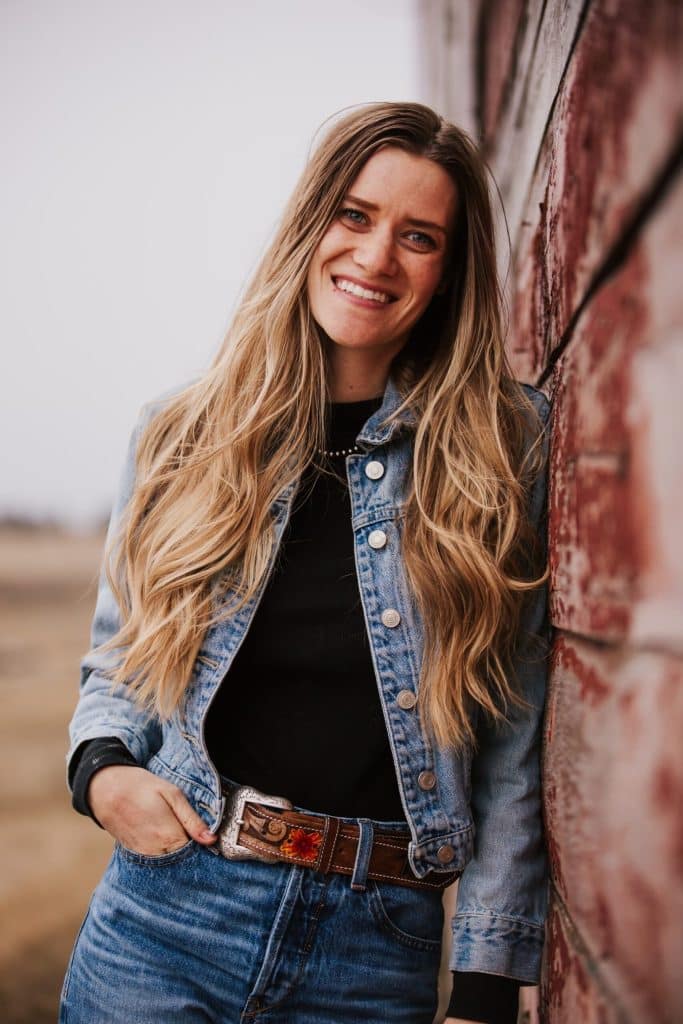
Hayden comes to the NAP team from Central Montana where she resides on her husband’s family ranch, learning alongside them both the joys and struggles of ranching. She was born and raised in rural Montana having both an understanding of the agriculture world and a passion for conservation. She received a B.S. in Rangeland Management from Montana State University. She has spent the start of her career working for the Natural Resource Conservation Service (NRCS) as a Range Management Specialist. It was here where she found her greatest joy was working directly with agriculture producers and learning from them on their operation. That is what excites her most about her new role here at the Quivira Coalition. She serves the Quivira Coalition as the New Agrarian Program Northern Plains Coordinator and is excited to work with mentors and apprentices alike and continue learning on the ground how to better the environment around her. In her free time Hayden enjoys spending her days on a horse, gardening, and spending time outdoors around the ranch with her two wild cowdogs and son Jack.
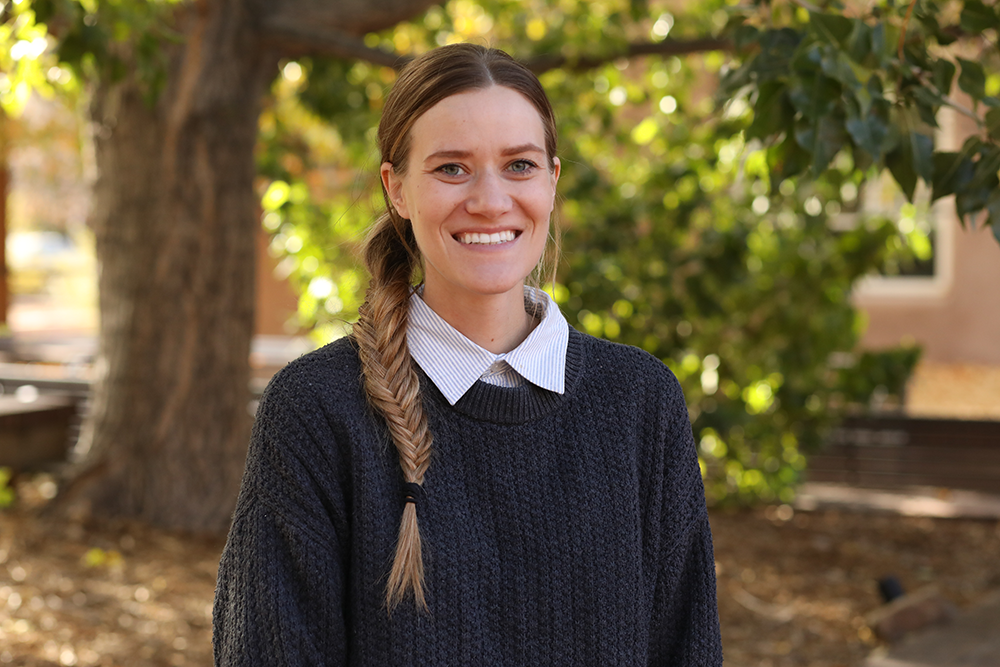

Holly was raised in the mountains outside of Durango, CO. She was fortunate that her family ran an outdoor education business. She actively participated in backpacking tours, bike tours through the western United States and Canada, and Habitat for Humanity work trips in Mexico. She earned her undergraduate degree at Northern Arizona University and worked with children’s outdoor educational camps that explored native cultures and the landscape of Northern Arizona. She holds an M.Agr. in Agriculture Sciences–Integrated Resource Management and a Graduate Certificate in Applied Global Stability in Agriculture from Colorado State University. Her professional experience includes running a diversified farm that produced pastured broiler chickens, eggs, lamb, and goat meat. She worked as the office and production manager at her local USDA-inspected meat processing facility, where she enjoyed working with local livestock producers and helping to provide healthy, locally raised food for her community. Currently, she lives on a farm in southwestern Colorado with chickens, goats, sheep, guard dogs, cats, and many family members. She is thankful to be working with Quivira and excited to support mentors and apprentices in Southern Colorado and New Mexico.


Julie Sullivan was born and raised in California. After working as an actor, arts administrator, and starting a private progressive preschool in Seattle, she earned her Master’s in Environmental Education and subsequently taught interdisciplinary environmental education at both undergraduate and graduate levels for the Audubon Expedition Institute at Lesley University. She spent those years challenging students to look beyond surface conflicts between environmentalism and agriculture, and to see the common values and goals shared by both points of view. After over a decade living outside teaching for the Expedition, Julie met and joined George Whitten at the ranch in 2001 on his certified organic, grass-finished cattle ranch. The ranch is committed to restorative practices that result in soil health, functioning grassland ecosystems, and viable small scale ranching. Julie and George and the founding mentors of the Quivira Coalition New Agrarian Program and have been mentors since its inception. Julie also serves as Mentor Support and Training for the New Agrarian Program. She is fiercely dedicated to the next generation of agrarians, fully functioning ecosystems and creative solutions to the interaction of humans with their planet.
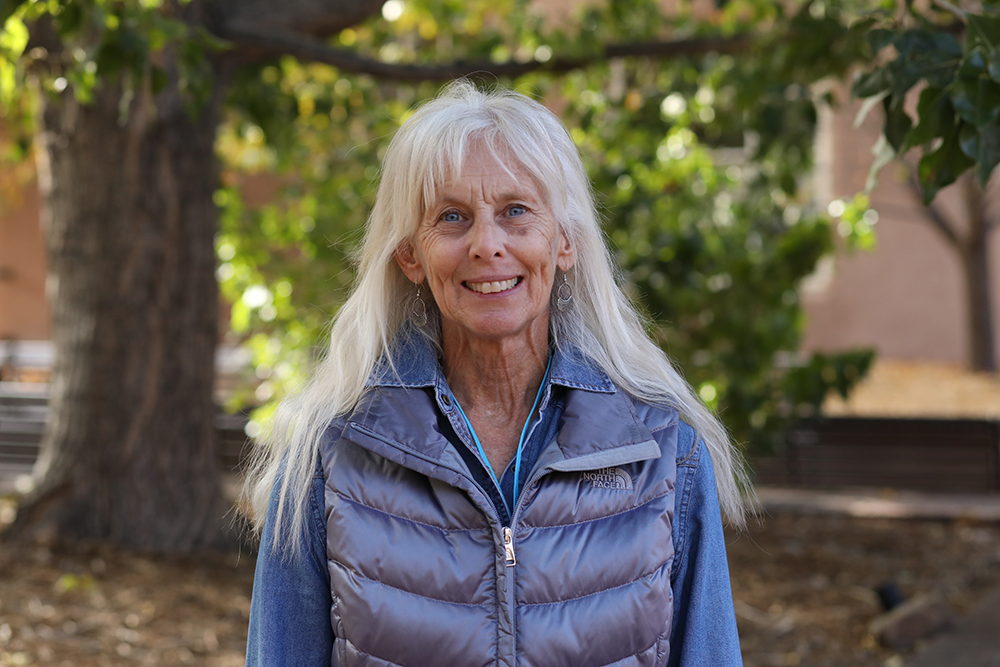

Leah comes to Quivira Coalition with over a decade of experience coordinating and managing nonprofit programs at the intersection of sustainable agriculture, environmental education, and community resiliency. After graduating from Bowdoin College with a B.A. in Anthropology and Environmental Studies, she spent five years working at an outdoor science school in California, helping kids build connections to the outdoors through ecology lessons and exploration. In addition to teaching outdoor ed, she’s also taught garden and cooking classes in the Bay Area, and English in northern Chile. More recently, Leah managed California’s Market Match program, one of the nation’s largest SNAP incentive programs. She helped lead the expansion of the program to over 260 farmers’ markets across the state, supporting small scale farmers, low-income families, and a stronger local food system in the process. Outside of work, Leah likes to spend time up in the mountains on long runs, learning about geology, or whipping up a batch of waffles in her kitchen.
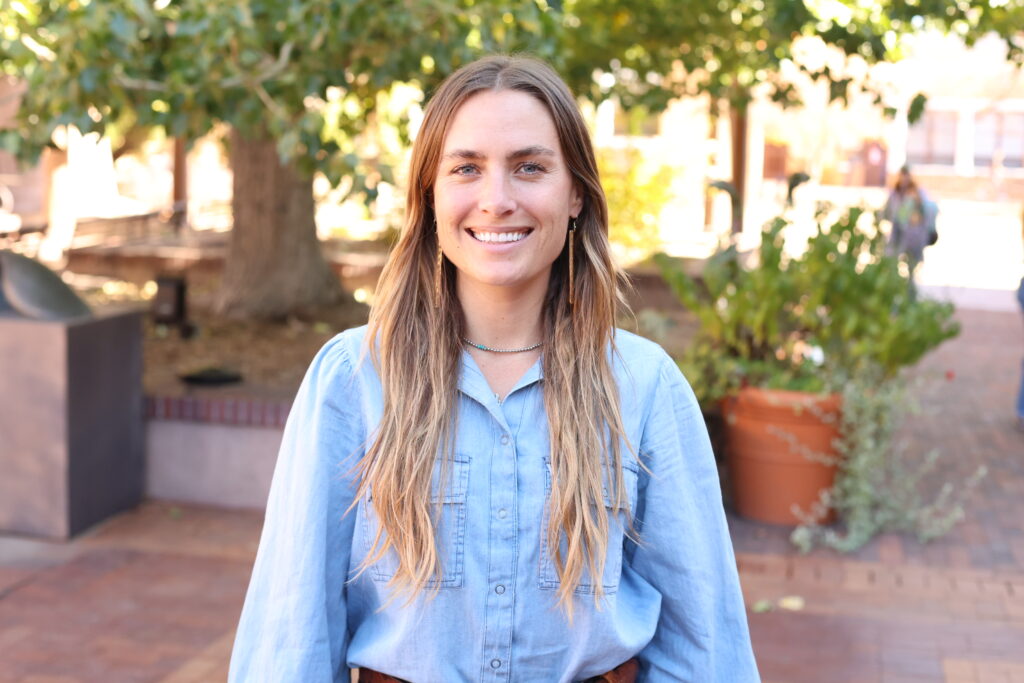
Mattie was raised in the Sawtooth Mountains outside of Stanley, Idaho and has had an interest in building relationships with the land and her food since an early age. Gardening, hunting, fly fishing, and foraging were all integral parts of her homeschool education. Her combined interest in ecological systems and food inspired her to study permaculture design at age 18, and continued through college where she helped develop a campus community garden before graduating with a B.A. in Environmental Studies-Geology from Whitman College. After school, she traveled and volunteered on farms across Southeast Asia before returning to the West, where she worked seasonally conducting field studies, wrangling for a hunting outfitter, and tending several small goat farms. In 2018, she moved to Bozeman, MT where she served two years as an Americorps VISTA at a non-profit food bank. Her work involved managing a small volunteer-powered farm that grew fresh food for their customers and creating a new community garden space where visitors can learn about the agricultural histories of the region, Indigenous food systems, and food forestry. When the COVID pandemic struck, she returned to Montana State University to learn more about the systemic barriers and opportunities for strengthening local and regional food systems and earned an M.S. in Sustainable Food Systems. She is excited to support the next generation of agrarians across the Northern Plains, and to continue connecting people with the land to create a more robust and resilient food system. She currently lives in a cabin outside of Bozeman with her cat, Luna. She likes to listen to live music, wander through the mountains, and work with her hands.