


About
the Ranch
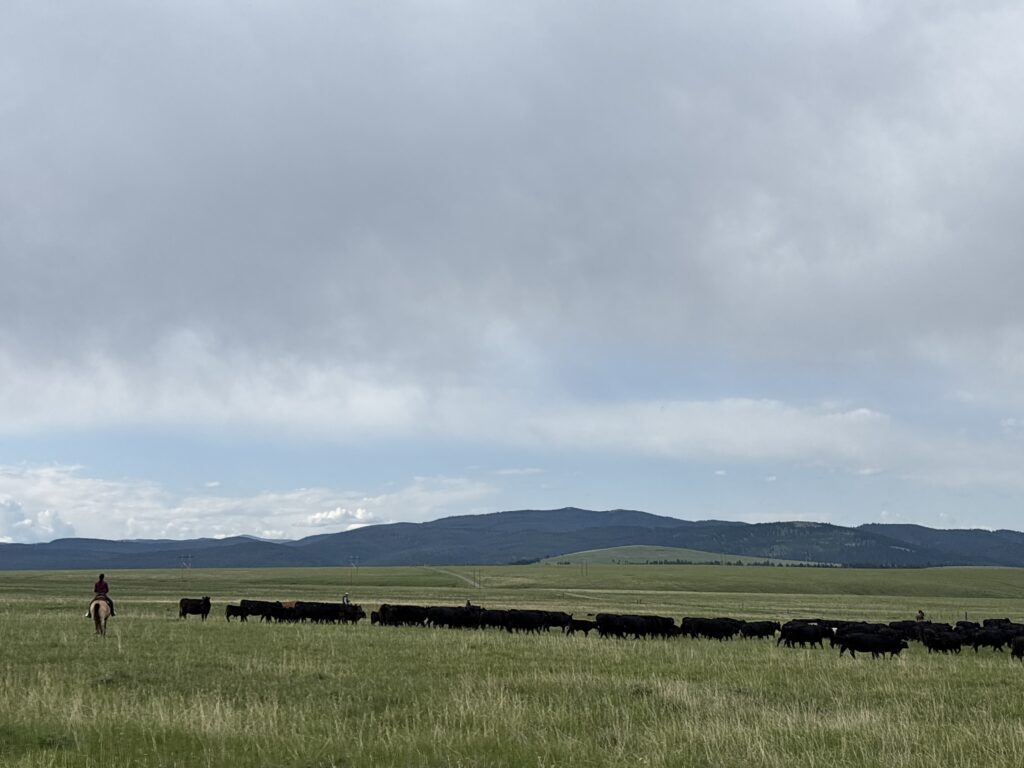
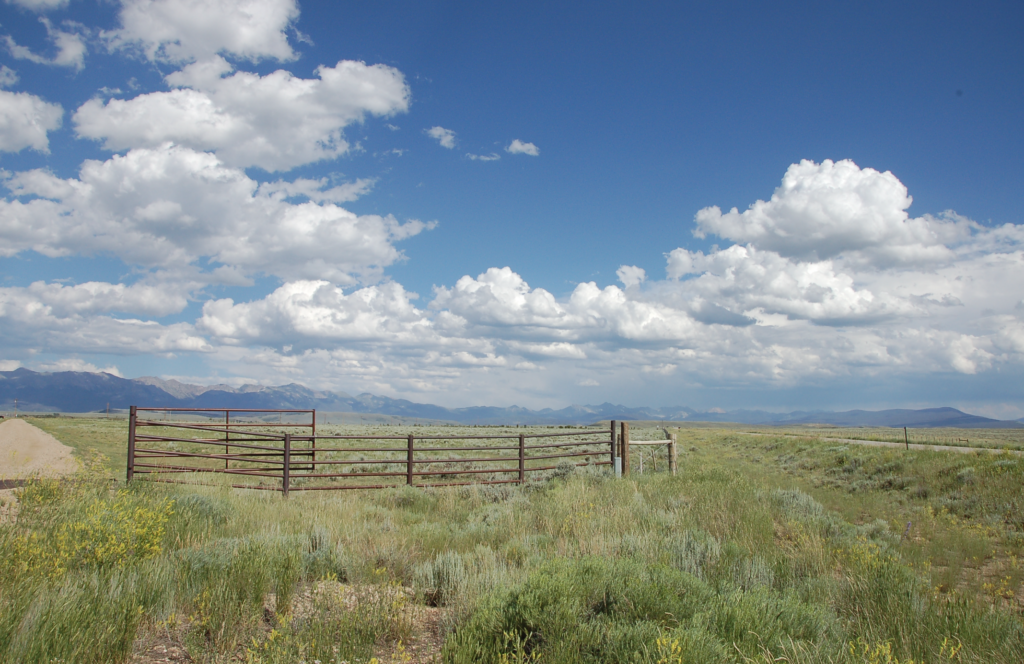
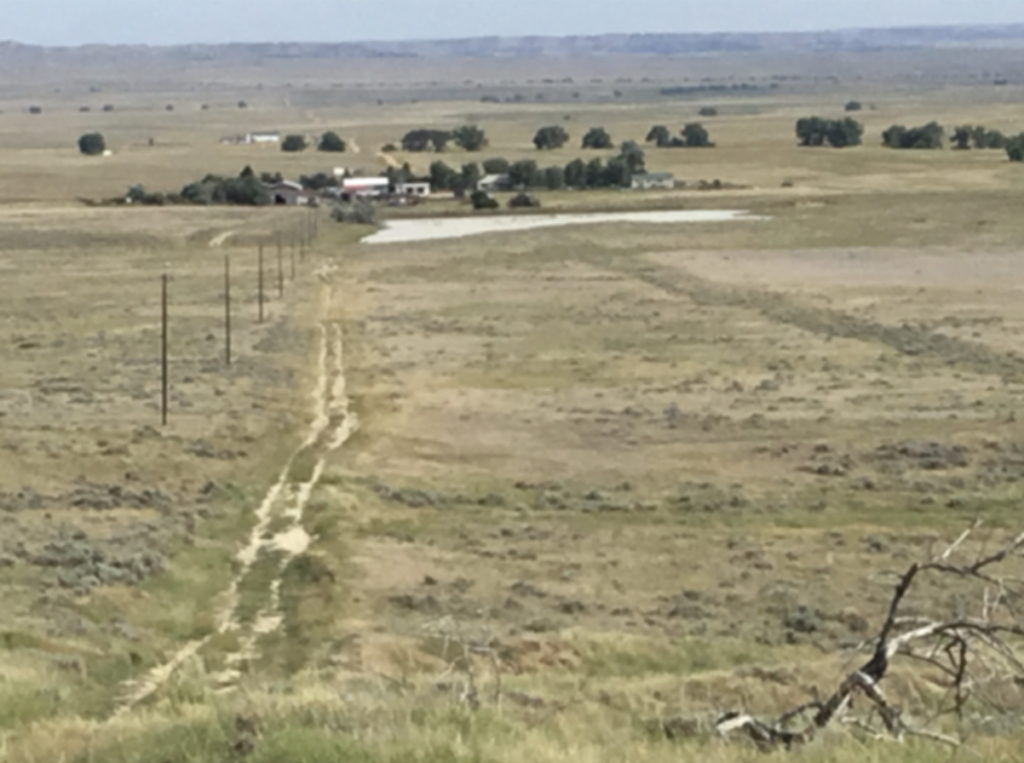
The Reed Ranch was established in 1947 and sits on the plains of east central Wyoming at the edge of the Thunder Basin National Grasslands. We are founding members of the Thunder Basin Grazing Prairie Ecosystem Association (TBGPEA), which works to help wildlife in a way that keeps ranchers interested in conservation on the land. Much research is done through this organization, on our land and with our cattle, to improve ranching.
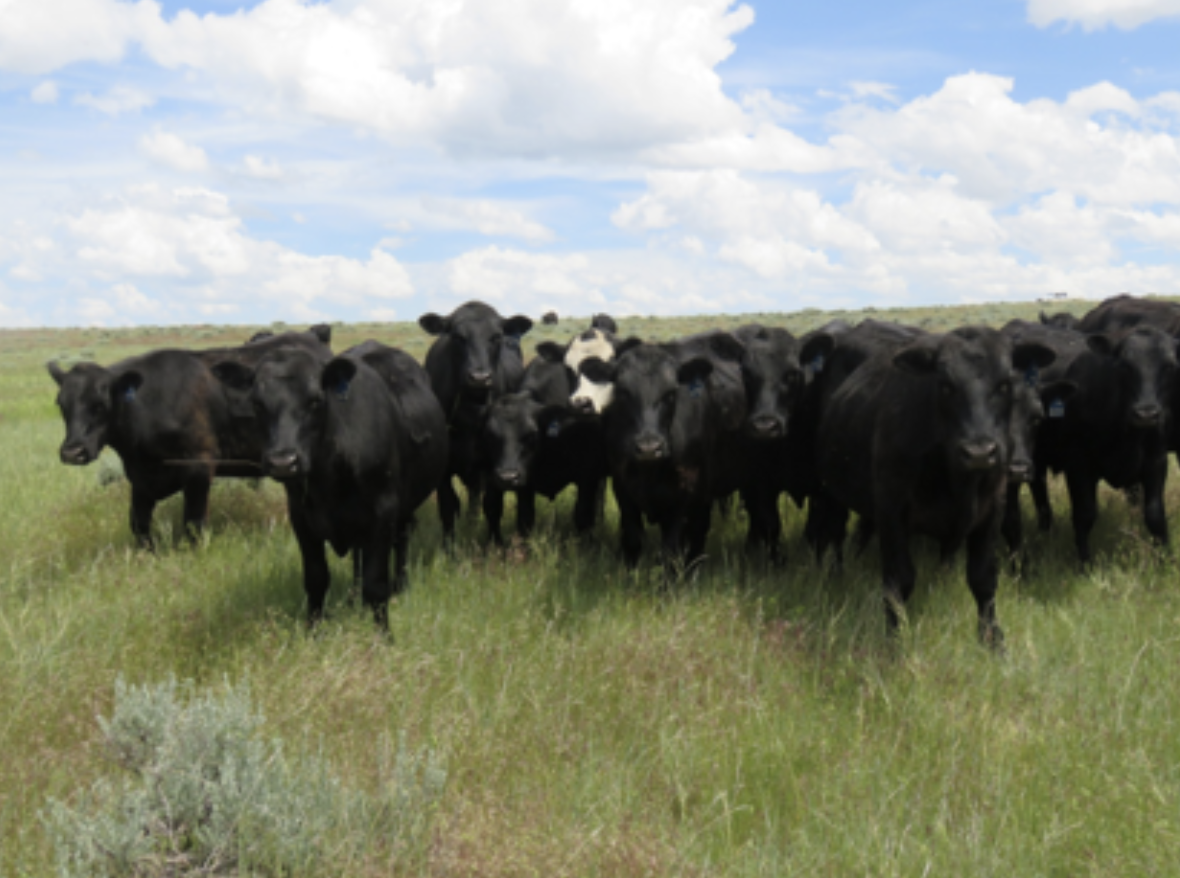
About half of our grazing is on federal land within Thunder Basin. We produce natural (no hormones, no antibiotics), 100% grass-fed beef on our Audubon-certified, bird-friendly ranch sold under the name Sagebrush Beef. This beef is sold through direct sales and co-op stores with monthly deliveries. Our conservation-minded management and grazing increase production and maintain healthy land that benefits livestock, wildlife (especially birds), and people. Our Sheep herd (800 ewes) are about 40% of our grazing and work load. We believe running different species together increases grazing capacity without damaging forage, because each species eats different grasses. With rotation, forage and cover are still left for wildlife. Most of what benefits livestock also benefits wildlife and birds.
Visit their website here.
More Story
The Ranch Year
- March: We turn our grazing plan into the Grazing Association in February. March is shearing set-up and shearing, feeding sheep and calves, checking cows, and getting ready for lambing.
- Mid-April to mid-May: Intensive four-week shed lambing begins April 15. Sheep pairs start leaving the barn for pasture around May 1.
- May 10 onward: Pasture calving begins and rolls directly after lambing. We take time out to gather cows from winter pasture and fit virtual fence collars. We are part of a research program on cheatgrass control, so the cows get rotational grazing while calving on a schedule.
- June/July: Checking and building fence, checking and maintaining water, checking and moving livestock, and starting weed control. We do some invasive weed control both manually and with chemicals.
- August: Sorting cow pairs into breeding bunches. Other projects.
- September: Cows come back together and go into more intensive grazing. Lambs are weaned and moved to the feedlot, and ewes are processed into culls and keepers.
- October: Some years this is a slower month.
- November: Sheep are prepped for breeding, and the rams go in on the 20th.
- Winter: Feeding sheep, checking cows, and other projects.
The cows graze all year and are not fed in a normal year. Our sheep are definitely more conventional: we feed them to flush the ewes for a higher rate of multiple births, which helps labor and feed costs even out for shed lambing. The ewes are on pasture except for about 14 days on average at lambing. We use livestock guardian dogs to help with predators.
Regenerative Practices
We run a medium-intensity grazing system with both cows and sheep. Depending on the time of year and herd size, we move livestock bunches anywhere from every 5 days to several weeks, using a combination of electric fence and virtual fence.
We have a yearly grazing plan that is set up initially and modified for weather, moisture, and other factors. This year, our second year of drought, we went several steps into our drought plan. We have added, and will keep adding, watering spots and electric fence to disperse livestock and aid rotation. In dry years, wells are left on after livestock leave for wildlife use and wildfire suppression, and our water tanks have wildlife escape ramps. We use several methods to work on headcuts, potholes, and bare ground. We believe caring for our land regeneratively benefits our livestock, wildlife, and family.
Tour
the Ranch
The Mentor
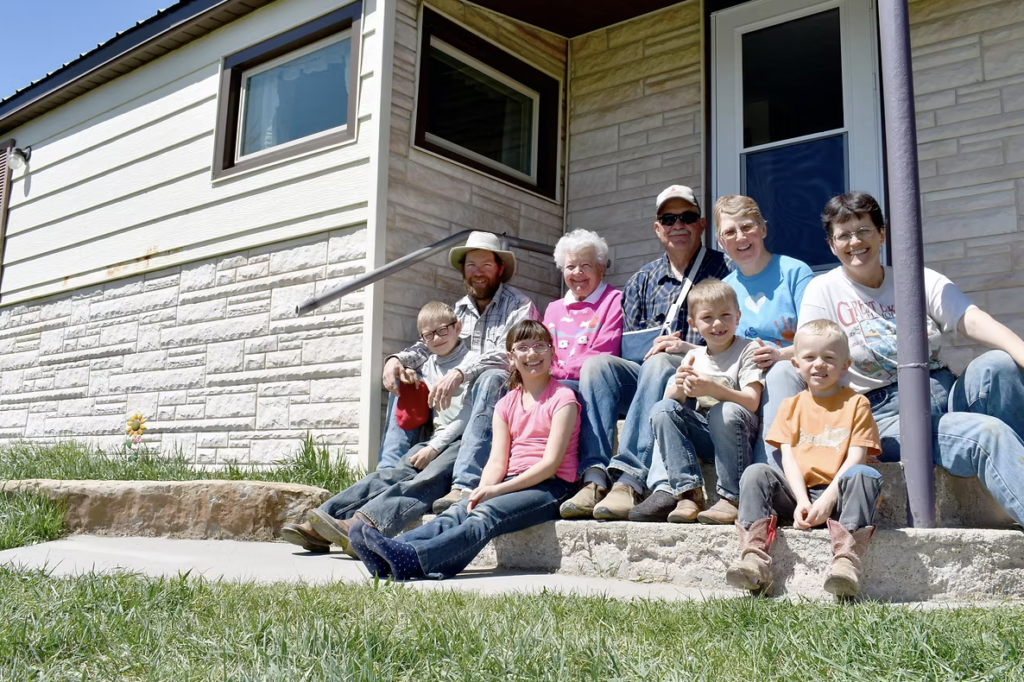
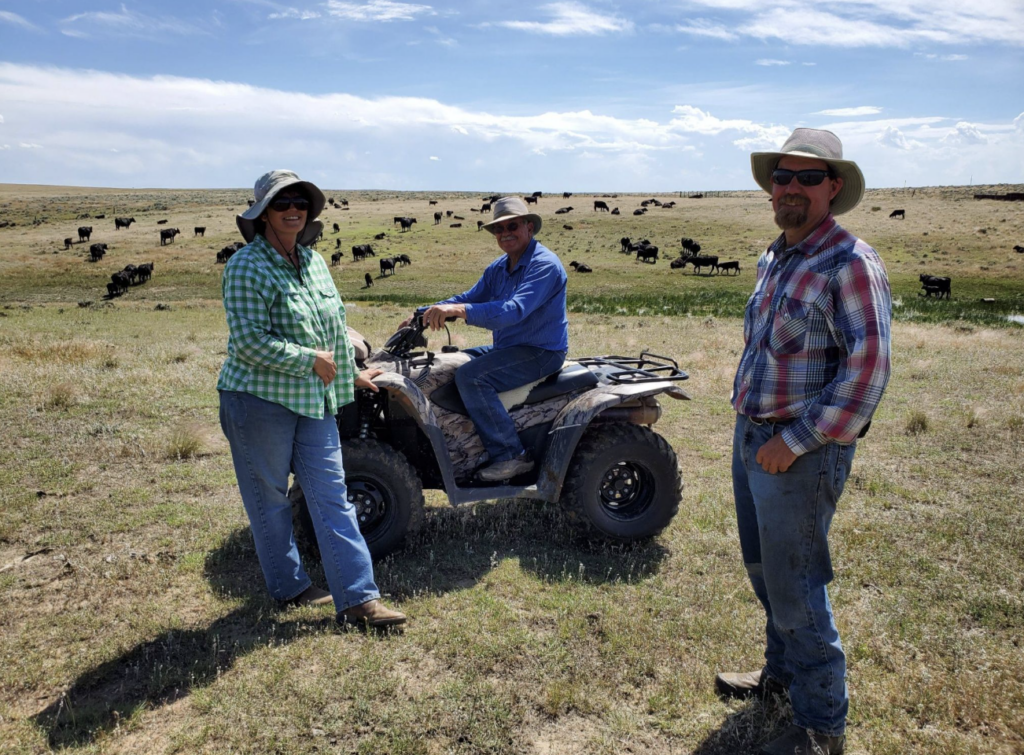
From Bev: I have been ranching since I married a rancher (Tom) in 1974. Tom was raised on this ranch, and his mother still lives here and shares her thoughts when asked. The ranch is a business, so what we do today affects the land tomorrow, and we try to improve something every year. We have improved water distribution, targeted grazing, invasive vegetation control, erosion control, and predator and pest management, and we have more projects planned. We are a family operation, so the apprentice would help where he or she is most needed or most comfortable. Our son Monte and daughter-in-law Tanya live on the ranch with their family and work side by side with us to maintain the “best life,” which for us is agriculture and loving where you work and live. Agriculture is a way of life that builds work ethic, integrity, teamwork, and appreciation for the natural world.
From Monte: I came back to the ranch 25 years ago, shortly after graduating from the University of Wyoming with a plant science degree. We have changed quite a bit since then, with rotational grazing, digitized record keeping, and calving with nature (May and June). I can definitely see the benefits of rotational grazing and the changes in the grass since we started in 2009. The biggest benefit has been the virtual fence system we have used for our cattle for the last 5 years on pastures where we cannot use electric fence. We started having interns from abroad in 2013, and others from the US in the last few years. As I tell any prospective employee, intern, or apprentice: if you are willing to listen and learn, I have no problem teaching you what I know.
Tom and Monte are our main day-to-day managers. Bev and Tanya help considerably and are the right-hand helpers, and the kids help a bunch too.
The Duties Of
The Apprentice
What will an apprentice do?
What skills and traits are required?
What skills will an apprentice acquire?
Nuts & Bolts
More Details
Living on the Ranch
Town Information
The closest town is Douglas, 45 miles away, with about 5,400 people and most of the amenities you would need: grocery, hardware, pharmacy, bars, churches, a library, and more. Walmart and other larger stores and restaurants are 90 miles away in Casper (pop. 58,000). Douglas hosts the Wyoming State Fair in August, and summer offers more social events around the county.
Our local community has 6 families spread over about 35 miles, and we go to church together. In summer there is weekly community volleyball for anyone interested. Each year the TBGPEA hires summer field workers, usually in their 20s, who do forage and bird monitoring. They live close to the ranch and so might be a social opportunity (they work different hours than we do). The apprentice is invited and able to take part in all community events.
The nearest airport is Casper International, 100 miles away. Denver International is 5 hours away.
Housing
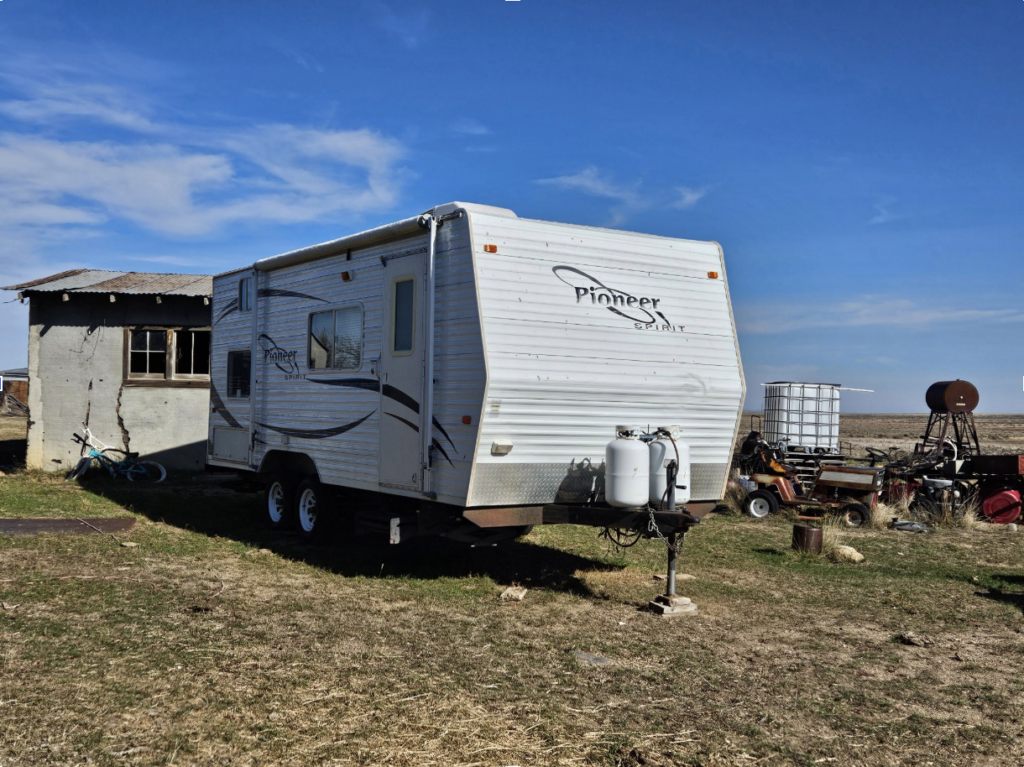
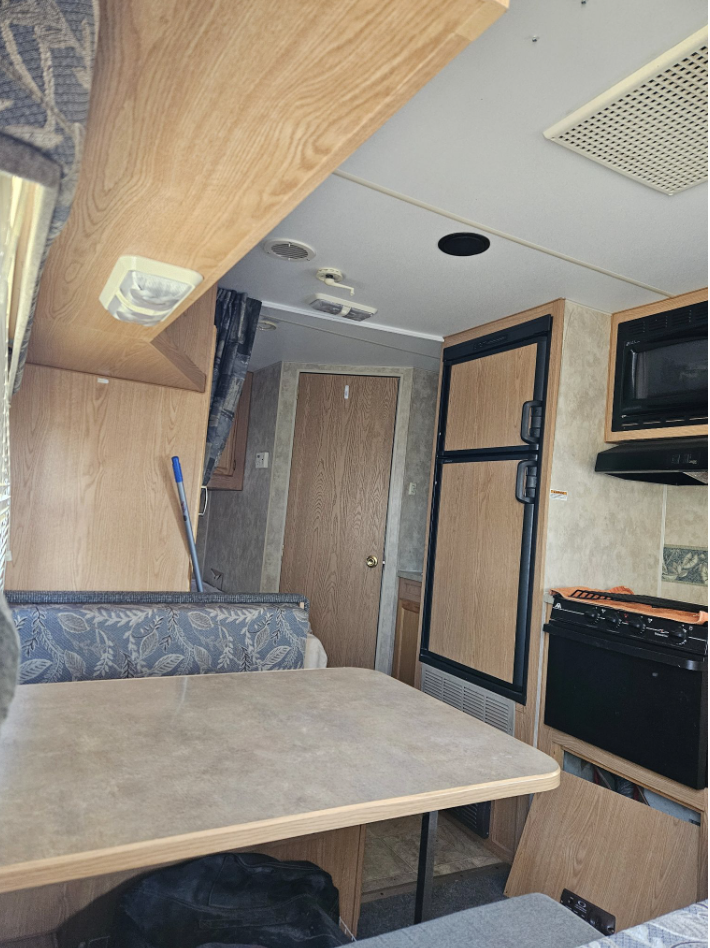
We would love it if the apprentice would stay with the family. There are separate rooms in the main home available to the apprentice. If that isn’t a good fit, we will have a camper near the main home. We believe true experience comes from being part of the mentor family.
Laundry
Laundry is done in the mentor’s home. A washer and dryer are available to the apprentice.
Internet Service
There is good Wi-Fi in the main houses and for some distance around the residences. There is no charge for using the ranch Wi-Fi. Use will be limited by the day’s activities and work, and we are a normal ranch where we usually go to bed before 11 pm. Wi-Fi is currently limited where the camper is planned to be parked.
Cell Service
We use two services: one family uses AT&T and the other uses Verizon. Each works in different areas, and together they usually cover much of the ranch. We use cell phones to communicate during the workday and when working away from the home area, often by text because of limited service (for example, when moving livestock or fencing). We don’t mind headphones, but it is important to stay aware of your surroundings and the people around you. One earbud is fine during some activities. We do have rattlesnakes.
Social media should be used on the apprentice’s own time. We appreciate the good vibes that can come from social media, and permission is needed before posting photos of the ranch.
Visitors
Visitors should not stay more than 2 days or nights unless okayed by the mentor. Families are encouraged to come see what is happening with their family members. The apprentice housing lends itself to limited visitors, though there is more room in the mentors’ home.
Food
We hope the apprentice will take most meals with the family (during lambing, we all eat at least lunch and supper together). Other arrangements can be made in certain circumstances, and some food will be provided if the apprentice prefers to eat alone. We don’t buy sodas, alcohol, or tobacco products.
Pets
Whether a personal pet or work animal is allowed depends on the animal, the accommodation it needs, and whether it can be tied. Basically, the rule has been no inside pets. Horse boarding is possible, but we currently do not work cattle with horses.
Drugs / Tobacco / Alcohol
We do not permit drugs at all, nor tobacco or alcohol during work hours. Because children live on the ranch and will be around the apprentice, use of alcohol or tobacco must be limited. Cleanliness is important in a ranching operation. We consider cannabis a drug and do not allow it on the ranch premises.
Firearms
We all like to shoot, whether hunting, competing, predator or pest control, or target practice. Safe handling of firearms is a must for everybody. An apprentice interested in bringing a firearm should discuss which one(s) with the mentor first.
Vehicle Info
Ranch Vehicles
We use ATVs and walking to move livestock. Our feed pickups have manual transmissions, so it helps to know how to drive one to feed livestock. We’d like the apprentice to be willing to learn if unfamiliar with manual transmission. Most other vehicles are automatic. Treat ranch vehicles as if they were your own, and report any accident or damage to a supervisor as soon as possible.
Personal Vehicles
Apprentice should provide their own vehicle for personal travel. (If an apprentice doesn’t have one, something can be worked out for ranch-related needs).
Work Hours / Time Off
Working Hours
We usually work 8 am to 5 or 6 pm, though hours vary by season. During lambing, schedules differ for each person: morning checks start at 6 am, the evening meal is at 6:30 pm, and after supper some people go back out to the barn and finish up as late as 10 or 11 pm. We split those hours among the people working. We work 5 to 6 days a week.Time Off
Sundays are a day of rest (except during lambing). At some points in the year, time off can be taken during the week if nothing is pressing. The apprentice will have at least one vacation day per month, which must be approved in advance.
Health Insurance
Explore
Apprentice Stories
Check out past apprentices and what they have to say about their experience.
- 2026 Apprentices, Frontier Ranch Management, Music Meadows Ranch, New Agrarian Blog