


About
the Ranch
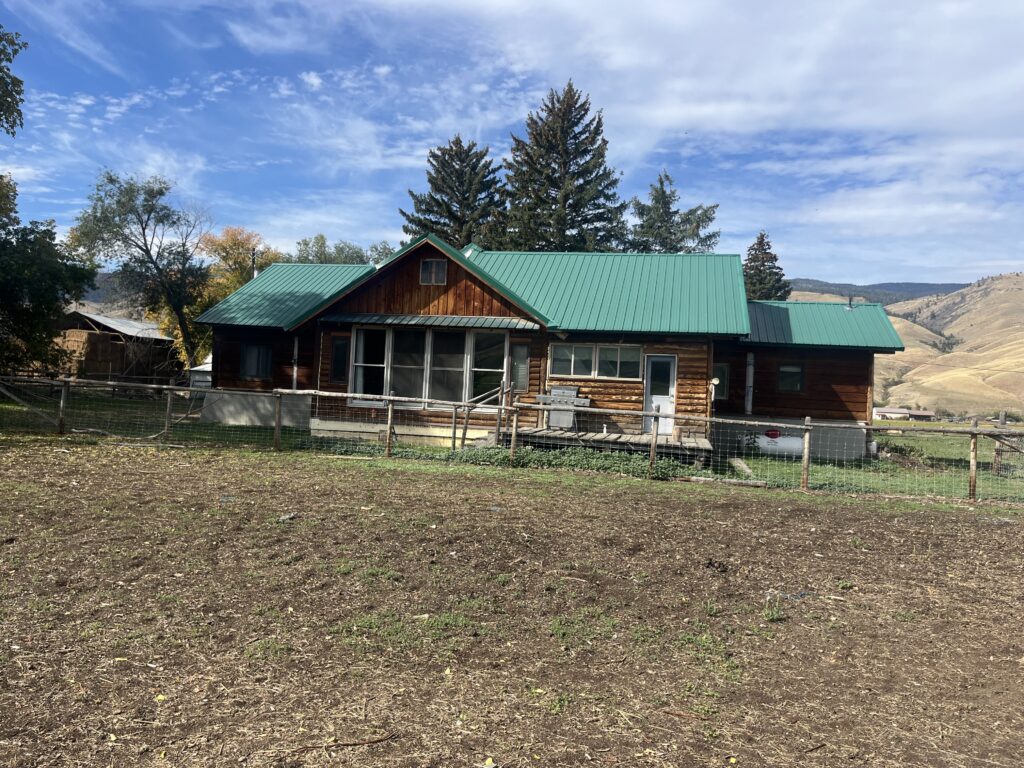
The J Lazy S Angus Ranch is a first-generation production with fourth-generation wisdom backing it. We are a family ranch, with a very strong sense of community. Working with our neighbors and helping other ranchers is a part of our everyday life. Children are not only welcome but enjoyed and encouraged to help. Ranch work is everyone’s job, meaning everyone does every task: We all have irrigation we take care of, we all help hay, we all work the cattle, and we all get to ride.
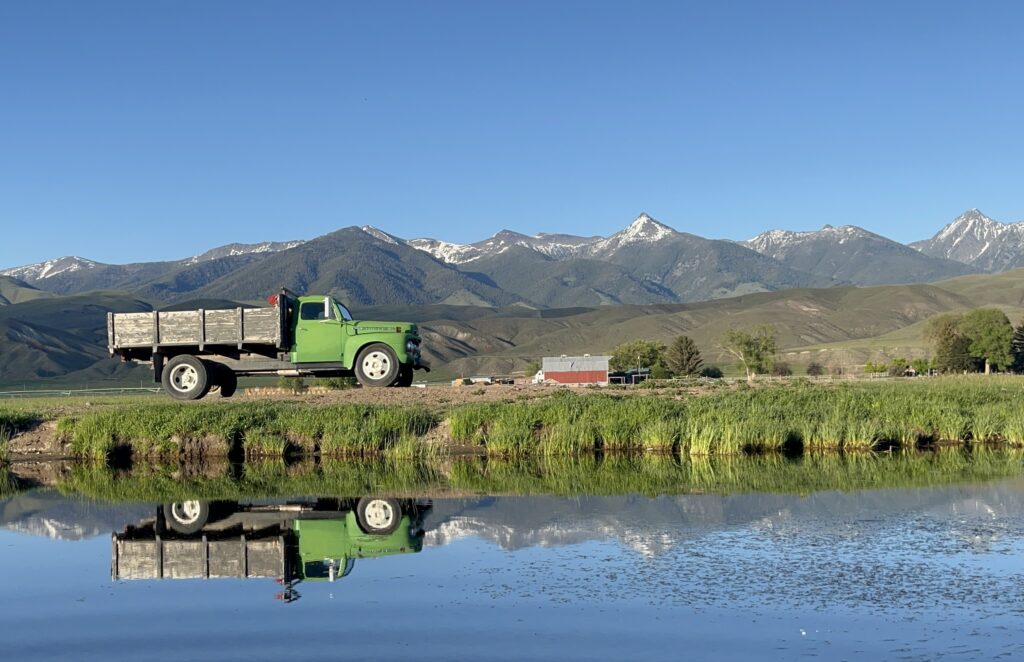
The ranch is nestled between two mountains on the river valley, with irrigated hay fields and pasture and mountain ranges. Irrigation types include flood, pipe, pods, and pivots. We grow grass, alfalfa and mix hay to feed all winter, so water is changed every day from April through October. We have around 100,000 acres of rangelands that vary from steep treeless hills to heavily forested mountains and meadows. We fall calve; cows go out to range in mid-May and come home to calve in late August. Calves are weaned in April and graze on the pastures. We monitor our range herds with Vence virtual fencing and move “pastures” as needed horseback to rotate the herd up the mountain and then back down.
More Story
We are committed to herd health. Working with our veterinarian fluidly on vaccination programs, maintaining and testing feed quality, and supplying ample minerals. Paying close attention to each animal and treating any injury or illness as soon as possible requires eyes on the cattle as much as possible.
Quality beef comes from quality land, we believe this is achieved through good stewardship practices.
The ranch also raises our own riding stock. We raise and train Morgan Quarter Horse crosses. We start foaling in April, halter break after weaning in October and normally have 2 to 3 three year olds to start riding every year.
Regenerative Practices
We rotational graze our fields, pastures and range but don’t strip graze. Letting the cattle free choice graze large areas, moving them off once the “goody” is grazed and leaving behind ample “litter” on all areas and then during non-growing seasons we feed on the fields and pastures in strips that move over the whole area day by day, allowing for the concentration of foot action and manure to be evenly applied.
Tour
the Ranch
The Mentor
Jay:
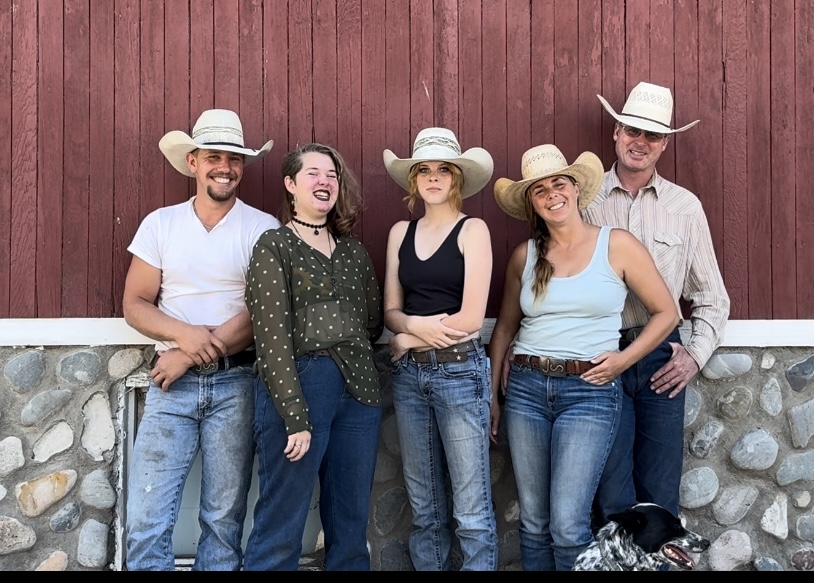
5th generation in Idaho, mostly from this area. He grew up helping on his uncle’s places and helping their neighbors. He started his own small herd about 30 years ago, purchased this ranch 20 years ago and built it into what it is today. He believes in a mix of tradition and technology, consistency, room for change and growth and that anyone can learn. His background of not having his own ranch, had him in the position of being an apprentice and so he puts tremendous value on the knowledge passed onto him and feels compelled to pass that gift along to anyone that wants to learn.
Chyenne:
I’m from Roundup, MT and have been riding horses my whole life. I’m from a custom construction background so I understand the value of hard work and project completion. I was Jay’s first apprentice and inadvertently “proved” to him that sometimes having zero knowledge of the subject or being a blank slate makes it easy to work with.
Overall we both believe in taking the time to do the job right, even if it takes all day. We like to emphasize that cow herds are not all the same so it’s important to really take in the way each rancher works with their herd and do it their way. We don’t mind answering questions, explaining and enjoy working things out with others, and we value and want new ideas and feedback.
The Duties Of
The Apprentice
What will an apprentice do?
What skills and traits are required?
What skills will an apprentice acquire?
Nuts & Bolts
More Details
Living on the Ranch
Town Information
The nearest town is Salmon, about 6 miles south of the ranch. It’s about 3000 people strong with a very large ranching community all around it. It has a decent sized grocery store, a very nice small grocery store, pharmacies, library, clothing stores, hardware stores, auto parts stores, a bowling alley, several nice restaurants, hosts several concerts at an outdoor venue and has many outdoor type adventure and hunting businesses. There are several community type events that happen through the Elks, Cattlemen and the town in general. There are several other young people employed by other ranches and in the community in general. We are members of the Elks, are very active in the state and local Cattlemen’s and anyone is welcome to join any community events.
Our closest airports are in Missoula MT (about 3 hours north) and Idaho Falls ID (about 3 hours south). Bozeman MT is a popular (affordable) option as well, it’s about 4 hours northeast. Larger airports would be Boise ID (about 5 hours) Salt Lake UT (about 6 hours) and Billings MT (about 8 hours). Salmon does have a small airstrip and there are flights from Boise here.
Housing
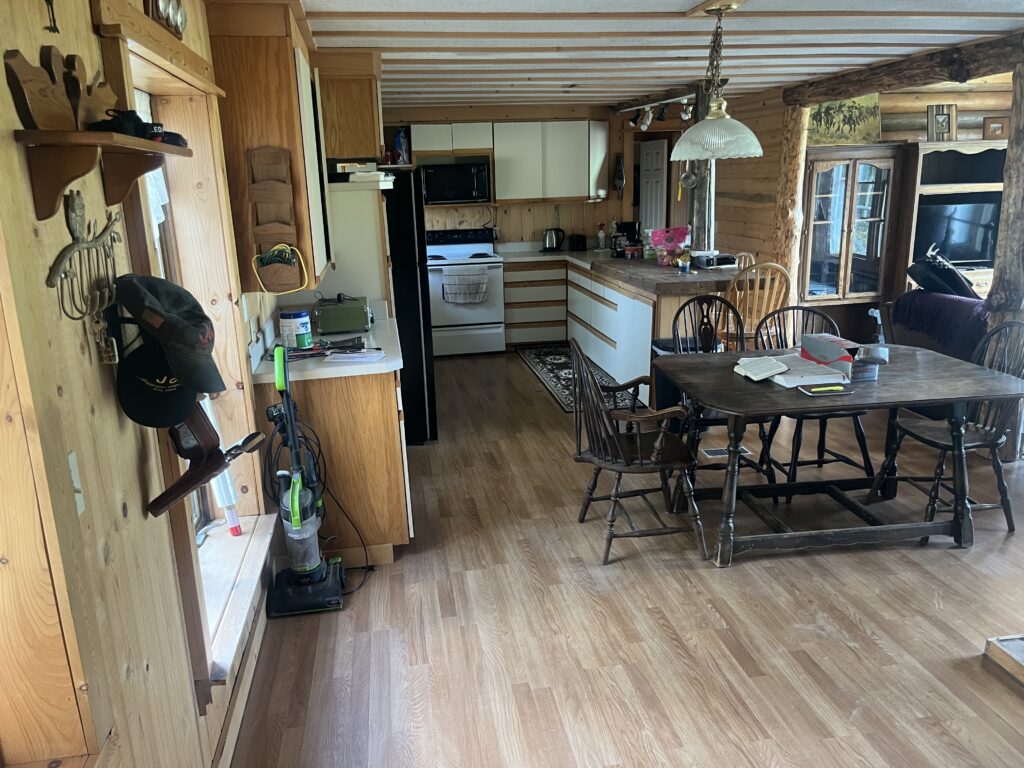
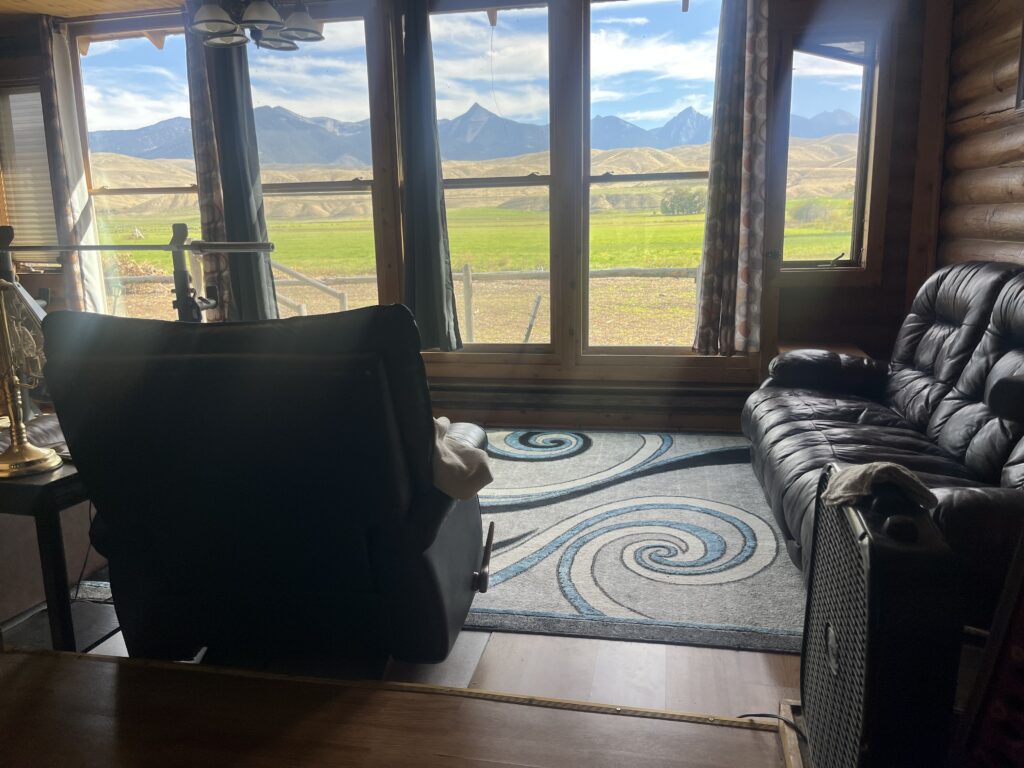
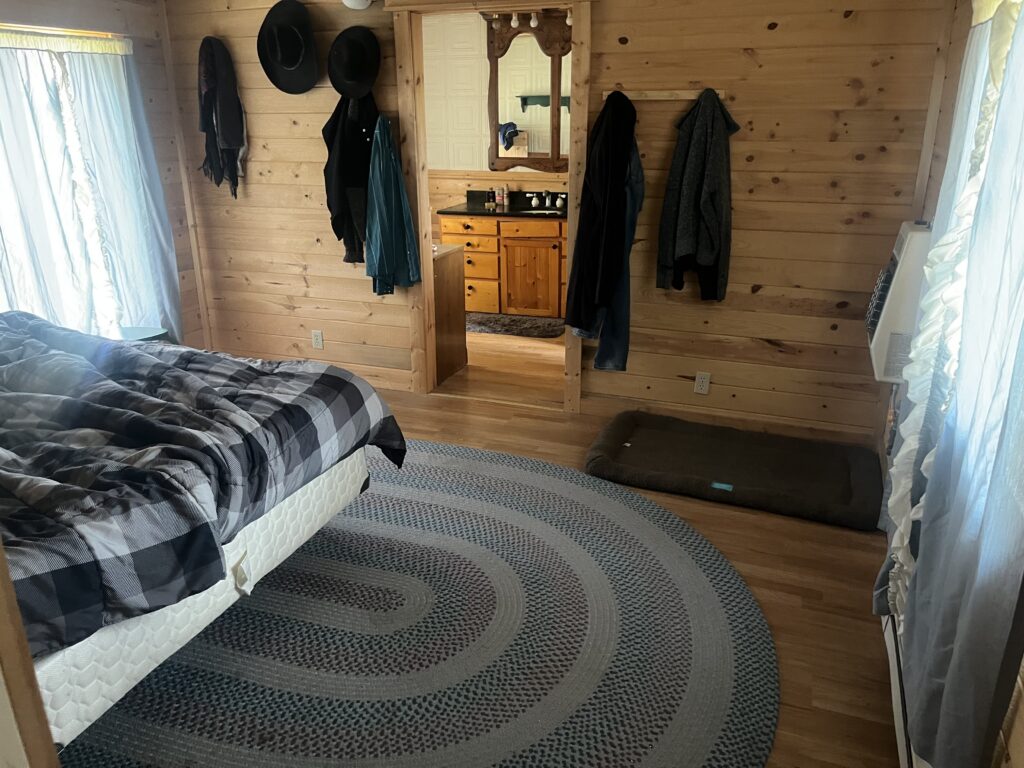
There is a 2 bedroom, 2 bathroom guest house on the home ranch. It has a decent sized kitchen with a stove and microwave, living room with a couch and chairs and a washer/dryer. It is wood stove heated but also has electrical and gas heat sources. There is local internet connection available.
Laundry
There is a washer and dryer in the house.
Internet Service
The ranch is hooked up to Custertell to the house, a contract can be added and a router will be provided by them.
Cell Service
Cell service here is adequate, mostly Verizon has the best quality, on the ranch. Service is spotty on the range. We carry and use our phones all the time so usage would be limited to not being on when working per safety and awareness.
Visitors
Visitors are welcome as long as it’s been discussed prior to their arrival.
Food
We will provide lunch and supper most days (excluding when we’re not here). There will be access to our meat freezer also.
Pets
Maybe: the house is fine to have a dog, cat, etc. as long as it’s properly picked up after; adding a working dog or horse would depend on the animal … ie we don’t want dangerous additions to our workload. An ample description of the animal and its capabilities will grant it a trial, but we would reserve the right to ask it to leave if it isn’t working out … ie if the horse isn’t working well in the herd dynamic we could put up a separate enclosure, but if it’s dangerous to be around that would be a no; if the dog isn’t listening it could be asked to not help, but if it’s causing problems it would have to be confined.
Drugs / Tobacco / Alcohol
Tobacco use is allowed, but no smoking while working. Alcohol is permitted, but being hungover the next day at work is a no-go. Cannabis is not legal in Idaho.
Firearms
Guns are allowed. Shooting only happens at the range or out on public lands unless we’re practicing and set up a shooting range.
Vehicle Info
Ranch Vehicles
Ranch vehicles are abundant, mostly trucks both automatic and stick. We can help teach to drive a stick as a bonus.
Personal Vehicles
A personal vehicle is required for the apprentice to get to the ranch and for any travel or errands they want to do on their days off.
Work Hours / Time Off
Working Hours
We generally work a 7 to 7 day, 7 in the evening being when we stop for supper. This can be modified by several hours in either direction to benefit whatever else is wanted to be done in that day. For example some like to go change water way earlier to free up the middle of the day and afternoon for riding, or ride in the morning and change water after supper.Time Off
We try to take a Sunday every week, sometimes that day isn’t actually Sunday but one day off the week is standard. Larger blocks of time off can be accommodated with appropriate planning.
Health Insurance
Explore
Apprentice Stories
Check out past apprentices and what they have to say about their experience.
- 2025 Apprentices, 2026 Apprentices, Elk River Livestock, New Agrarian Blog