




About
the Ranch
John & Debbie Humphries are co-owners of Hearth, Wind & Sol Farm (HW&S), consisting of 640 acres, mostly grazing land with a high tunnel hoophouse and outdoor garden beds near the house and barn. John also helps to manage his dad’s 25,000-acre Seven Up Seven Down Ranch (7u7d) that includes his great-grandparents’ 1910 homestead.
More Story
Hearth, Wind & Sol Farm includes 480 acres of grazing land on the east side of Riley Rd and 160 acres with the house, barn and high tunnel on the west side of Riley Rd. We purchased both properties in 2021. The 480-acre parcel had been owned by holistic management practitioner Joan Bybee for 8 years, and her stewardship resulted in significant improvements in forage quality and diversity. The 480-acre parcel is subdivided by high-tensile and temporary electric fencing into 8 paddocks, ranging in size from 45 acres to 70 acres.
The Seven Up Seven Down Ranch’s headquarters is located in the section where John’s great-grandparents homesteaded in 1910. Today the ranch, owned by John’s dad Leroy, consists of about 25,000 acres, of which almost 4,200 acres is a US Forest Service lease, another 2,000 acres of State leases, and 160 acres of BLM lease. Most of the ranch straddles NM Hwy 42, about 15 miles south of Willard, and is divided into 20 pastures.
In 2020, John’s dad purchased a 2,760-acre parcel south of Estancia (just 6 miles east of HW&S). The ranch has about 320 cows distributed among nine herds.”
Regenerative Practices
On the farming side, we minimize the use of chemicals, striving to be as close to organic as we can be. We have been amending our hard clay soil with our own composted horse manure. We are also striving to conserve our dwindling groundwater resource through the installation of multiple rainwater catchment systems and the use of drip irrigation. Debbie, who has a permaculture design certification, is excited about her expanding permaculture garden on the north side of the barn.
John, who completed five courses with HMI, has been working to incorporate adaptive grazing practices into the management of his dad’s cattle. John has primary responsibility for managing one of his dad’s herds (roughly 60 cows), which spends 4 to 6 weeks each year at HW&S and the rest of the year on a 2,760-acre portion of the ranch about 6 miles away. He has secured financial assistance through the NRCS Conservation Stewardship Program and through cost-share grants from the local Soil & Water Conservation District for the installation of more than 5 miles of cross-fencing (on both properties) and new water infrastructure to facilitate the introduction of adaptive multi-paddock grazing strategies.
We conduct annual biological monitoring, using a combination of techniques. In 2023, HMI received a grant from the Thornburg Foundation to assist John in doing more detailed and consistent monitoring and analysis. The monitoring results help shape the annual grazing plan that John maintains via spreadsheet.
These various experiments and monitoring results have been documented in a series of blog posts and case studies published by HMI, starting in October 2022.
Tour
the Ranch
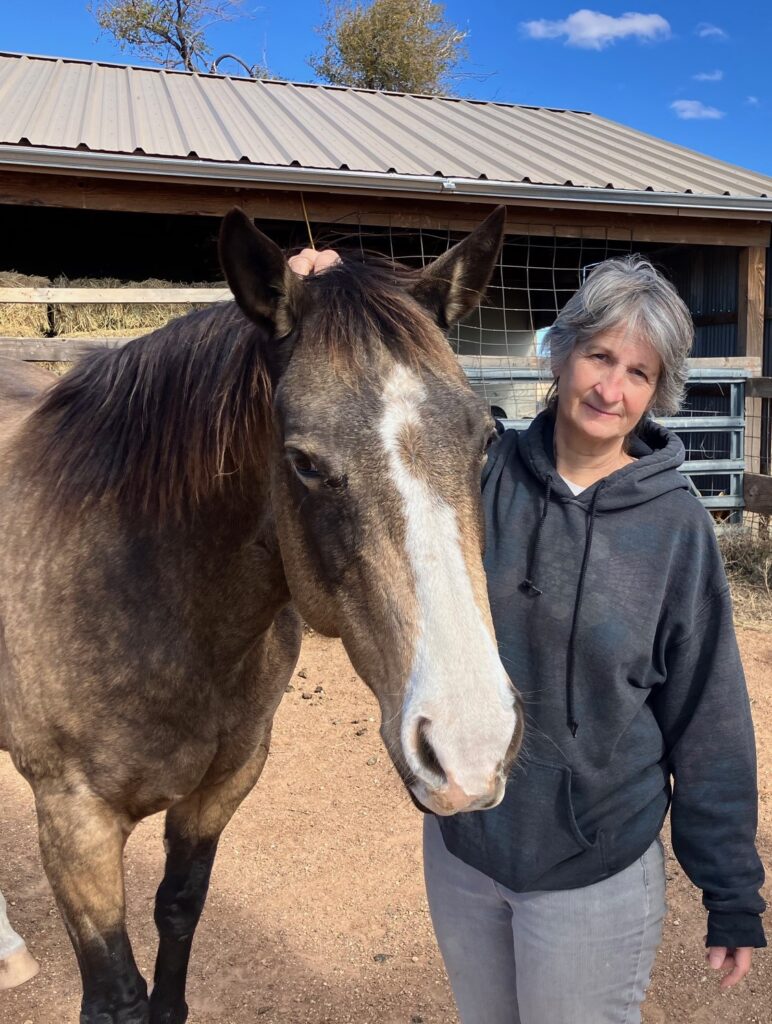
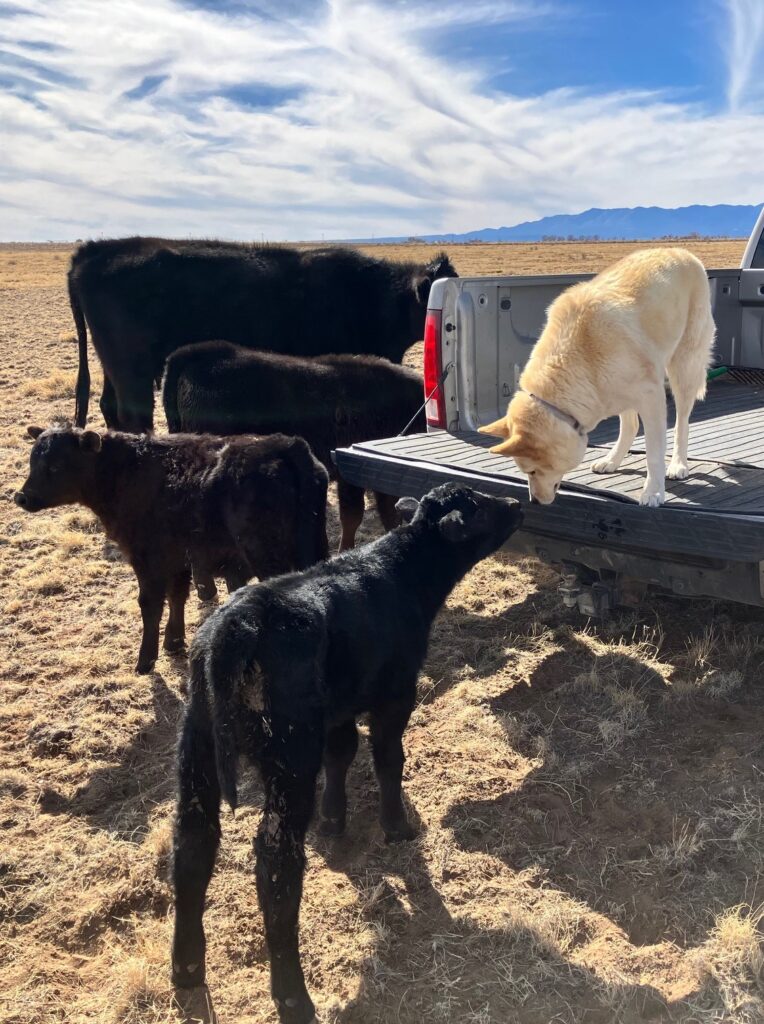





The Mentor
John & Debbie Humphries
John & Debbie Humphries established Hearth, Wind & Sol Farms in 2021 in New Mexico’s Estancia Valley, where John’s family has farmed and ranched for more than a century. With training in water resources engineering and economics, John’s early professional career was in international irrigation management. His subsequent twenty-five years of experience in nonprofit management, community organizing and advocacy encompassed local, state, regional and national campaigns on a variety of social justice, economic and environmental issues. From 2015 to 2020, he served on the Governor’s Council on Climate Change in Connecticut, and is currently a board member on the East Torrance Soil and Water Conservation District. Debbie is on faculty at the Yale School of Public Health, mentoring graduate students, teaching and conducting research. A decade ago, she earned a certificate in permaculture design, and she produces a great variety of baked goods, canned goods, and fermented concoctions like sourdough, kimchi and kombucha. John and Debbie are active in the Quaker community and have two grown children living in Massachussetts. They share the farm with their dog Magpie and 3 barn cats.
John has been visiting the family ranch and helping out since he was a kid but has never lived in NM until 2020. He has had increasing responsibility for helping to manage the ranch over the last 5 years. He notes that his great-grandparents were part of the generation of pinto bean farmers that helped create and then survived the dust bowl (largely through federal support programs that paid farmers/ranchers to leave the land fallow). His grandfather and father focused on using the grass in recovering pastures to maximize the production of cattle. John’s goal is to raise and manage cattle in ways that restore the productivity and diversity of the grass and the health of the soil. As a farmer, he loves watching the soil become richer each season while producing vegetables that are enjoyed by people who live in this community. One of the greatest joys of this life is sitting down to a delicious, healthy meal that consists almost entirely of food that was grown or grazed within a few hundred yards of the table.

The Duties Of
The Apprentice
What will an apprentice do?
- Feeding cattle through late spring; Installing/moving temporary electric fencing to create grazing paddocks – sometimes multiple moves per day; involves lots of walking, with some assistance from ATVs
- Branding calves in the spring
- Soil and forage monitoring to assess health and guide management decisions
- Help develop, implement and document grazing plans
- Help design and install erosion control infrastructure
- Bed preparation and planting seeds in spring and early summer
- Installing/managing/monitoring drip irrigation systems
- Harvesting, processing, packaging, canning and storing produce; Additional food preparation and production, as interested
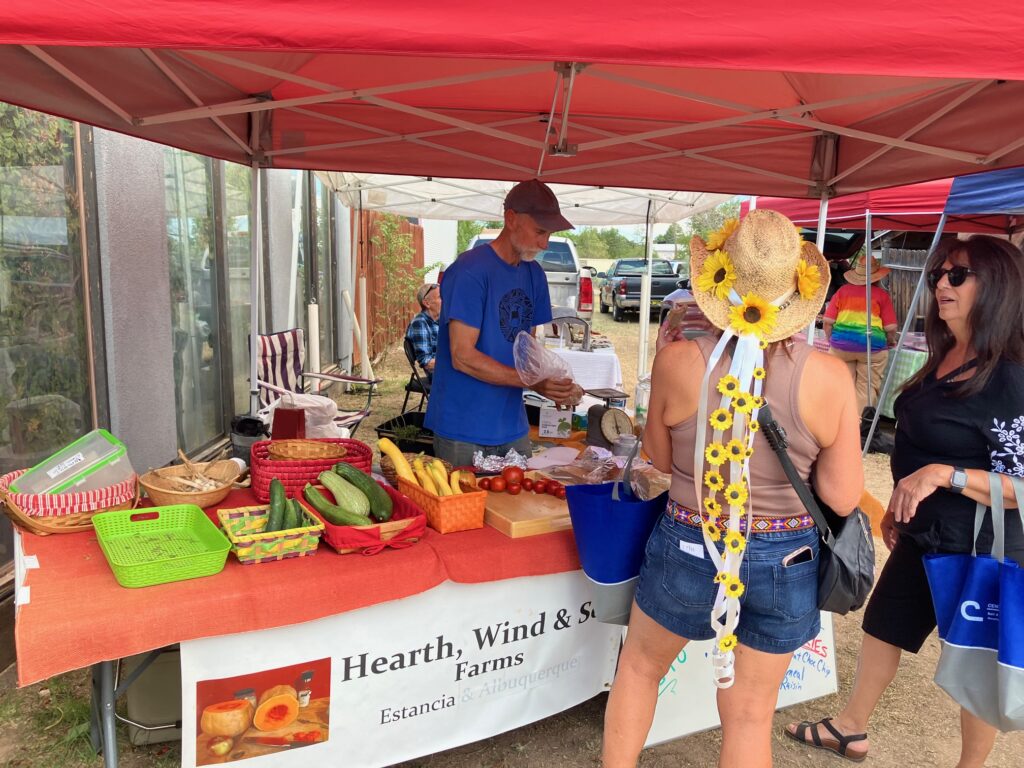
- Helping to prep and run farmers’ market sales (Saturday mornings, beginning mid-May; and perhaps an additional day if we decide to experiment with another market this year)
- We may be installing a rainwater catchment system on the high tunnel greenhouse this year
- Helping maintain/expand social media marketing strategies
- Possibility of helping to launch a direct-to-consumer beef sales operation
- Possibility of designing/implementing a pilot project using virtual fencing collars for one of the herds at 7U7D Ranch
What skills and traits are required?
- Sense of humor
- Love for and patience with animals – including frustratingly imperfect humans!
- Eagerness to learn
- Willingness to experiment with new approaches and then reflect upon and learn from both success and failure
- Ability to seek and take direction from mentor, but also to be self-directed and take initiative; and patience as we discover together the right balance between those two
- Attention to details: forgetting to close a gate or turn on/off a water spigot can have serious consequences
- Good follow-through: if you accept responsibility for a task, either complete it or communicate why you are unable to do so
- Good general communication skills – if you’re not going to be on time or if you have concerns – about anything, make sure you communicate that effectively to mentor
- Appreciation for the quiet, beautiful spaces we live and work in – not needing to have every minute filled with music or conversation, and pausing to pick up a piece of trash or rusting metal
- Enough physical strength to lift/stack 50-lb bags of feed or bales of hay; enough stamina to walk several miles each day in the summer heat
What skills will an apprentice acquire?
Nuts & Bolts
More Details
Living on the Ranch
Town Information
Both work and housing locations are roughly equidistant from Mountainair (to the south; population 900) and Estancia (to the east, population 1300). Mountainair, with a substantial population of “transplants” – including artists and retirees, has more services, including a small grocery store & deli, a café and restaurant, a pharmacy, a small hotel and a couple of motels, as well as art galleries. Estancia is the county seat, with various county offices and a couple of restaurants. Both towns have post offices, laundromats, churches, auto parts stores, dollar stores, hardware/feed stores, medical clinics and public libraries. Mountainair also has a National Park Service Visitors’ Center for the nearby Salinas Pueblo Missions National Monument. The nearest city with a larger selection of stores and services (e.g. chain grocery store and Walmart) is Edgewood, about 45 minutes to the north. Albuquerque is about an hour’s drive to the northwest, and Santa Fe is about 90 minutes to the north.
Housing
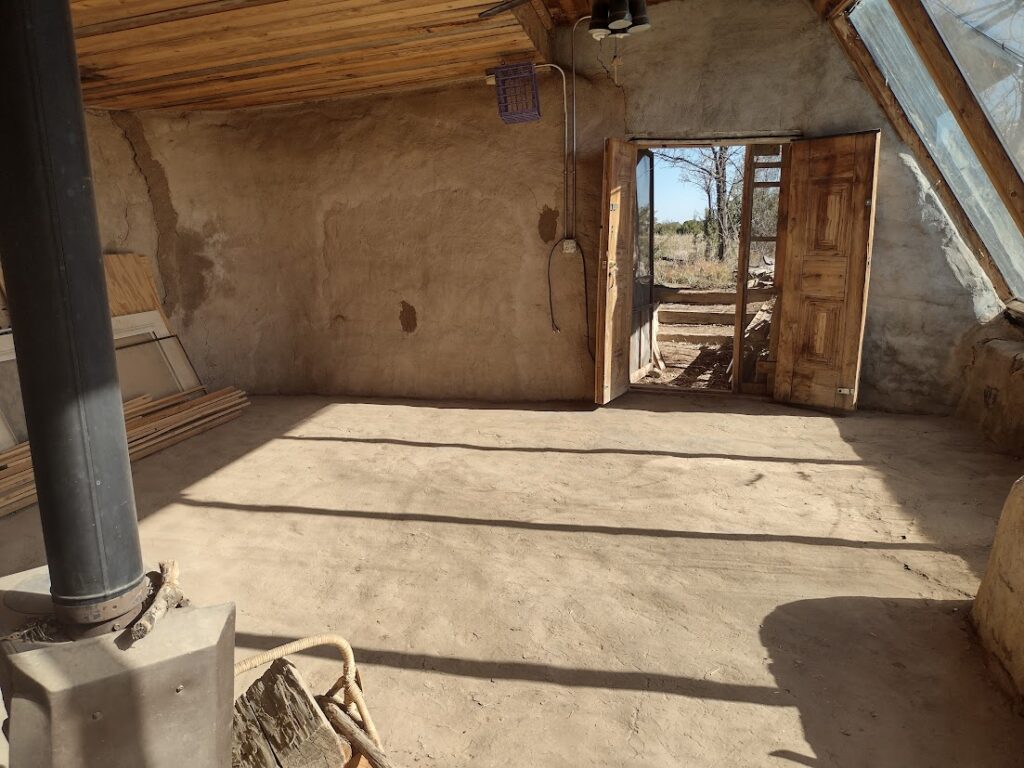
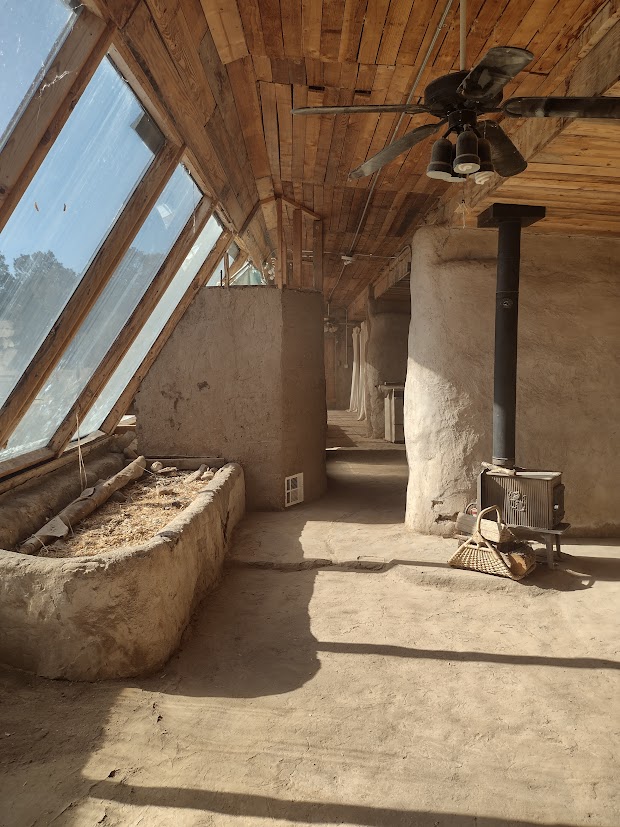
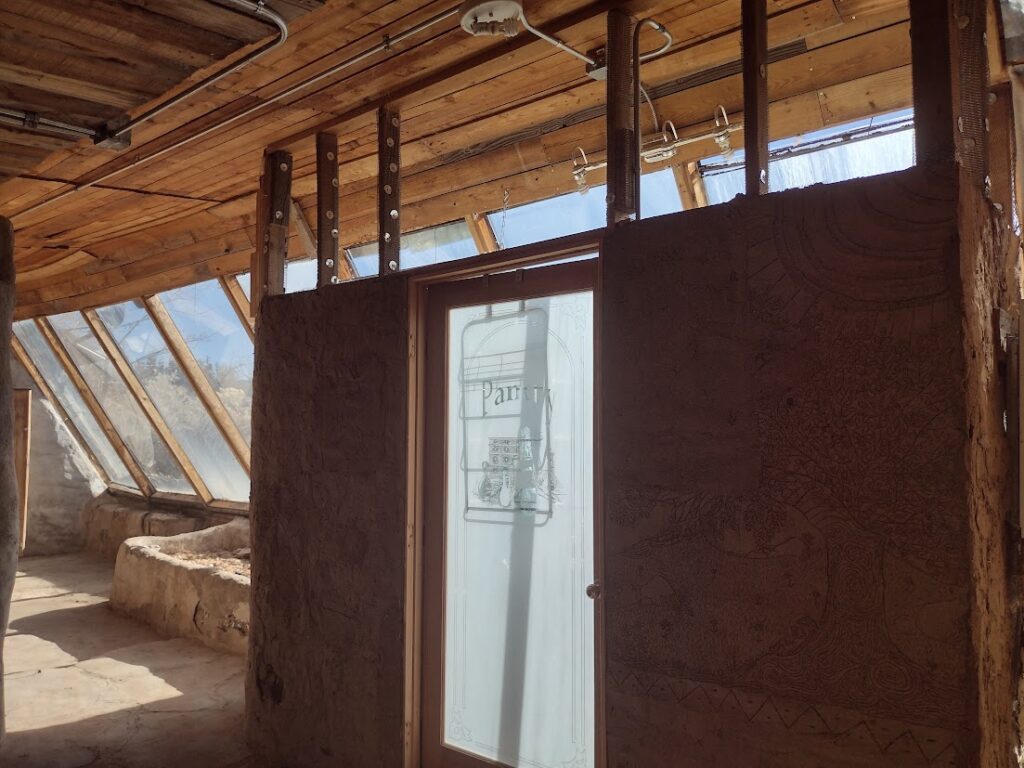
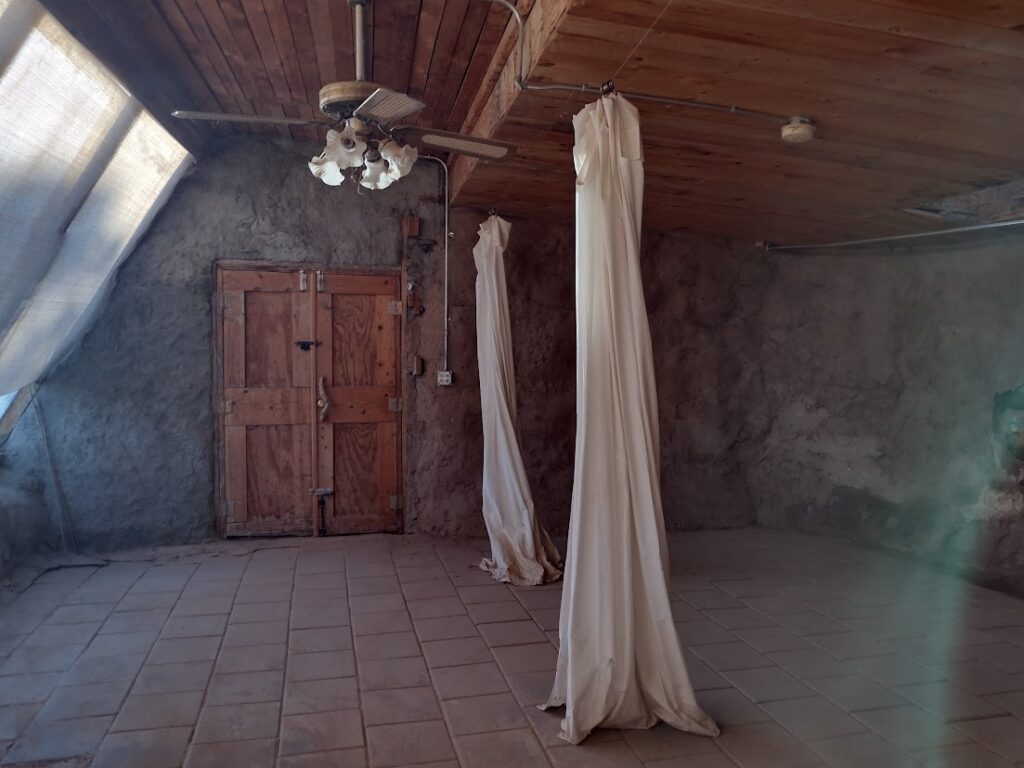
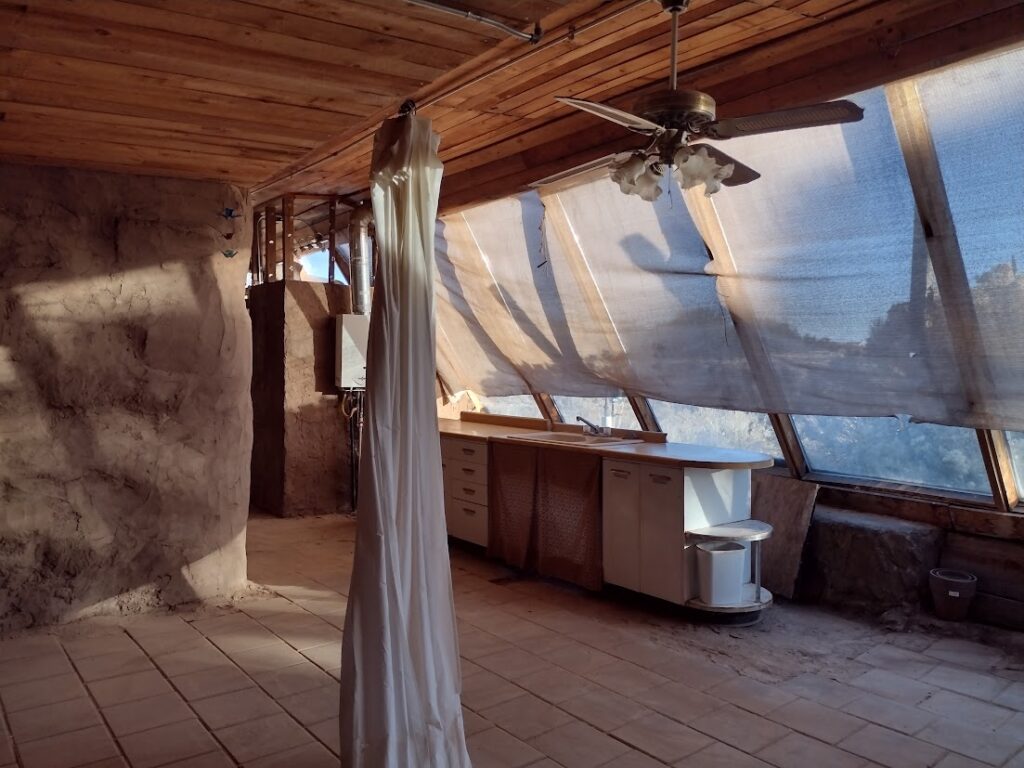
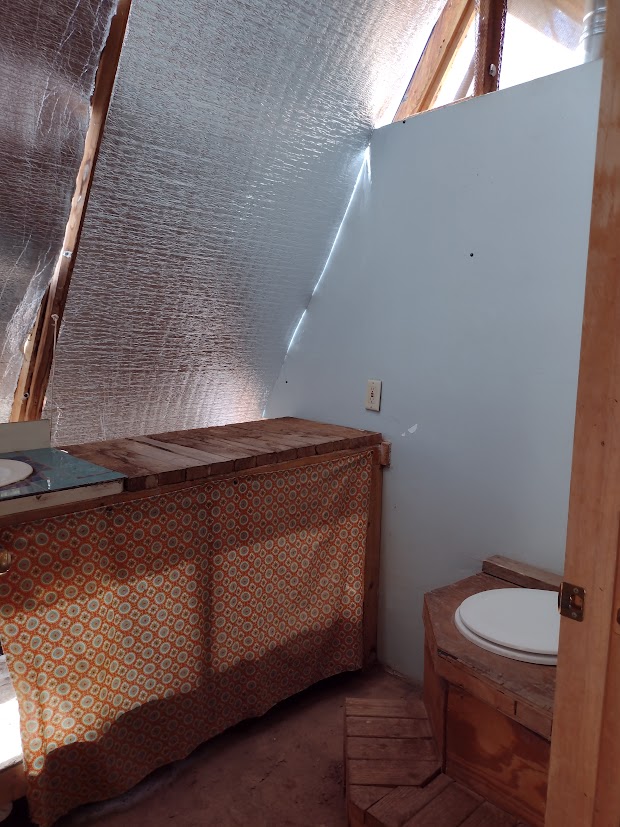
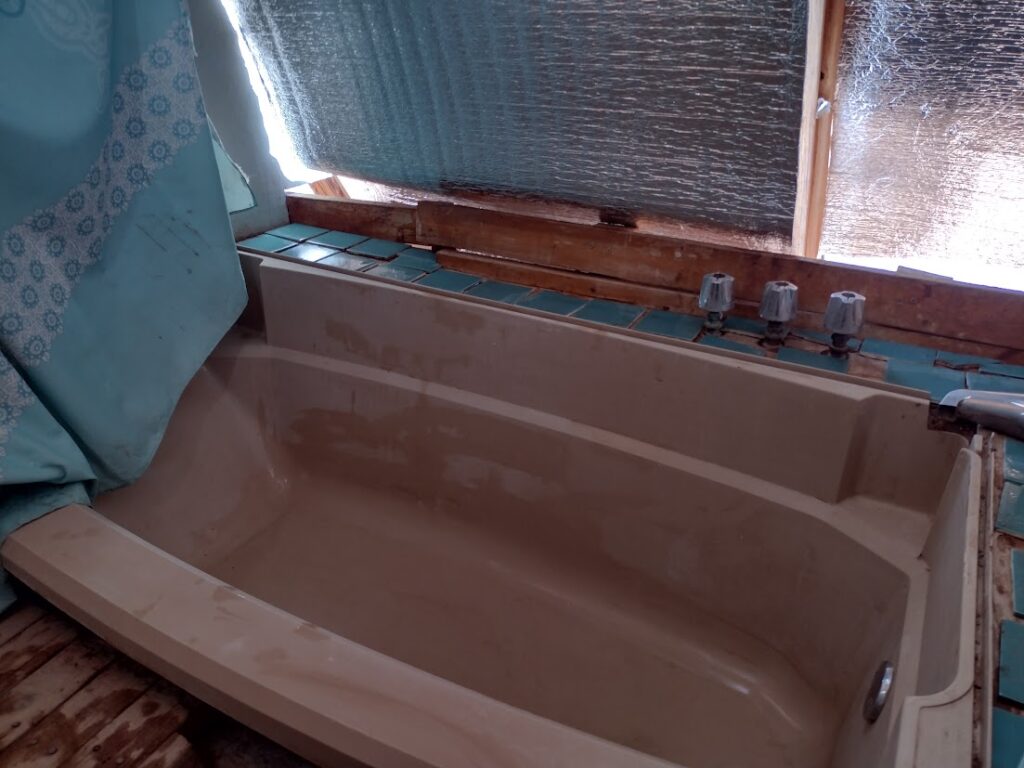
The housing at the 80-acre Happy Goat Lucky Farm is a 900 sq-ft earthship/tirehouse that has a photovoltaic system for electricity (for refrigerator, lights, and electronics with small energy needs – so no electric heating or cooling appliances), woodburning stove and passive solar for heat, and propane for a cook stove and on-demand water heater. There is a composting toilet and grey water system for bathing (no septic). Floors are a combination of pavers, hardened earth, and cement. Dogs are allowed but must be under supervision at all times as there is livestock on the property. Cats are allowed but must be kept indoors at all times unless on a leash or contained in some fashion. Cell service is best with AT&T; T-Mobile is also functional. Internet/WiFi will be available via mobile hotspot. The property is located just west of Tajique, about 15 minutes from HW&S Farm and about 2 miles from the Cibola National Forest with access to hiking and horseback trails in the Manzano Mountains. Any smoking/vaping on the property must be done inside the apprentice’s vehicle. Drugs and alcohol are permitted to the legal extent of the law.
Laundry
Apprentice can use washer & dryer (or clothesline!) at John & Debbie’s house at HW&S. Laundromats are also available in Estancia and Mountainair.
Internet Service
Limited internet will be available via mobile hotspot at the housing location. Good internet service at John & Debbie’s house via Starlink, and the apprentice will be able to use their WiFi when needed. We can negotiate times when the apprentice can relax inside the house to use the WiFi, and the WiFi is also accessible from the porch and from a camper in the driveway, where the intern could comfortably hang out in the evenings or participate in online meetings. Internet also available at various cafes/restaurants and libraries in both Estancia and Mountainair. The Estancia library is a particularly beautiful and pleasant work space.
Cell Service
AT&T and T-Mobile seem to be the best carriers for this area, but even those may have weak signal inside the earthship at Happy Goat Lucky Farm. Sprint and Verizon can have very spotty coverage in the Estancia Valley. We use cell phones for communication throughout the day. Apprentice should seek to limit personal/recreational use of cell phone during work hours. Apprentice can use headphones when working alone, as long as they can maintain awareness of their surroundings and respond to incoming calls or verbal shouts. And… we encourage the apprentice to have/develop a deep appreciation for the quiet spaces we live and work in by spending time “unplugged”.
Visitors
Apprentices can have visitors for up to 2 weeks at a time with possible longer periods negotiated with the landlord.
Food
We will welcome the opportunity to have the apprentice join us for some meals. We would anticipate agreeing on a schedule of shared meals multiple evenings each week, depending on our respective commitments. We will often eat lunch together, whether out in the pasture or taking a break from the garden, but the apprentice should plan on packing a lunch most days. And the apprentice can anticipate large quantities of “pick-your-own” produce – whatever happens to be ready for harvest! – after consultation with John to ensure it doesn’t negatively impact what will be available for sale. Fresh eggs and frozen beef will likely be available at reduced prices.
Pets
As outlined in the housing description, dogs and cats would be acceptable at Happy Goat Lucky Farm, with restrictions. Similarly, a dog could accompany the apprentice to work, as long as it doesn’t distract the apprentice from the work or interfere with the handling of livestock. AND… we will have to be intentional about introducing a new dog to our farm dog, Magpie. Magpie is an “only child”, who loves people but often not other dogs, so it may take some patience and effort to achieve a state of harmony. But we’re willing to work together on that. We board two horses that belong to Debbie’s sister. One of the horses suffers from arthritis, so we don’t ride her. We ride the other horse occasionally for recreation, and the apprentice could have that privilege, depending on experience and skill. We are not able to provide horsemanship training. If the apprentice has their own horse, it could share the pasture with our horses or it could be kept at Happy Goat Lucky Farm, as long as the apprentice is prepared to help with the moving of electric fencing to ensure rotational grazing.
Drugs / Tobacco / Alcohol
We do not use any tobacco or drugs. We can’t foresee any circumstances under which it would be appropriate for the apprentice to use/consume cannabis (or any other drugs) on the farm or ranch – even outside working hours. Tobacco use on the farm or ranch is discouraged, but not “prohibited.” No smoking/vaping indoors or in any area where other people or animals will be impacted. And all cigarette butts must be appropriately disposed of. We do occasionally consume alcohol, and it would be acceptable for the apprentice to consume alcohol (in moderation) after work hours (e.g. during shared meals or if using the WiFi in the evening), but not during lunchtime.
Firearms
No firearms of any kind at work or housing property.
Vehicle Info
Ranch Vehicles
We will likely be able to provide a pickup for use during work hours. Unless agreed upon in specific circumstances, the apprentice would be expected to use their personal vehicle to commute from Happy Goat Lucky Farm. We use ATVs for some operations (e.g. checking on cattle, moving fences). We use a tractor or skid steer for some tasks, and the apprentice may have opportunity to use them, if interested and prepared to follow safety protocols. If the apprentice witnesses damage or accidentally inflicts damage to ranch vehicles (or structures), they are required to notify a supervisor ASAP.
Personal Vehicles
Apprentices will require a personal vehicle for their own travel and errands.
Work Hours / Time Off
Working Hours
Apprentices will generally work 9 hours per day (roughly 8am-5pm or 9am-6pm), including a break for lunch. Once the farmers’ market begins (mid-May), we will generally work 7am to 2pm on Saturdays. Sundays will consistently be a day off, with additional days (or partial days) off to be negotiated, depending on whether this will be a ¾-time or full-time position.Time Off
Sundays will consistently be a day off, with additional days (or partial days) off to be negotiated, depending on whether this will be a ¾-time or full-time position. Apprentices will also get major holidays, e.g. Memorial Day, July 4th, Labor Day. Additional unpaid personal leave may be requested at least two weeks in advance.
Health Insurance
Explore
Apprentice Stories
Check out past apprentices and what they have to say about their experience.
- 2026 Apprentices, Frontier Ranch Management, Music Meadows Ranch, New Agrarian Blog