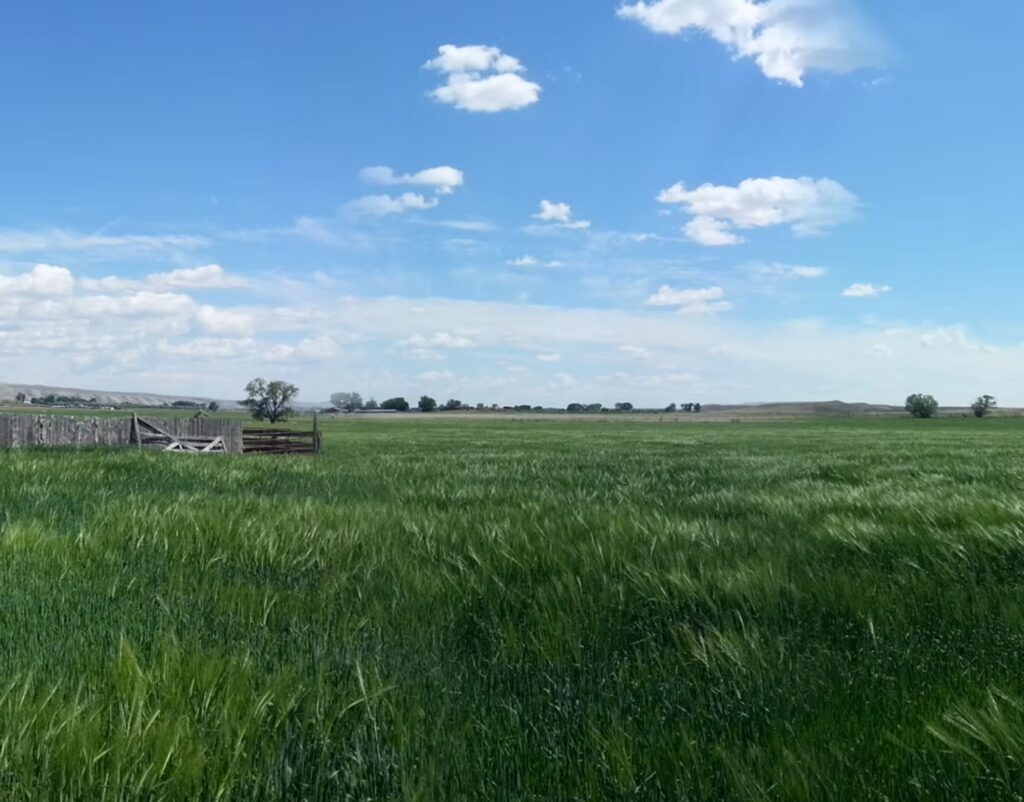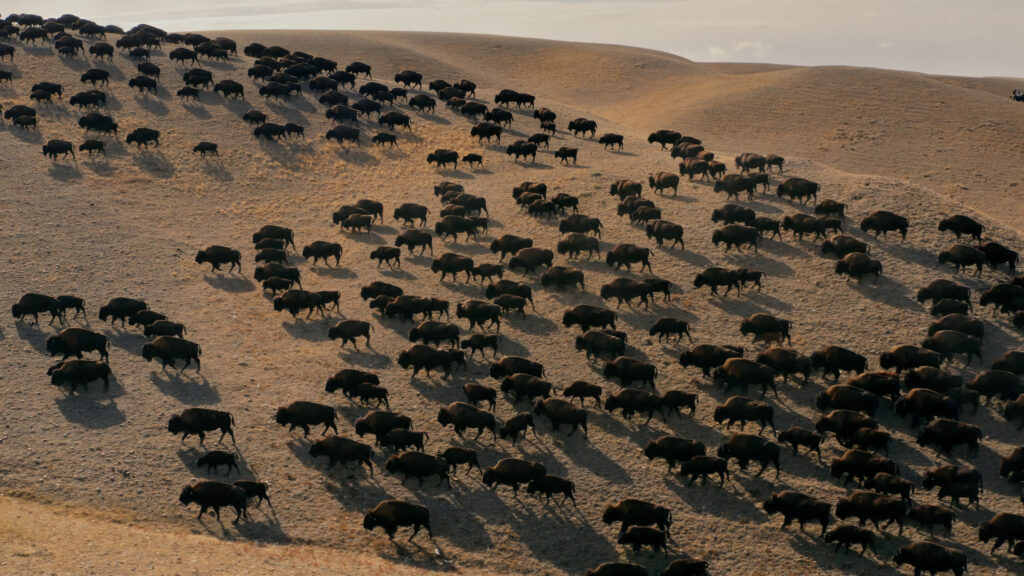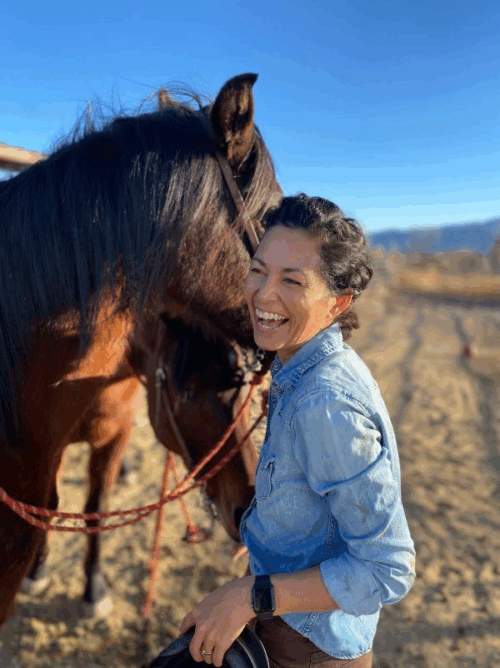


Jenn Wheeling and her four siblings were raised at the James Ranch in Durango, Colorado. At 18 they were sent out into the world, but one by one four of the five came back to live on the ranch and raise their families. Their parents’ requirement was that they each start their own businesses, which they did. The families now have enterprises that include vegetables and flowers, milk and cheese, trees, a restaurant, and of course regeneratively-produced meat.
Each of these businesses operates independently, but the family needs to work together to make decisions about the ranch overall. So they adopted a process that streamlines that work, called the Delegated Meeting Process. Adopted from a process Joe Wheeler learned in his corporate work, it allows meetings to flow with a minimum of wasted time, ego, and unnecessary impediments––crucial pieces to making a family ranch operate smoothly and with interpersonal harmony.
Joe and Jenn Wheeling will speak about this process at the REGENERATE Conference in November in Santa Fe.
Timestamp & Show Notes
2’34 history of Jeanne’s family ranch
5’02 husband came from a logging family but felt bad cutting down trees. His driving principle was that he “wanted to see the earth win.”
6’25 started making natural resources and conservation management plan in 1989 with the help of NRCS
9’13 the return of salmon and improved land and water because of improved land management
10’19 reduced inputs, reduced bare land, improved soil, and better forage
11’28 return of the beaver
13’19 implementing no-till
13’55 off-stream watering points
15’42 the advantage for soil of grazing animals
16’13 building soil and eliminating erosion
17’31 wool buyer of 100 years suddenly stopped buying their wool
18’38 26,000 sheep farmers went out of farming because of the offshoring and loss of textile industry in the US
20’44 disconnection from the origins of food and fiber resulting in less interest in land stewardship
21’31 couldn’t sell wool and the price of lamb was too low to be profitable
23’11 found ways to sell wool and lamb locally and regionally
26’07 built a fashion brand with her wool using local artisans. There was no factory.
28’47 used every part of the animal
29’45 2012 Winter Olympics controversy because they were using Chinese-made uniforms. Jeanne steps in to provide the wool for the uniforms.
32’00 people connect with their own history when they tour the ranch
35’05 Ralph Lauren made a film to tell Jeanne’s story, and that led to other brands and business opportunities
39’31 the Responsible Wool Standard for land care and animal welfare
43’07 decided to produce RWS wool as their main business
44’49 collaborating with scientists to produce high level data for emerging ecosystem services markets
48’50 32,000 acres in Oregon are sequestering 60,000 tons of carbon into their land per year
54’58 developing income streams for her ranches via ecosystem services and carbon credits
57’47 working with public lands agencies to graze on and improve their land
1:02’01 bridging the urban rural divide and building relationships with people ouside her world
1:07’14 keeping the US compeitive within the wool industry, sons taking over the business next generation