



About
the Ranch
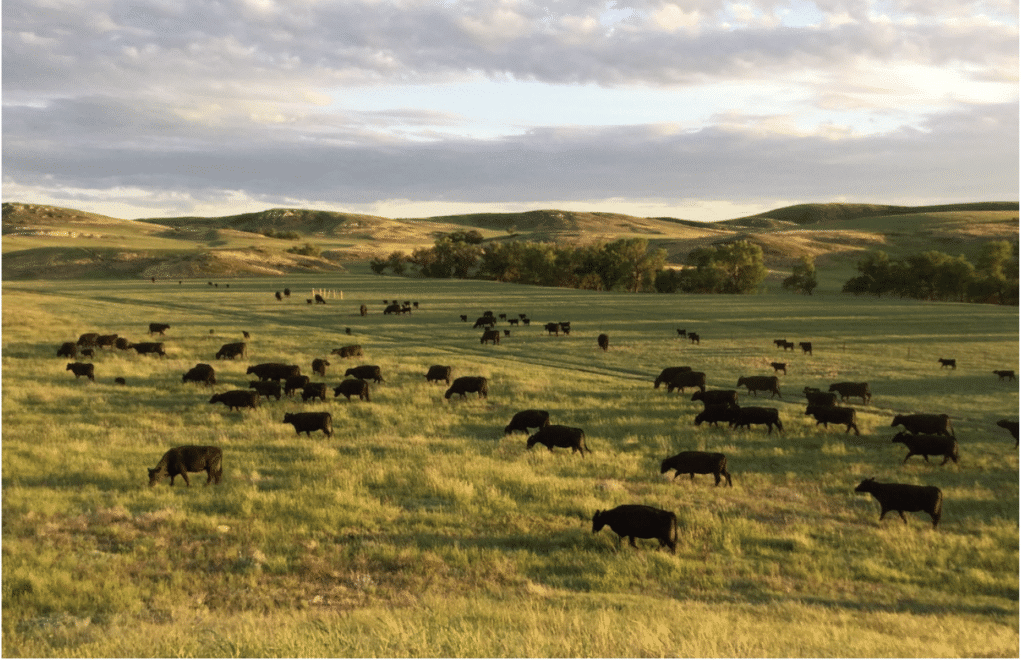
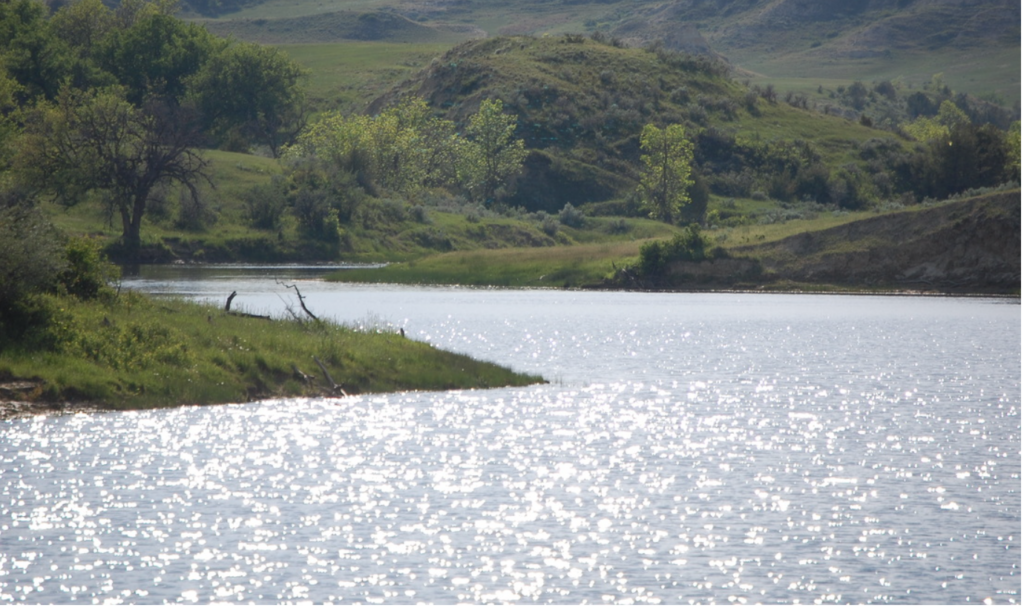
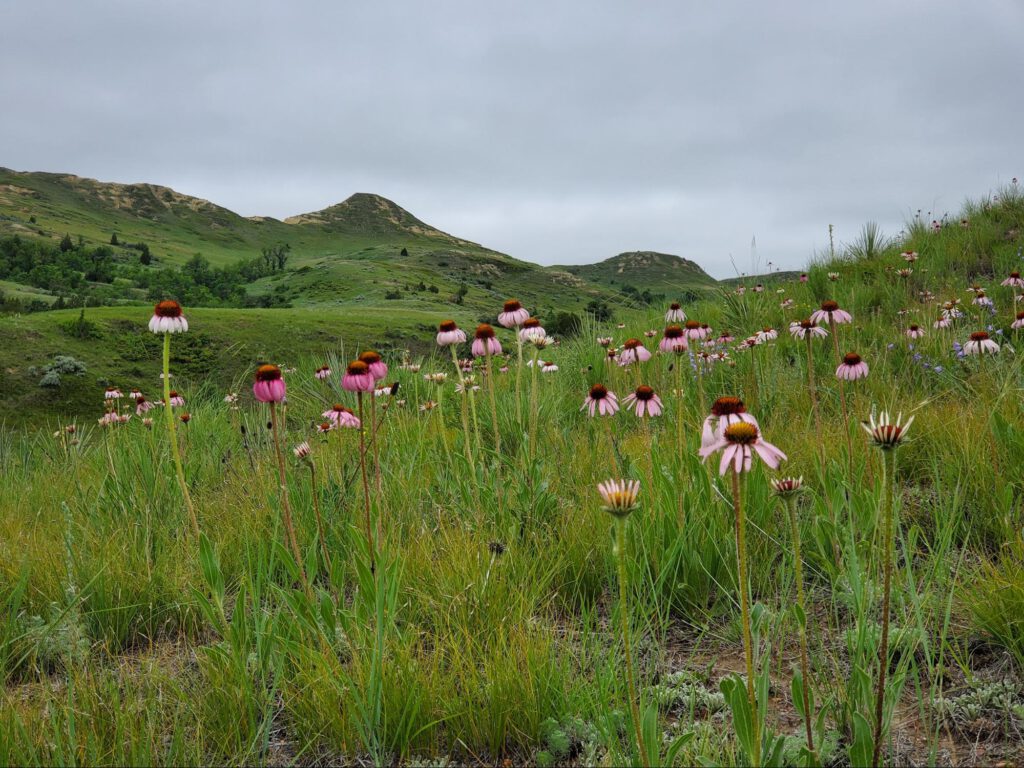
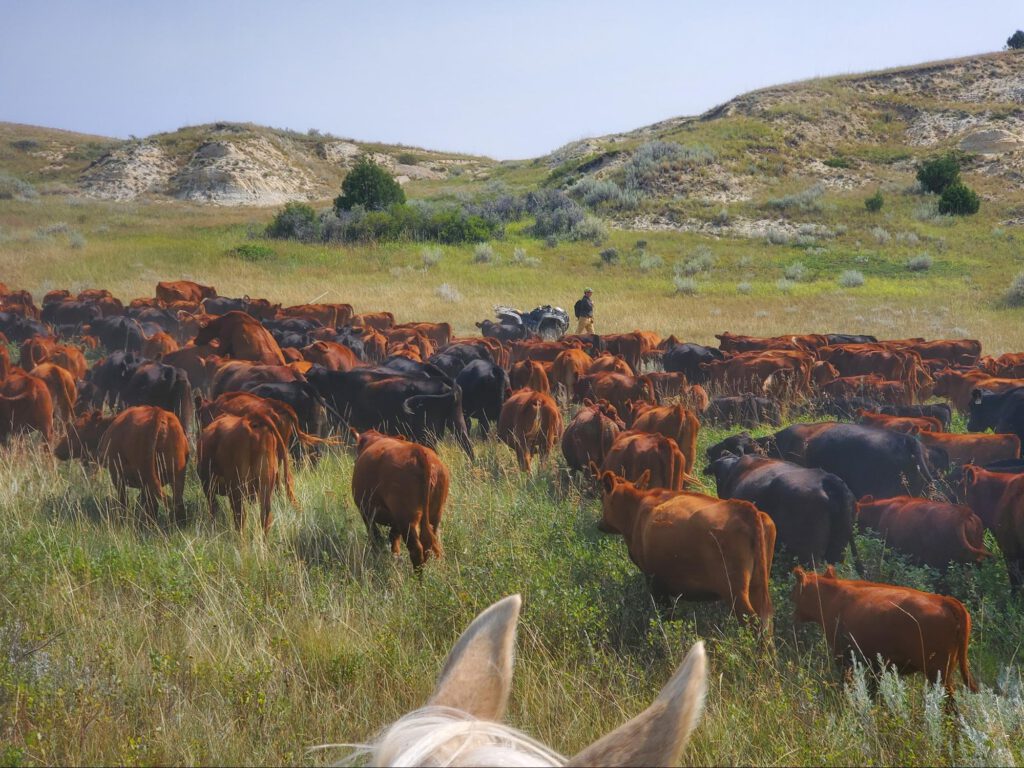
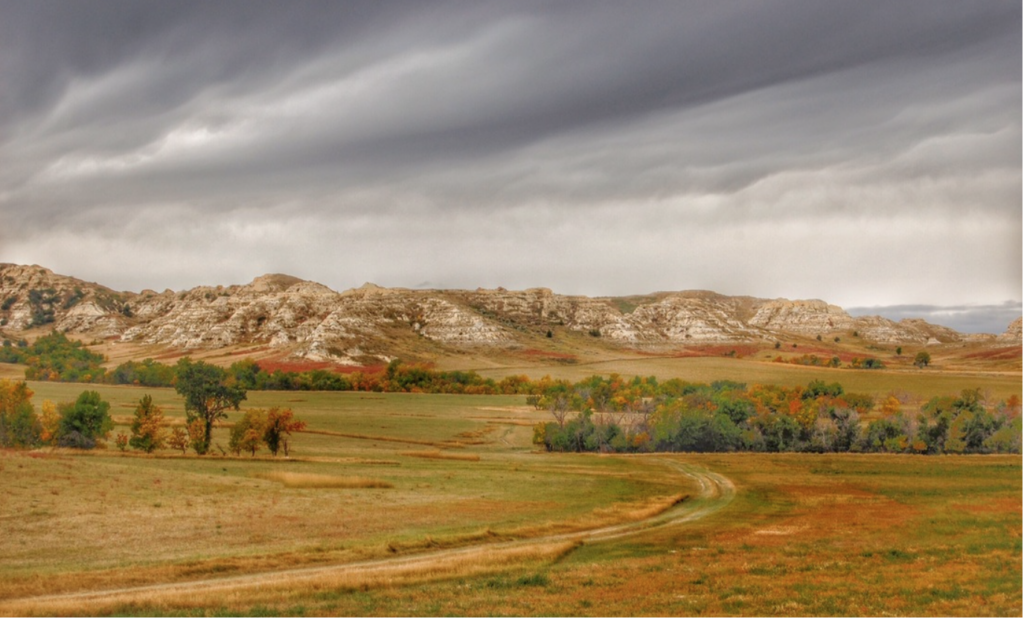
The Veebaray is a scenic 16,000 contiguous acre rangeland cow/calf operation located between the Missouri River Breaks and the North Dakota badlands. The terrain is a unique mix of rolling hills, steep breaks, wooded coulees, draws, and rough outcroppings. This varied habitat supports healthy populations of upland gamebirds, mule deer, whitetail deer and pronghorn antelope. Recent bird surveys counted 50 species residing here. Although not widespread in our part of Montana, even elk and moose can be found on the ranch.
More Story
Passed down through the founder’s family for over 100 years, the ranch is now operated by an onsite manager/mentor and overseen by the Board of Directors. Our philosophies are strongly influenced by Ranching for Profit, Holistic Management, Bud Williams, Burke Teichert, Jim Gerrish and Johann Zietsman, to name a few. We work cooperatively with many organizations – Montana Fish, Wildlife and Parks; World Wildlife Fund; The Nature Conservancy; NRCS; Eastern Montana Regenerative Agriculture; Western Sustainability Exchange – to improve wildlife habitat, range health, ranch operations and knowledge base.
Regenerative Practices
We raise cattle, but are really in the solar energy business. Every acre of the ranch is a solar panel to capture sunlight, soak up rainfall and grow grass. Planned grazing is the tool to influence energy flow, water cycling, nutrient cycling and community dynamics in our grassland ecosystem. We graze in ways that positively reinforce this cycle, improving the land for future generations. Truly symbiotic, healthy soils grow more grass and capture more solar energy for our livestock to convert into valuable products.
Regenerative grazing is critical to reaching that end and much of our current focus is on supporting infrastructure – fence and water – and making these capital expenditures cost effective requires thorough analysis.
We avoid using the same part of the ranch in the same season year after year. For example, we no longer have dedicated ‘sacrifice’ areas that are used in the same season for the same purpose every year. That approach trends toward declining ecosystem function and is contrary to our mission. In cooperation with MT Fish Wildlife and Parks, we follow the Gus Hormay pasture rest/rotation system. This system rotates our pastures through ‘early’, ‘late’ and ‘rest’ grazing periods. ‘Early’ pastures are grazed during the growing months of May, June and July. Grazing in ‘late’ pastures occurs after the majority of species have set seed (August-November) and ‘rest’ pastures are not grazed at all for a year. Every pasture is ‘early’ one year, ‘late’ the next and then completely rested in the 3rd year. The system is designed to vary the location and timing of animal impact around the ranch. Our goal is to promote diverse plant communities that are desirable for grazing, resilient to weather challenges and provide wildlife habitat. In addition to the rest/rotation system, we strive to graze as many days of the year and move animals onto fresh grass as often as possible. In some parts of the ranch, this means we move animals and poliwire every day. In other areas where terrain or water resources are limiting factors, we may aim to reduce grazing periods to ten days or less. We experiment with and employ whichever method (rotating through permanent paddocks; intensive strip grazing with temporary fences; herding/instinctive migratory grazing) is best suited to the situation at hand. Year ‘round managed grazing is a product of planning, adapting to conditions and monitoring the results.
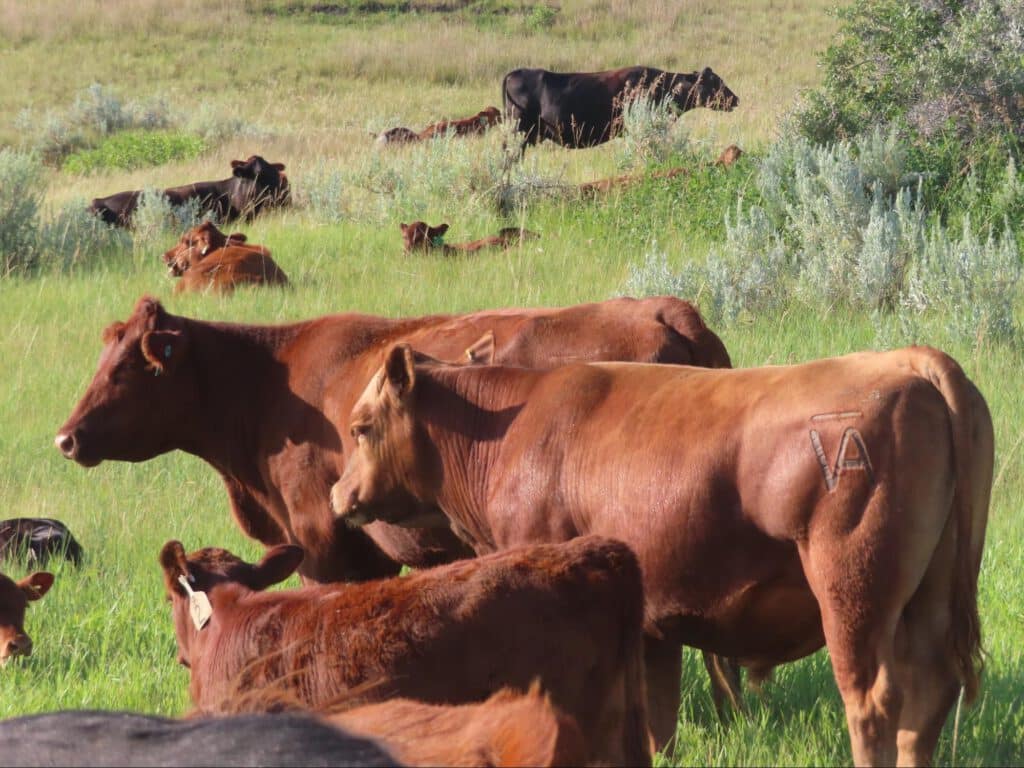
Many folks that adopt managed grazing eventually find their cows aren’t well adapted to new management conditions. Some find that their ranch’s resources are better suited to a different class of livestock. We are undertaking both approaches – genetic selection for cows adapted to this ranch and seasonal stocking for additional income, animal impact and flexibility. To really make those efforts worthwhile, we also need to budget and market intelligently. We are influenced by Ranching for Profit techniques, Bud Williams sell/buy marketing and the BOD’s experience in professional finance. The manager/mentors and several members of the board are RFP and/or sell/buy marketing school graduates. We meet regularly for strategic planning and business monitoring.
We are big fans of low stress animal handling (stockmanship) as taught by Bud Williams, Whit Hibbard, Steve Cote and others. We also have a budding interest in Instinctive Migratory Grazing that may play a role in the future. While our animals are generally in good health, there are always individuals that require assistance at calving, special care or treatment for illness. In those cases, we follow Beef Quality Assurance guidelines, the advice of our veterinarian and sometimes use alternative therapies.
Tour
the Ranch

The Mentor
Jim & Jess Spinner
Jim and Jess began their managed grazing journey in the late 1990s with bison. First generation ranchers, they leaned heavily on a desire to learn and the knowledge of mentors. Those mentors are the main reason they are mentors now – to foster the next generation of land stewards. As their experience (and family) grew, their vision became more intensely focused on soil and pasture response to high density, short duration grazing with cattle and portable electric fencing. Jim and Jess are Ranching for Profit graduates and continue to seek out new learning opportunities. They have experience in high rainfall environments (WI), arid rangeland (MT) and center pivot irrigation grazing systems. For many years, they sold grass fed beef and developed grass efficient genetics. Jim was a founding board member of the Wisconsin GrassFed Beef Cooperative. Jess is an experienced educator and a key influence on their teaching style. Exposed to Bud Williams Stockmanship nearly 20 years ago, and not knowing any other way to handle stock, the entire family is a tremendous help on cattle working days. Their family motto is “Be kind, proactive and adventurous”.

The Duties Of
The Apprentice
What will an apprentice do?
What skills and traits are required?
- Valid Driver’s License; clean background
- Honesty, integrity, responsibility
- Sense of humor; ability to rebound from hard lessons
- Enthusiasm for regenerative agriculture
- Strong work ethic – attention to detail, desire to achieve excellence
- Motivated – driven to learn and contribute
- Preference may be given to candidates with previous experience
- Physical/mental fitness and coordination appropriate to a position involving heaving lifting, hiking, manual labor and tool usage outdoors in all weather conditions and uneven terrain for long hours around large animals and allergens
What skills will an apprentice acquire?
Nuts & Bolts
More Details
Living on the Ranch
Town Information
There are 3 residences on the ranch – condo, manager’s house and a rental house. Tenants in the rental house are not ranch employees and their privacy is to be respected. President of the BOD makes regular ranch visits.
Basic amenities (gas, groceries, hardware, bar w/food, cafe, churches) are available within 15 miles of the ranch. Sidney (30 miles) offers larger chain grocery stores, fitness facilities, movie theater, local beer brewing, tiny airport and limited shopping. Williston, ND (90 miles) has the nearest Walmart and regional airport. Billings (290 miles) offers many restaurant options, shopping and regional airport. It is a long day or overnight excursion to visit Billings and spend any time there.
Camping and hiking are available on the ranch and outdoor activities are available at Gartside Reservoir (40 miles), Makoshika State Park (70 miles), Theodore Roosevelt National Park (100 miles), Fort Peck Reservoir (120 miles), Black Hills National Forest (330 miles). These are just a few examples.
Keep in mind that the ranch is located only 2 hours from Glasgow, known as the “most remote place in the lower 48”. There are more cattle than people in this part of the world and it is BIG country. It doesn’t matter how often we mention it, visitors are always surprised about how far it is to everything.
Housing
“The Condo”. Older, but comfortable private house located at headquarters approximately ¼ mile from other residences. Major appliances and basic cooking utensils are provided.
Laundry
Washer/dryer in apprentice housing.
Internet Service
Wi-fi in apprentice housing.
Cell Service
Cell coverage is fair on most of the ranch. Hill tops tend to have service. Verizon is the preferred provider. There are places on the ranch with no cell service.
Visitors
Generally, visitors are welcome as long as they act respectfully and don’t interfere with work performance. Advanced notice is appreciated.
Food
The ranch provides beef. Shared meals are regularly offered.
Pets
Working horses or dogs may be allowed. Let’s discuss it.
Drugs / Tobacco / Alcohol
No smoking or spitting in ranch buildings or vehicles. Always be cautious of fire danger if smoking. Legal use of alcohol during non-work hours that doesn’t impact work performance is acceptable.
Firearms
Please discuss during interview
Vehicle Info
Ranch Vehicles
Apprentice will drive ranch vehicles during work hours. It is useful to know how to operate a manual transmission.
Personal Vehicles
While apprentices will not be asked to use a personal vehicle for work purposes, the apprentice will need the flexibility of his or her own vehicle on their days off in order to run personal errands such as purchasing groceries and for travel.
Work Hours / Time Off
Working Hours
Typically 40-50 hours/week, 7am-5pm M-F, lunch break and minimal weekend duties. If we are working far from HQ, it is advisable to pack a lunch. Seasonal activities often alter the schedule (longer days or more days worked per week), but we maintain work/life balance by adjusting the schedule following periods of extended work. Occasionally work requires all hands on deck, but there is often flexibility in the schedule to accommodate other days off if needed.Time Off
1-2 days off per week, depending on seasonal workload. Apprentice and mentor off times may not always be the same days to allow some personal space and ensure essential duties are covered.
Health Insurance
Explore
Apprentice Stories
Check out past apprentices and what they have to say about their experience.
- 2025 Apprentices, 2026 Apprentices, Elk River Livestock, New Agrarian Blog