


About
the Ranch
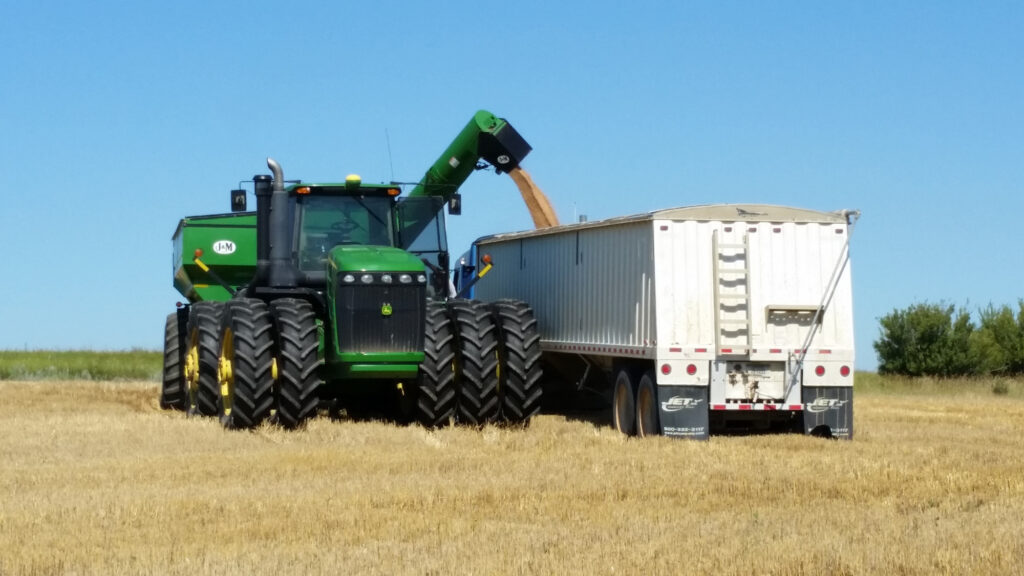
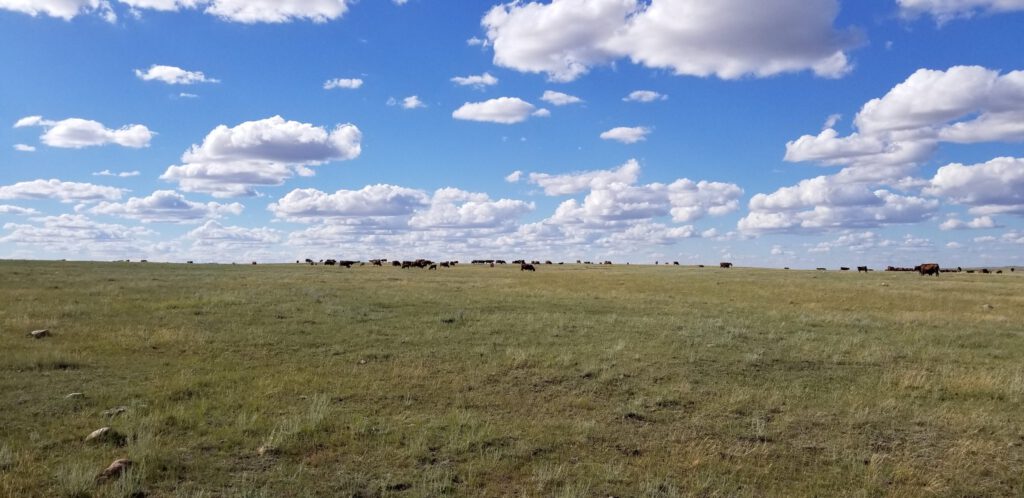
We are a fourth generation family farm and ranch in northeast Montana. Our primary enterprises are farming small grains (wheat, peas lentils, flax, and others), hay, cow-calf and heifer development. Starting in 2019, we transitioned into regenerative practices across all operations. In 2023, we launched our direct marketing brand “Prairie Roots”, which offers regeneratively-produced grains, meats, honey, and produce to our local community and beyond. We are excited about gaining additional energy, knowledge and insight from the diverse background of the apprentice(s). Human capital is at a premium in our area, which has among the lowest population densities of the entire country. Every additional person involved in the operation can help to enhance its value and contribute to making it a better and more productive system, both ecologically and socially.
More Story
Our farm was founded in 1922, when Jeff’s great-grandfather purchased the headquarters, just a few years after it was homesteaded. Since then, the farm has produced wheat and beef cattle for more than 100 years. We have since added to the footprint of the operation, in 2022 we farmed 5,000 acres and managed livestock on about 7,000 acres of pasture.
Traditionally, the year began with calving in March, followed by seeding wheat in April and May, haying in June and July, harvesting wheat in August and September, and shipping calves in November. Cattle were fed hay from approximately December 1-May 1 when they were taken to pasture. Wheat was planted in a 50/50 fallow rotation, with fields left fallow every other year. Recently, we have been changing this model. We moved our calving date to May-June, and are able to calve out on pasture. We have implemented a diverse crop rotation including pulse crops (lentils, peas) and eliminated the fallow period altogether. We have added more diverse crops (flax, safflower, cover crop mixes) and grazing livestock into the rotation. We are exploring additional crop rotation and multi-crop options into the future to further increase soil health and overall productivity.
On the livestock side, we have been selecting herd genetics to minimize inputs and maximize performance on grass. Where possible, we try to implement holistic grazing principles such as cell grazing and adaptive grazing management. Management typically involves setting up temporary electric fence to concentrate livestock in small paddocks, aiming to move animals at least once a week. We are dipping our toes in a direct marketing program for our beef and other products via local farmers markets, and would like to expand into online sales in the future. We joined a rancher-owned processing facility in Havre that allows us to have USDA certified beef to sell to consumers.
For the past two years, we have raised poultry (broilers and turkeys) and, in spite of drought and grasshoppers, a small market garden. In 2022, we started a honey enterprise and have six hives currently in production.
Our goals are to enhance the “triple bottom line” for our operation, land, and community. That is, to maximize profit, ecological benefit and social benefit. We would like to see the productivity of our operation increase over time, both in terms of traditional yield but also in terms of value. This includes ecological and social value, such as adding families to the landscape and layering diverse enterprise mixes. We would like to see thriving wildlife as well as a thriving human community as we continue to succeed and grow our operation. The New Agrarian Program is a great way for us to help grow and recruit the next generation of agricultural professionals! We are always looking for applicants who would be interested in joining our business or community long-term.
Regenerative Practices
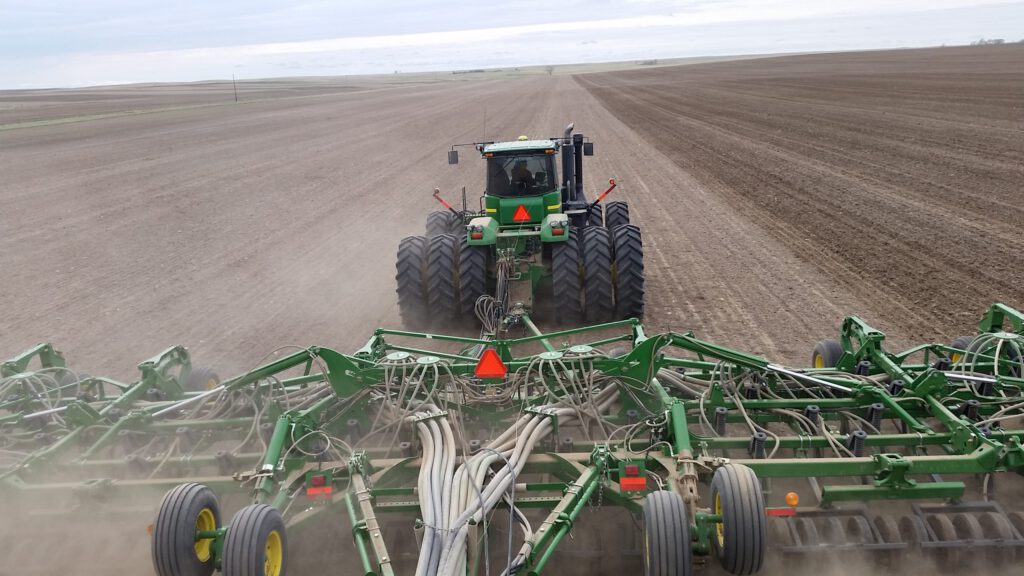
We are currently four years into the transition to regenerative practices, and part of why we’re interested in the mentor program is receiving help and insight from the apprentice(s). In 2019, we implemented cell grazing for the first time, moving from about 10 paddocks historically to more than 30. We have completely eliminated synthetic fertilizer from our farming system using instead compost extract and fish hydrolyzate if any inputs are used at all trying to get the biology corrected after years of abuse. We have used no-till practices for more than a decade, but in 2020 converted to zero-till via a disc drill and started using a stripper head on the combine as well to leave as much stubble as possible to catch snow and protect from the wind.
Tour
the Ranch
The Mentor
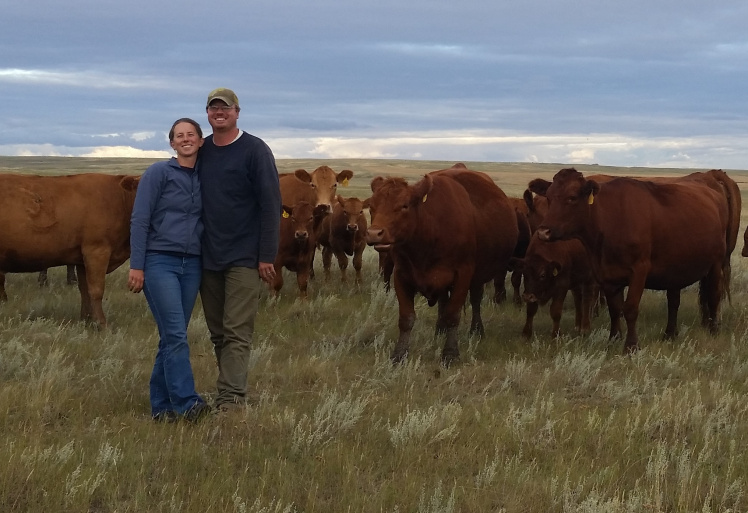
Jeff Sather
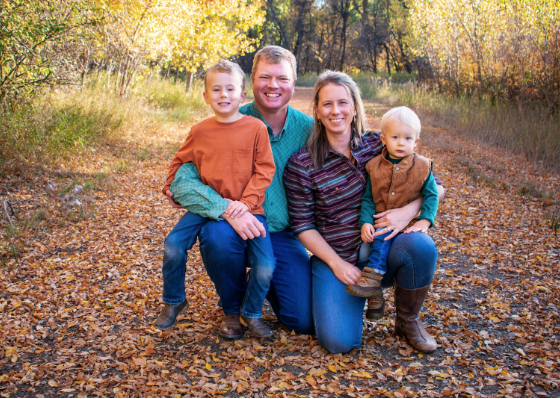
Jeff is the primary, daily operations manager and mentor for the apprentice(s). He is a fourth-generation Montanan and grew up on this family operation. He attended Opheim School, graduating in 2002 with a class size of 8. He attended North Dakota State University, majoring in Agriculture Systems Management and minoring in Agricultural Economics and Animal Science. Jeff is passionate about agriculture and is fortunate that he is able to continue his family operation into the next generation. He is outgoing and open-minded, with a wealth of knowledge from his over 20+ years of experience to share with anyone who is interested. He loves to grow things, whether that means crops, beef, grass, land holdings, or the business itself.
Marisa Sather
Marisa works full-time off the farm as a biologist for the US Fish and Wildlife Service, but helps with the business wherever she can. She grew up in the city (Nashville, TN) but has always been drawn to the rural lifestyle and the outdoors. She attended Middlebury College (Middlebury, VT) where she obtained a B.A. in Environmental Studies; the University of Cape Town (Cape Town, South Africa), where she obtained an M.S. in Applied Conservation Biology and the University of Montana (Missoula, MT) where she obtained a Ph.D. in Fish and Wildlife Biology in 2015. She is passionate about our unique grassland landscape and the rural communities that call it home.
The Duties Of
The Apprentice
What will an apprentice do?
- This year we are seeking 1-2 distinct apprentice positions. We are growing our business and we are especially seeking applicants that might be interested in full-time positions following the apprenticeship. Apprentices will jump in head first on the farm and ranch and get their hands dirty learning everyday aspects of the business including livestock care and management as well as regenerative farm operations. We do farm a considerable acreage, which takes a significant amount of time so apprentices should ideally be very interested in getting hands-on with farming and machinery. One of the positions we are looking to add long-term is that of an Assistant Farm Manager.
- We are also looking for apprentices with an interest in direct marketing business development. This is an area of our business that we would like to grow, but we need a lot of help! Apprentices would help us to build and maintain a regenerative agriculture product line to sell in the local community and beyond. Products include grains, beef, poultry, pork, eggs, honey and vegetables. The apprentice would participate in our local farmer’s market, and possibly travel to other surrounding markets, as well as work on developing online sales. Someone with skills in social media and online marketing would be a huge asset to us. Ideally, apprentices helping with direct marketing would also have a strong interest in gardening and be available to help plan, plant and tend the garden, raise poultry and eggs, tend beehives, and other tasks as required.
- We are looking for apprentices to bring new perspectives, knowledge and energy into our operation. Apprentices would be involved in all aspects of the farm and ranch and have numerous opportunities for learning. Work duties might include setting up or moving temporary electric fence and stock water, calving and other livestock health and maintenance duties, operating and maintaining farm equipment (seeding, mowing, baling, harvesting, trucking, loading/unloading). Additional learning opportunities include business management and planning, stockmanship, horsemanship, crop and herd planning, cell grazing management and planning, use of cover crops and diverse rotations, soil testing, marketing livestock and grain, development of direct marketing programs and much more.
What skills and traits are required?
- Valid Driver’s License
- Open minded with a willingness to learn and not afraid to share ideas
- Sense of Humor is a must
- General knowledge of machinery maintenance
- Some farm machinery experience
- Some experience around large animals
- Experience riding horses is a plus
What skills will an apprentice acquire?
Nuts & Bolts
More Details
Living on the Ranch
Town Information
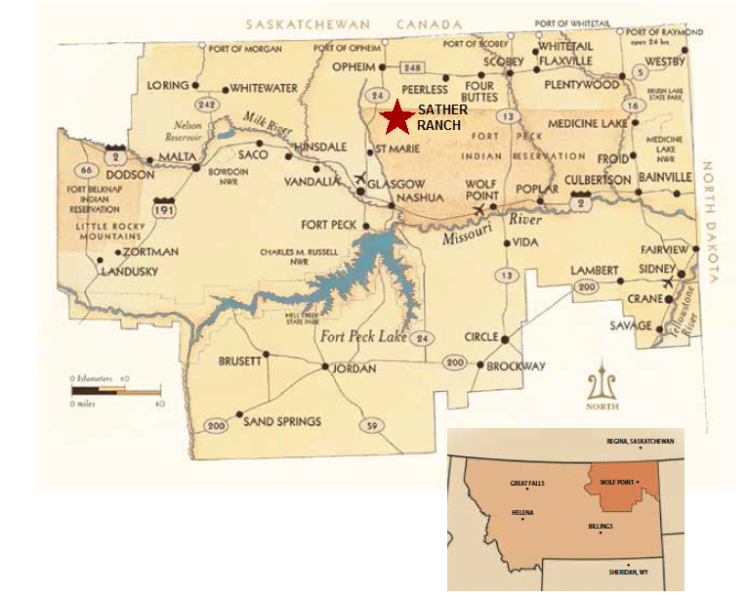
The house the apprentice will be staying in is 35 miles from Glasgow right on the highway and is about 12 miles from the main yard. Hopefully there will be opportunities to get off the ranch and meet some people and participate in the local scene. Glasgow has two large grocery stores, movie theatre, brewery, and some basic shops. Fort Peck Lake is just 17 miles from Glasgow and has swimming and fishing along with the Fort Peck Summer Theatre which has a show every weekend throughout the summer. We do have a boat and would like to get more use out of it
Housing
We have a separate, two-bedroom one-bath house about 12 miles away from our main place that has been recently renovated and would be made available for apprentice(s
Laundry
The house has a washer and dryer.
Internet Service
The house has internet availability. There is also cell service on most of the ranch. However some providers are better than others so this also can be discussed.
Cell Service
The ranch is not planning on providing a cell phone at this time.
Visitors
Visitors are welcome as long as they do not interfere with work.
Food
We can provide beef, pork, eggs, honey, grains and garden produce for the apprentice’s reasonable personal use
Pets
Dogs and cats negotiable.
Drugs / Tobacco / Alcohol
No tobacco use is permitted. Legal and appropriate alcohol use is ok outside of work hours.
Vehicle Info
Ranch Vehicles
Yes we have several. The apprentice will be expected to learn basic operation of vehicles needed (some have tricks) and operate them safely. This is a privilege that can be taken away if the apprentice proves inept at taking care of vehicles or being careless while driving around the ranch
Personal Vehicles
While apprentices will not be asked to use a personal vehicle for work purposes, the apprentice will need the flexibility of his or her own vehicle on their days off in order to run personal errands such as purchasing groceries and for travel.
Work Hours / Time Off
Working Hours
Daily routines vary depending on the season/job/year. We typically start around 8am and try to be done by 6pm. However, some days will require earlier starts and some may require later finishes. If we are in the middle of a job we may want to stay and finish.Time Off
The ranch provides the apprentice one day a week off. Day preference is flexible. There may be times when the apprentice will be asked to work on their day off depending on farm or ranch activities but it will be discussed and compensated or exchanged. Extended leave for special purposes can also be discussed.
Health Insurance
Explore
Apprentice Stories
Check out past apprentices and what they have to say about their experience.
- 2024 Apprentices, 2025 Apprentices, New Agrarian Blog, Triangle P, Veebaray Ranch