



About
the Ranch
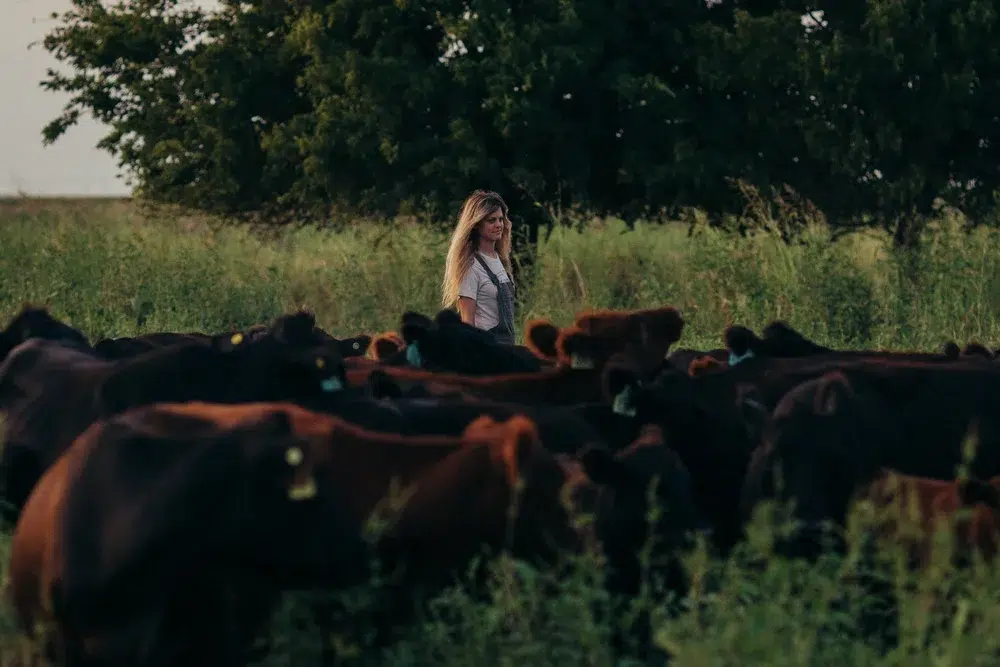
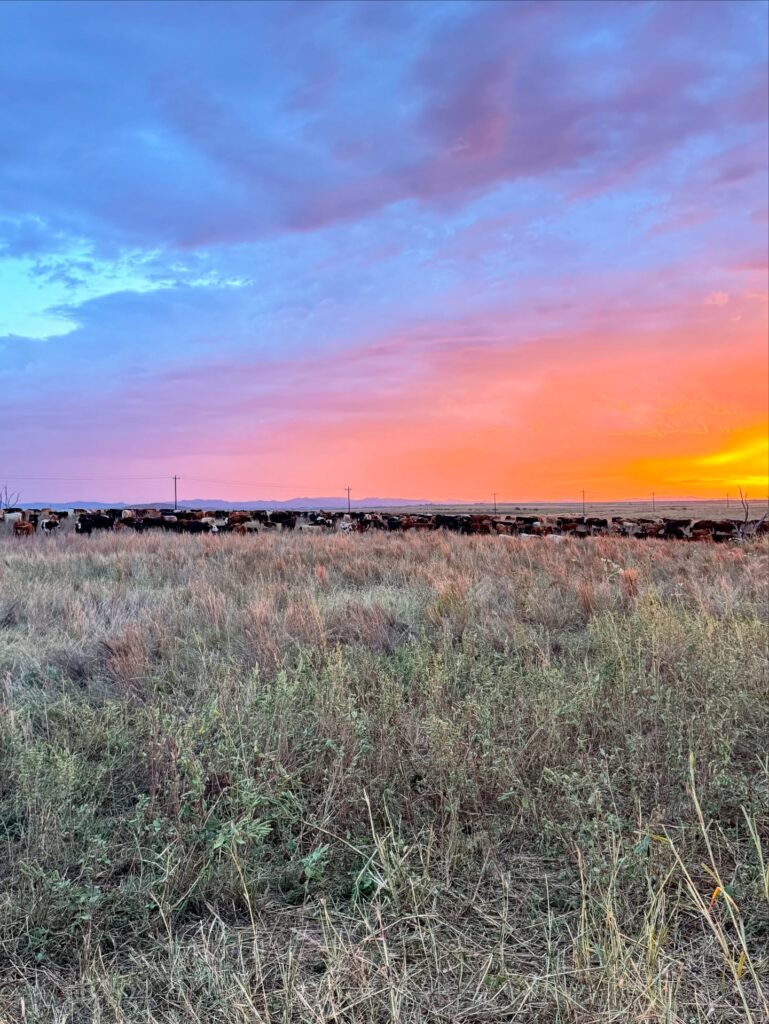
Frontier Ranch Management, led by Zach and Kacie Scherler-Abney, operates on roughly 4,700 acres across southwest Oklahoma. Our home base is near Lawton, OK, with ranches in Snyder (about 20 minutes away) and Walters (about 30 minutes away). We’re an adaptive, regenerative farm and ranch focused on building soil health, restoring ecological function, and running profitable, resilient livestock and farming enterprises. Our work combines ultra-high-density adaptive grazing, no-till cover cropping, and diverse cash crop production to create a system that works with nature instead of against it.
More Story
Our herd of 400 cow/calf pairs is moved two to four times per day. On the cropping side, we integrate progressive practices that eliminate the need for synthetic fertilizers and herbicides. Cover crops, residue management, and livestock integration keep the soil covered and biologically active year-round. In addition to managing the land, we own and operate Re:Farm – our direct-to-consumer brand – and Re:Supply, two retail stores where we sell our own products alongside those of other local and regional producers. Together, these businesses connect our regenerative work in the field to the communities that benefit from it. IG: @re.farm , Check out our website here.
Regenerative Practices
On our ranch, we use ultra high-density adaptive grazing to help regenerate the soil. Cattle are moved frequently through small paddocks to create short, intense grazing periods followed by long rest times. This mimics natural ruminant herd movement and builds organic matter, strengthens root systems, and increases plant and wildlife diversity. We keep living roots in the ground year-round and don’t use synthetic fertilizers or herbicides. We also grow cash crops using regenerative systems that integrate livestock into the cropping cycle. Cover crops and residue management replace synthetic inputs, and our grazing animals return nutrients right back to the soil. Every practice on the ranch is designed to work with nature instead of against it, creating a productive, resilient system that benefit both people and the planet. We’re looking for someone who shares that mindset, isn’t afraid of hard work, pushing the limits of what is possible with grazing management, and wants to be part of a team focused on restoring ecosystems while making a profit.
Tour
the Ranch
The Mentor
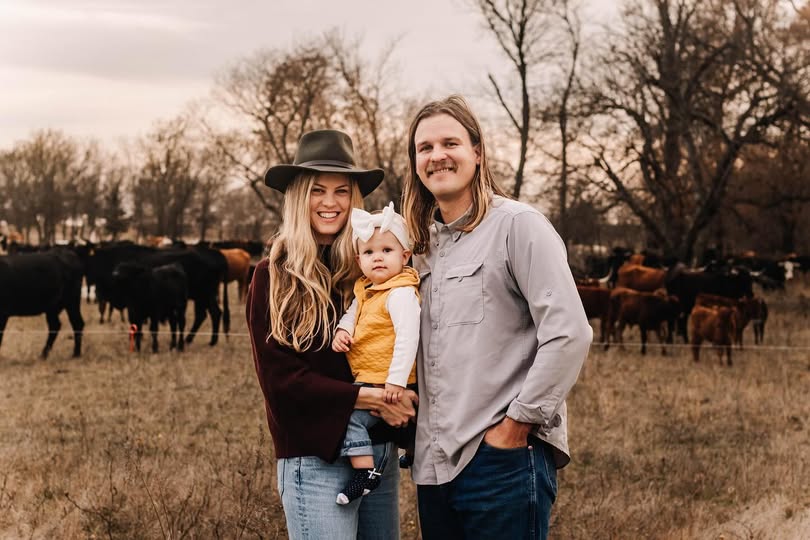
Kacie and Zach Scherler-Abney
I (Kacie) am a fifth-generation rancher and grew up working cattle with my family but spent years away from the ranch, going to college in California and living/working abroad, before finding my way back through a deep interest in soil health and local food systems. My background includes work in sustainable development and supply chain transparency, and I’m currently completing my Ph.D. in Environmental Sustainability at the University of Oklahoma, studying what helps producers transition to regenerative systems. My philosophy is that agriculture should restore more than it extracts, from the soil, to the ecosystem, to the people involved. I believe the most meaningful work happens when we combine ecological understanding with practical management and economic sense. As a mentor, I value curiosity, hard work, and humility. I don’t expect anyone to know everything coming in, I just ask for honesty, effort, and a willingness to learn by doing. Working here means caring about the land, being adaptable, and understanding that regeneration is as much about people and mindset as it is about cattle and grass.
Zach is a first generation rancher who has fallen in love with managing ecosystems. He spent his formative years in Uganda, before moving to Portland, Oregon, then Arkansas, and finally Oklahoma. Before ranching, Zach worked as the Director of Development for a nonprofit organization focused on locally led solutions in East Africa, and was a Quivira Coalition Herd Fellow. Zach manages day-to-day operations at Scherler-Abney Farm & Ranch; and Frontier Ranch Management, a consulting and land management company which provides services to private landowners, investment funds, and family offices. As a mentor, he values an open mind, a desire to challenge paradigms, and consistency of effort. Coming from a non-ranching background gives him a unique perspective when it comes to thinking outside of the box, which he loves to explore with others.
The Duties Of
The Apprentice
What will an apprentice do?
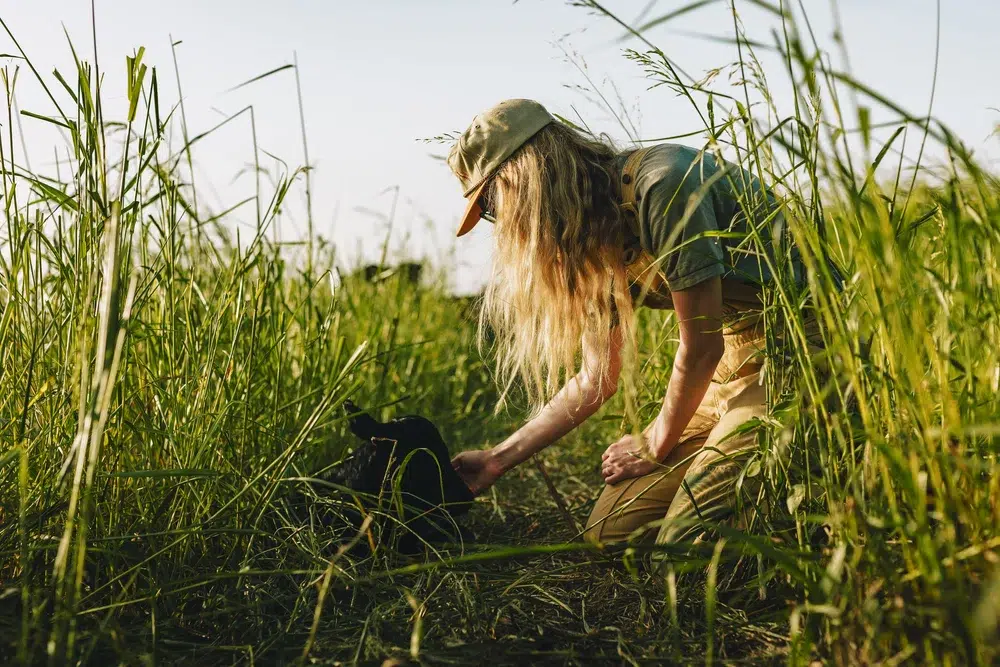
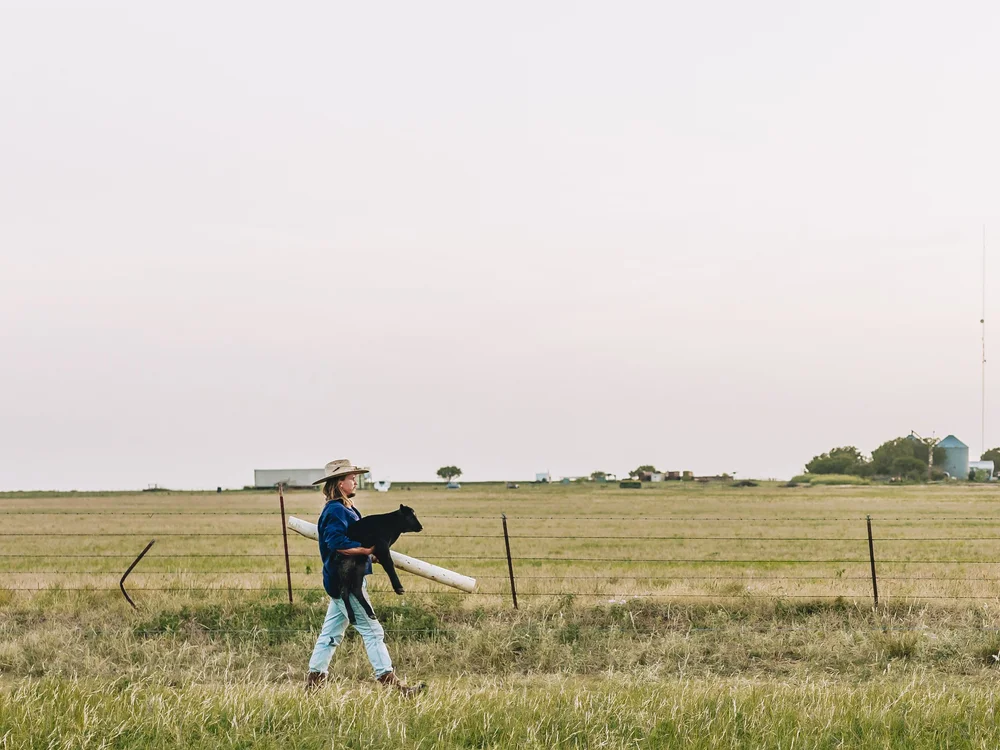
- On a daily basis, the apprentice will focus on livestock care, inspecting cattle to ensure their health and well-being while watching for any signs of illness or injury. They will make sure that water and feed are consistently available and make grazing adjustments as necessary. Grazing management will also be a key part of the daily routine, which includes monitoring and moving cattle according to the rotational grazing plan to promote soil health and pasture productivity. The apprentice will learn to update relevant data in both the PastureMap and Halter apps. Daily record-keeping will involve logging observations, cattle health updates, and operational issues. Additionally, the apprentice will be expected to address immediate challenges such as equipment failures, livestock emergencies, or weather-related disruptions, developing strong problem-solving skills in the process.
- Each week, the apprentice will take part in livestock planning by reviewing and adjusting grazing schedules based on pasture conditions and herd needs. They will help plan and oversee herd movements, breeding schedules, and veterinary care as required. Weekly property maintenance responsibilities will include inspecting ranch infrastructure—such as fences, water systems, and buildings—and scheduling any necessary repairs or improvements. The apprentice will also prepare weekly summaries to share with the team, highlighting accomplishments, challenges, and key goals for the week ahead.
- On a monthly basis, the apprentice will participate in broader herd and grazing assessments, reviewing herd health, productivity, and grazing outcomes to determine if long-term grazing rotations or feeding strategies need to be adjusted. They will report any infrastructure or equipment concerns and help schedule major maintenance or upgrades as needed. Financial awareness will also be emphasized, as the apprentice will assist in analyzing monthly expenses and revenue from cattle operations and evaluating results against financial targets. Staff development will be an ongoing part of this process, including providing feedback, identifying needs for additional support, and planning for future staffing such as cowboys or contractors. Monthly reporting will cover updates on cattle and forage inventories, grazing plans, budgets versus actuals, and marketing plans, ensuring that all aspects of ranch operations are closely monitored and effectively communicated.
What skills and traits are required?
What skills will an apprentice acquire?

Nuts & Bolts
More Details
Living on the Ranch
Town Information
Our ranch is located near Lawton, Oklahoma, a regional hub with a population of around 90,000 people. Lawton has all the essentials, a Target, movie theater, grocery stores, coffee shops, restaurants, gyms, and a few locally owned breweries, along with the conveniences of a mid-sized city like hospitals, a mall, and a university (Cameron University). It’s a diverse community with both military and agricultural roots, sitting just south of the beautiful Wichita Mountains Wildlife Refuge, which offers hiking, fishing, and plenty of opportunities to explore nature. The nearest major airport is Will Rogers World Airport in Oklahoma City, about an hour and a half drive from the ranch. It’s an easy trip for flights, but day-to-day life here tends to center around the land, the local community, and the slower pace that comes with ranch life.
Housing
Apprentices will have the option to stay in an apartment in Lawton, or a home near the Snyder ranch. Either option would be furnished with basic amenities included (bedroom, bathroom, kitchen, washer/dryer). We prefer to work with apprentices to figure out which location would work best for them. Housing and utilities are covered by Frontier Ranch Management.
Laundry
Laundry services provided with housing
Internet Service
Internet service will be available free of charge at either location.
Cell Service
Either housing option will have standard cell service as they are in populated areas. Both ranches have a few dead zones. Apprentice will use their phone primarily for communication with other ranch staff during work hours, checking cattle on the Halter app, creating grazing plans, using ASANA (task management), or listening to media (podcasts, music, etc.) while working – when it’s appropriate and safe to do so. Cell phones able to run the “Halter” e-collar app are a requirement for this apprenticeship, as well as the ASANA task management app.
Visitors
The apprentice is welcome to have visitors at their own housing in Lawton, as that’s their personal space and responsibility. We love visitors on the ranch; however, we do ask that any visitors coming to the ranch be approved ahead of time.
Food
We are providing a $400/month stipend for groceries and food. There will be occasional opportunities to take home products raised on the ranch (mostly beef) instead of or as part of this stipend. This is not a requirement, just an option for high quality beef at cost instead of market prices.
Pets
No pets are allowed at the ranch. If you choose to bring a pet, any extra fees or payments required to accommodate that pet must be covered by the apprentice. We will not be responsible for any additional charges related to the pet. Working dogs are allowed, but require approval.
Drugs / Tobacco / Alcohol
We maintain a professional and family-oriented environment on the ranch. No cigarette, drug, or cannabis use is permitted on the property at any time, regardless of local laws. This is in part to protect the ranch from the potential of unnecessary fires. Alcohol may be consumed responsibly during non-working hours and only in off-duty settings. We expect anyone representing the ranch to exercise good judgment and respect for others while on the property
Firearms
For safety and liability reasons, apprentices are not permitted to bring personal firearms onto the ranch property. We occasionally use firearms for ranch purposes, such as predator control or humane livestock management, but those situations are handled only by designated personnel. This policy helps ensure a safe and professional environment for everyone living and working on the ranch.
Vehicle Info
Ranch Vehicles
A ranch vehicle will be provided for any work related to the ranch. It will only be available for ranch related work or travel. The vehicle will have an automatic transmission.
Personal Vehicles
Work Hours / Time Off
Working Hours
Apprentices will be expected to work on the ranch 5 days per week, 8 hours per day, 40 hours total per week. This may sometimes reflect weekends off (Sat/Sun) and other times require one working weekend day (i.e. work Saturdays and have Sunday/Monday off).Time Off
Our time-off policy is flexible, but we do require advance notice of potential time off.
Health Insurance
Explore
Apprentice Stories
Check out past apprentices and what they have to say about their experience.
- 2025 Apprentices, Chico Basin Ranch, New Agrarian Blog, San Juan Ranch, San Juan Ranch