Learn strategies for yourself
& How to Help Others
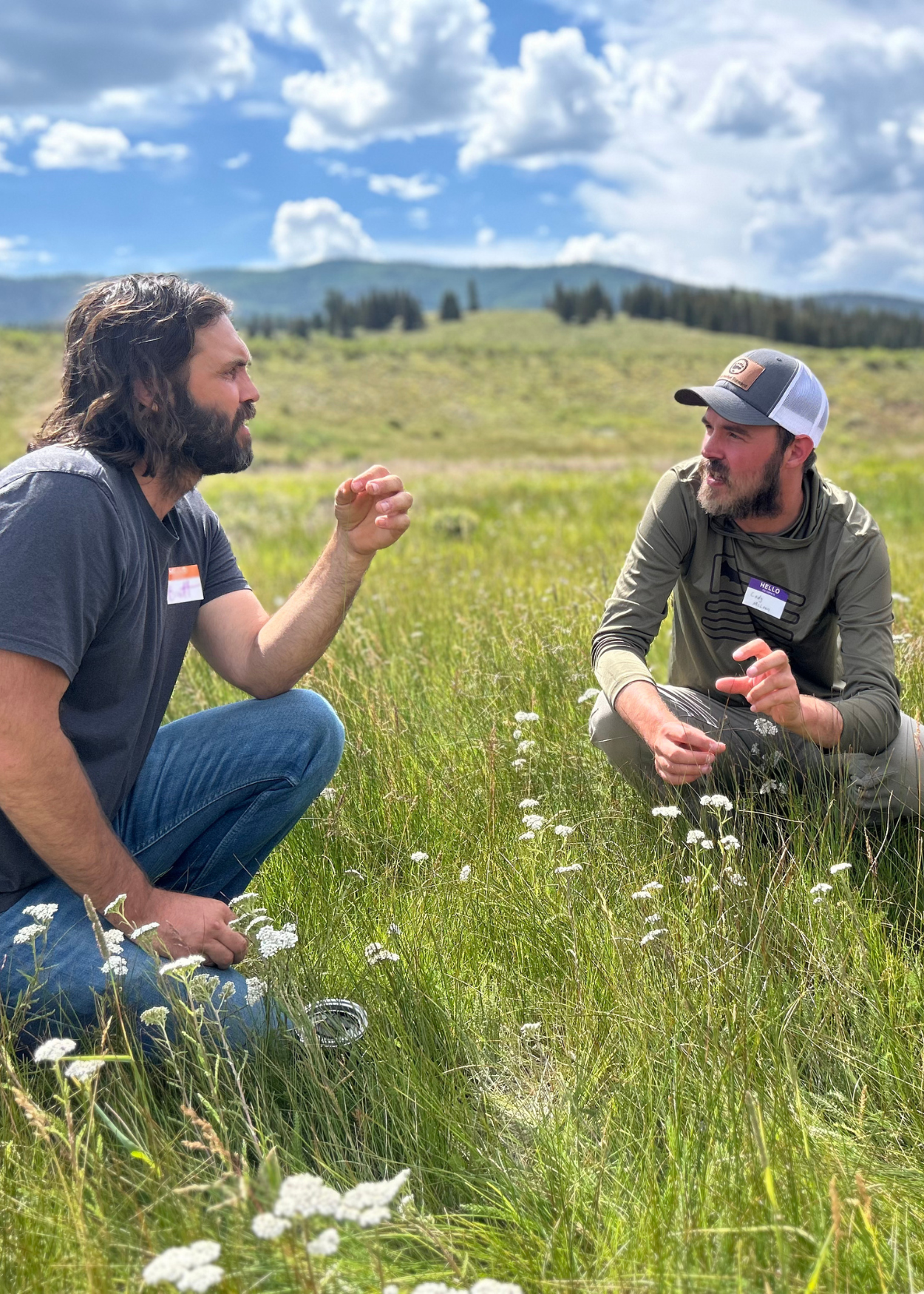
Quivira Coalition and AgWell (an initiative of the Rocky Mountain Farmers Union) have partnered to offer another peer-to-peer wellness training program and support network. Participants will gain the ability to recognize, understand, and address behavioral health challenges, which will then prepare them to implement supportive measures within their own networks and facilitate sessions with their own communities that foster personal and collective resilience. Over the course of five months, participants will learn frameworks for navigating stress, strategies for addressing mental health challenges, and skills to serve as facilitators in a peer-to-peer support network focused on wellness within an agricultural context.Â
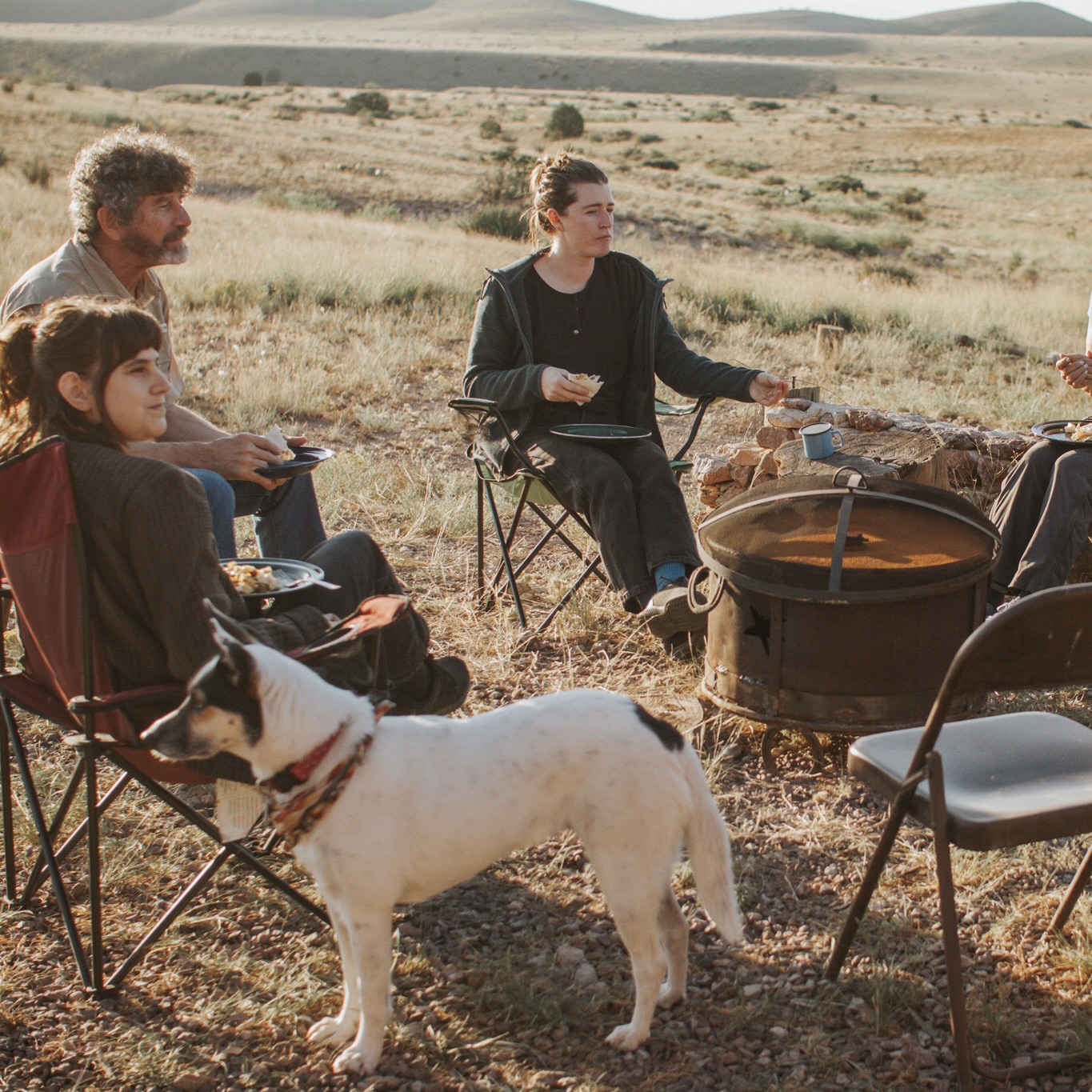
The purpose of this program is not to train participants to be mental health professionals or licensed counselors, but instead to provide them with the skills to facilitate local or virtual support gatherings and create opportunities for social connection among peers after the training has ended
Everything you need to know
Our Program
Program support and required elements
- Virtual orientation and kickoff call to meet other participants and the support team, and discuss the importance of embracing a paradigm shift around wellness and behavioral health within our agricultural communities (Oct 2025)
- Monthly virtual training sessions that will cover the following:
- Reflective listening and compassionate facilitation skills
- Stress management techniques and recognizing physical and social signs of distress
- Engaging with people in crisis or hardship: providing resources and strategies for referralsÂ
- Embracing a living root: building protective factors and applying the wisdom of the soil to our lives
- Optional modules that will be offered outside of the official programming include COMET training, QPR certification in suicide prevention, and/or mental health first aid training
- Virtual concluding session in March to recap and create strategies for organizing and building support networks within participants’ local contextÂ
- Self-assessment on mental wellness and behavioral health skills at the beginning and end of the program to track progress and inform learning goals
Upon completion of the peer-to-peer training program, continued support and benefits will include
- $225 minimum stipend, up to $300 stipend (depending on # of participants)Â
- Access to Quivira’s and AgWell’s network of resources, trainings, workshops, and information
- Network of cohort graduates
To be eligible for the program, a candidate must
- Be a beginning farmer or rancher in the first 10 years of their career
- Be committed to proactive learning, including attending all monthly training calls and engaging in reflection-based discussions
- Be located in Alaska, American Samoa, Arizona, California, Colorado, Guam, Hawaii, Idaho, Micronesia, Montana, Nevada, New Mexico, Northern Mariana Islands, Oregon, Utah, Washington, or Wyoming
- Have access to reliable internet during the season
- Commit to being involved with facilitating a local peer-to-peer support network in their agricultural community after completion of the program
An ideal candidate
- Brings vulnerability and openness by sharing personal experiences, applying them to training modules, and contributing to a culture of trust.
- Is comfortable in a discussion-based learning environment where modules incorporate reflection and conversation rather than lectures.
- Has a strong interest in wellness, behavioral health, and building supportive networks within their agricultural community.
- Actively participates in creating a culture of mutual support within the cohort, and works on developing ideas to engage their community after the program’s completion.
Apply
Applications are now closed.
Top candidates will be invited for a short interview with program staff upon review of their application, with positions being offered by mid-October. Please email Mattie Griswold, mattie@quiviracoalition.org with any questions about the program logistics or application process. If you have questions about the program content or curriculum, please contact Carlyle Stewart at carlyle.stewart@rmfu.org.
This project is supported by the Western Regional Agricultural Stress Assistance Program.