

This program is designed for the beginning agrarian who is seeking real-world experience in regenerative agriculture, and is willing to commit to the hard work and long days it takes to gain that experience. Applicants must be authorized to work in the U.S. in order to apply.
Apprentices work full-time from March/April until November, and take part in many of the activities necessary for the daily operation of the ranch or farm. Ideally, basic, repetitive tasks are balanced with new and increasingly challenging work to enable the development of higher-level skills and to further apprentice learning. Mentor sites in the program range from small, family-run ranches to larger, corporate-owned ranches. All mentors in the program have completed Quivira Coalition’s mentor training program.
Applications are closed for the 2026 season. They will open October 26 for the 2027 season.
Check out our job board in the meantime!
Everything you need to know
About Your Apprenticeship
Orientation
Apprentices attend an in-person group orientation in late March or early April to spend time with fellow apprentices and participate in activities to prepare them for the season. Attendance at this event is mandatory.
Reflections
Each apprentice submits two reports to the New Agrarian Program that are published in the New Agrarian Voices blog. The first is a one-page personal introduction, due in May, and the second is a three-page final report, due at the end of the season.
In-person workshops
Each season, the New Agrarian Program organizes at least one in-person educational opportunity in each region (Southwest or Northern Plains) to gather the cohort and learn about topics like low-stress stockmanship, soil and plant monitoring, meat processing, etc.
Site visits
Apprentices are encouraged to visit other ranches and farms near their mentor site for the opportunity to see different models and management styles. Apprentices may identify operations they are interested in visiting (typically New Agrarian Program host operations, but not necessarily) and schedule one to two day visits.
1:1 coordinator check-ins
Each apprentice has a regional coordinator who performs monthly check-in calls and one site visit to ensure the apprentice is supported during their season.
Skills checklists
The New Agrarian Program requires each apprentice to complete a provided skills checklist with their mentor three times during the season: at the beginning, middle, and end. This checklist is designed to start conversations between mentors and apprentices about learning goals for the season, and helps track progress.
Supplemental education
The New Agrarian Program partners with topical experts to offer a series of monthly video calls designed to expose apprentices to topics ranging from soil health and land management to biological monitoring, financial management and business planning. Upon completion of the New Agrarian Program apprenticeship, graduates will be given scholarships to continue their education through programs such as Holistic Management International’s online training courses, depending on funding availability.
The REGENERATE Conference
In November, apprentices attend the REGENERATE Conference with free registration and lodging provided. Apprentices will be celebrated during a graduation ceremony at the conference, and they will also have opportunities to attend a wide variety of workshops and plenary presentations addressing land health, regenerative agriculture, food systems and other relevant topics. The conference also offers apprentices an opportunity to network and seek out their next career steps.
An apprenticeship is designed to be a hands-on, working, and learning experience. The greatest benefit to apprentices is the opportunity to become fully immersed in the daily labor and operation of their host operation. Other compensation includes:
Contact hours
Apprentices can expect approximately 350 direct contact hours over an eight month period (or approximately 8 – 10 hours a week) with a person in a designated mentorship role. Some operations have multiple people offering mentorship.
Housing
Mentors provide apprentice housing on or near the ranch or farm, separate from mentor housing. Housing is private and includes adequate heating and other utilities, as well as cooking and bathing facilities. While there will usually be internet access on host operations, it may or may not be directly accessible in the apprentice housing. Apprentices are expected to provide their own telephones and telephone service.
Pay
Each apprentice is paid directly as a W-2 employee of their mentor site. Some sites pay hourly, while others offer a monthly stipend, and amounts vary due to different state labor law requirements and other details of each mentor site’s compensation package.
Food
While some mentor sites provide food and/or meals, others do not. Check each site description for more details.
Workers’ compensation
Apprentices are covered by workers’ compensation through their mentor/employer during the periods of their apprenticeships spent on the host operation. While most work-related injuries are covered, those that occur during off hours are not. Mentors will discuss details with apprentices as soon as possible after they arrive at the host operation.
PLEASE NOTE: The New Agrarian Program only accepts applicants who already have legal authorization to work in the United States and can not help with the visa process.
“Once upon a time, apprenticeship was the primary form of education available to a person, whatever the field—medicine, music, cobbler or scholar. Not necessarily a beginner, but not yet a master, an apprentice agreed to work for a specific length of time for a master craftsperson in a craft or trade, in return for instruction. An agrarian apprenticeship is a form of this age-old process by which a learner becomes a practitioner.” – Julie Sullivan
What the apprenticeship is
- A full-time, hybrid work and educational experience in ranching, agriculture, and land stewardship in the American West
- Land-based program on working ranches and farms raising livestock for both production and land stewardship values
- A pathway for those who have a serious intention of exploring whether agriculture is a viable career for them
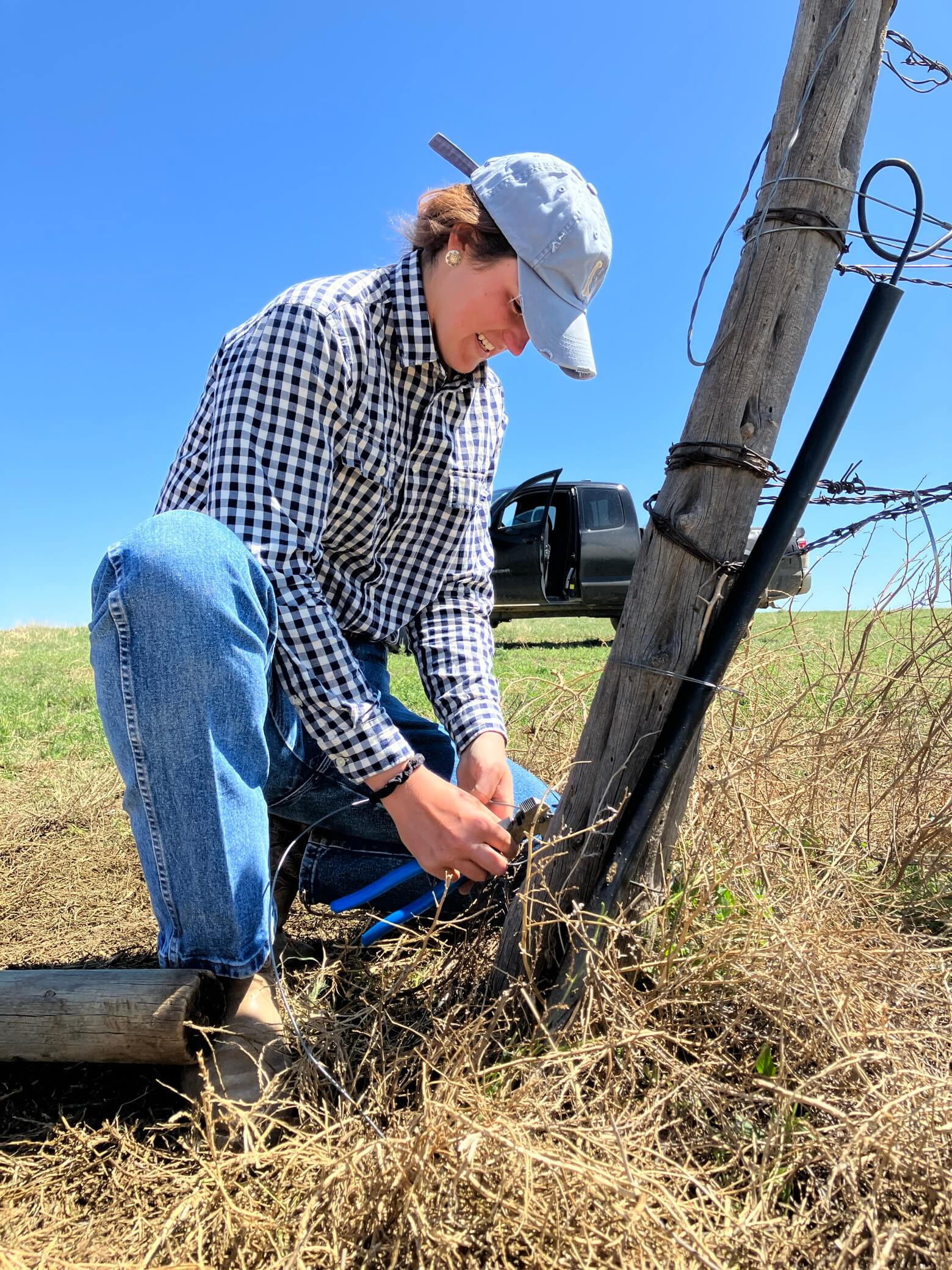
- An opportunity to be challenged, grow confidence, and build competence through focused learning and significant time doing monotonous tasks like fence repair and setting up polywire
- Learning the realities of land stewardship and agriculture and gaining insight into how potential challenges such as drought, changing markets, and thin margins impact a business and life tied to the land
- Learning from both a mentor and mentor site (livestock, land, ranch staff, plants, watersheds, ecosystems) and from required supplemental education
- Living and working at mentor sites that can be approximately an hour or more from a small town
What the apprenticeship isN't
- Guest ranch/dude ranch experience
- WWOOFING or gap year experience
- An opportunity to ride horseback all the time (only some operations provide horseback riding opportunities, as stated in the site descriptions)
- Pathway to a guaranteed job after the apprenticeship is over
- An opportunity to be part of a Western cowboy drama (i.e. Yellowstone)
- A formal, classroom-based education – apprentices learn through daily practice
- A standard 9-5 job
- Business management training (check-out our Manager Fellowship if you’re looking for this type of training)
What outcomes should you expect at the end of the apprenticeship season:
- The baseline skills and experience needed to pursue employment in ranching
- Greater confidence, resilience, and ability to navigate the challenges found in ranching or rural careers
- Increased clarity regarding your next career step in agriculture or related work (ranch management, veterinarian, conservation non-profit, rangeland monitoring, etc.)
- Access to a network of peers, mentors, and ranching professionals
- Connection to Quivira’s broader network, including Quivira’s New Agrarian Program alumni network and professional networking opportunities at the REGENERATE Conference
Regenerative ranching occurs on a spectrum, with some being more regenerative and others more conventional. If you would like to know more about the specific skills and practices you might learn at each site, refer to their site description and ask for more details during the interview process. While we try to match apprentices with sites that most fulfill each other’s needs, we can’t always guarantee a perfect match or promise specific outcomes for a site. Each season can come with its own unique set of challenges that may not be anticipated and require adaptability.
Where Quivira Works
Locations
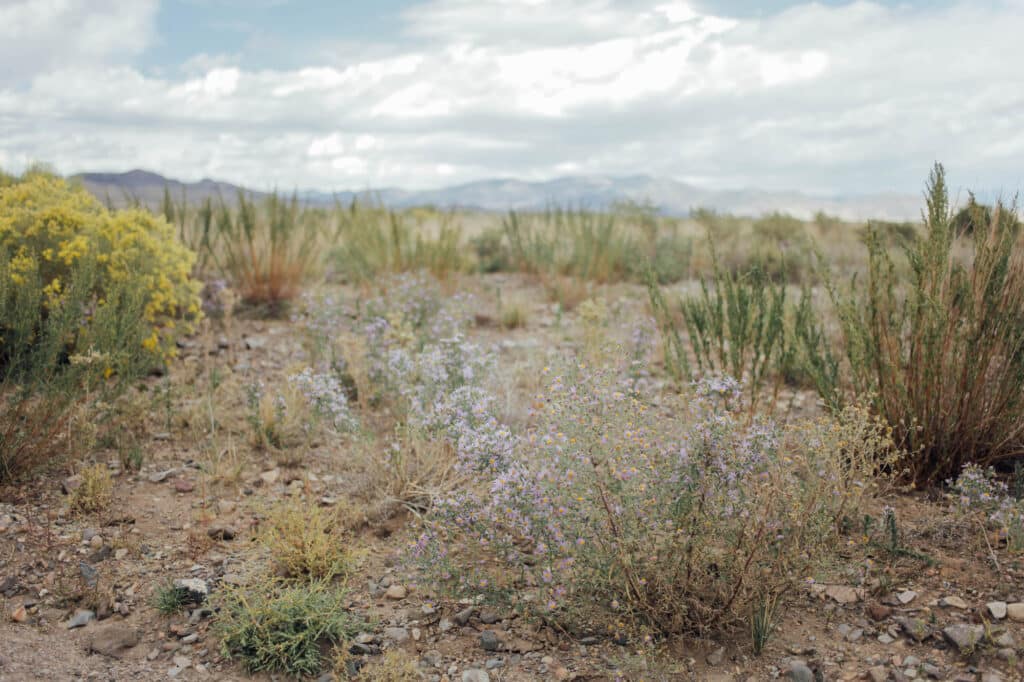
Mentor sites are located in Colorado, Idaho, Montana, Texas, and Wyoming. No two mentor sites are the same and each offer different opportunities to learn about various operations, livestock, and methods. Click through to see the full list of sites and explore what they have to offer.