

Building Soil Health in West Texas Rangelands: A Hands-On Field Workshop
RSVP for Event
Details
- Aug 03 2026
- Expired!
- 8:00 am - 4:00 pm
- Alpine, TX
Download / Add Event to your Calendar
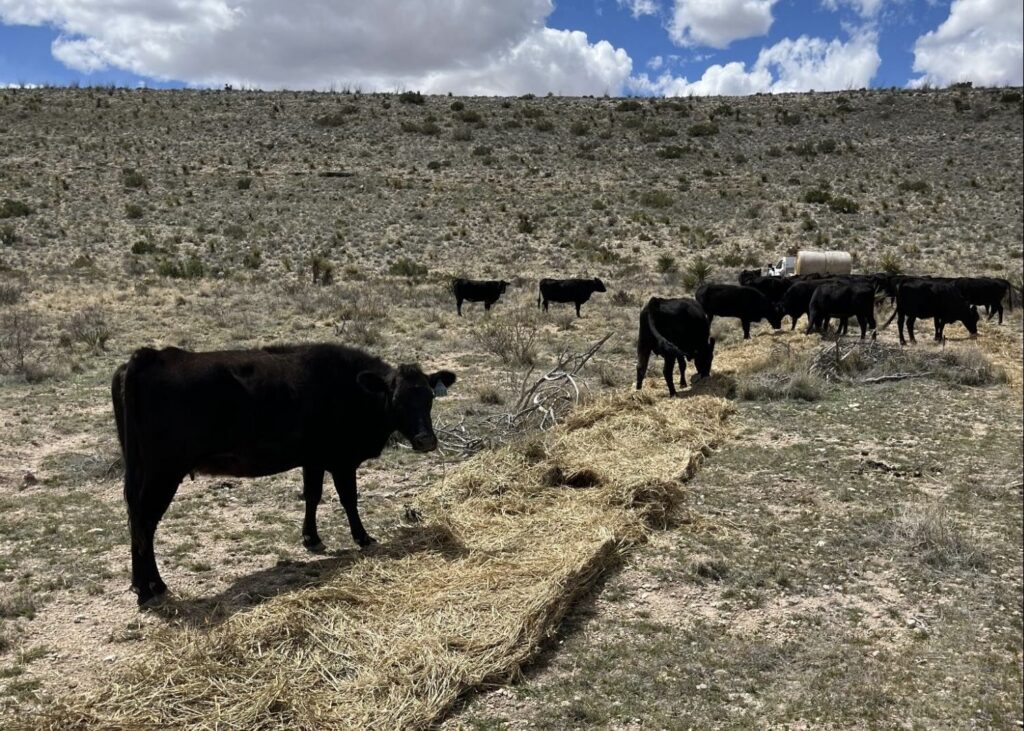
Join land stewards and students for an in-field workshop at a working ranch near Alpine, Texas, focused on practical approaches to improving soil health in dry rangelands. Participants will explore side-by-side comparisons of biochar, bale grazing, and compost additions, while discussing how these practices influence soil function, forage production, water retention, and long-term resilience. There will be time to share experiences and research that is ongoing in the region to build connections and spark new ideas. The workshop emphasizes hands-on learning and participation, with opportunities to try monitoring methods to evaluate existing treatment areas through the lens of soil health principles. You will also hear of related activities happening at universities and on working ranches in the region. Quivira Coalition’s Dr. Eva Stricker will facilitate discussion throughout the day.
Notice for students! At lunchtime, we’ll have a poster session for you to share your research related to livestock, rangeland management, restoration, or anything else related to regenerative agriculture. No need to submit an abstract, but please let us know if you’re interested so we bring enough easels and backboards.
Questions? Contact Eva at eva@quiviracoalition.org.
This material is based upon work supported by the U.S. Department of Agriculture, under agreement number NR227442XXXXG005. Any opinions, findings, conclusions, or recommendations expressed in this publication are those of the author(s) and do not necessarily reflect the views of the U.S. Department of Agriculture. In addition, any reference to specific brands or types of products or services does not constitute or imply an endorsement by the U.S. Department of Agriculture for those products or services.
More Information
 Eva Stricker is a Research Assistant Professor at the University of New Mexico Department of Biology and a part-time Evaluator for the Santa Fe-based regenerative agriculture non-profit the Quivira Coalition. Dr. Stricker received her PhD from UNM Biology. She has expertise in plant-soil interactions and biogeochemistry in drylands, use of organic waste as a management tool for restoring degraded dry rangelands, and inquiry-based, equity-focused education for adult learners.