


About
the Ranch
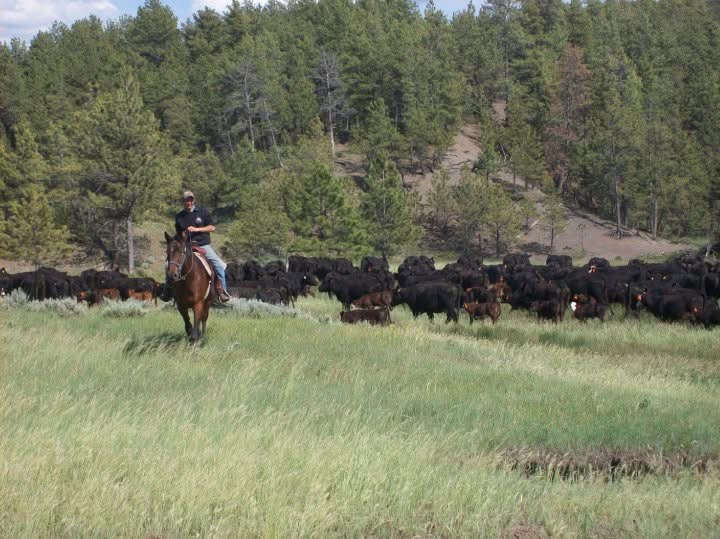
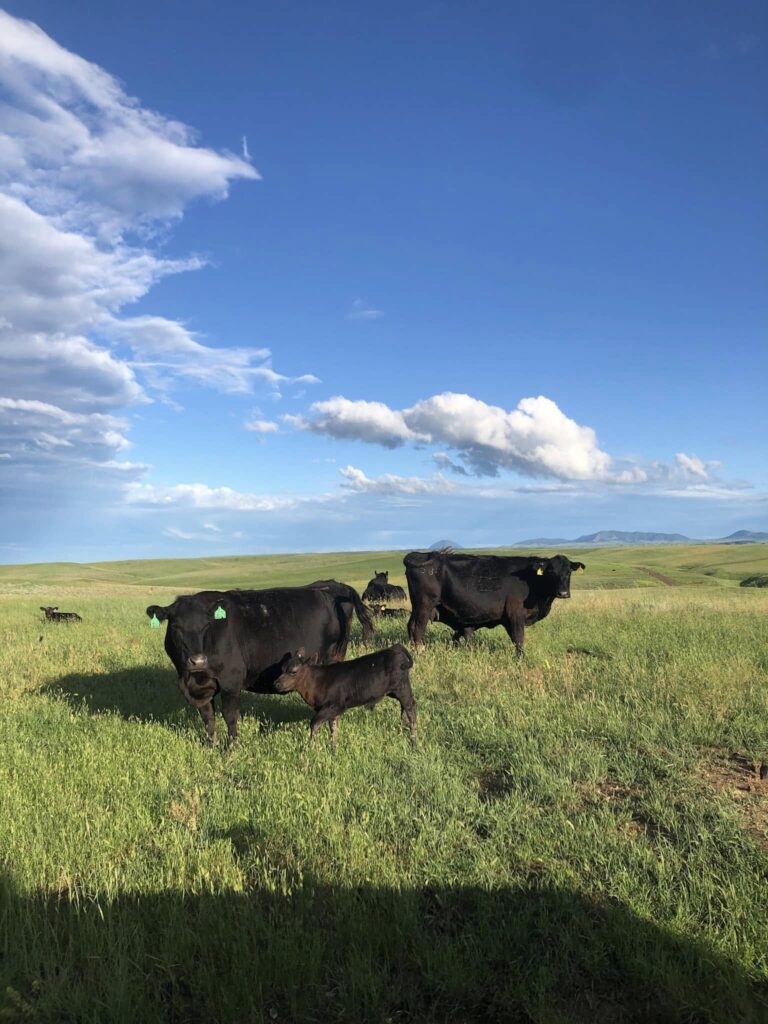
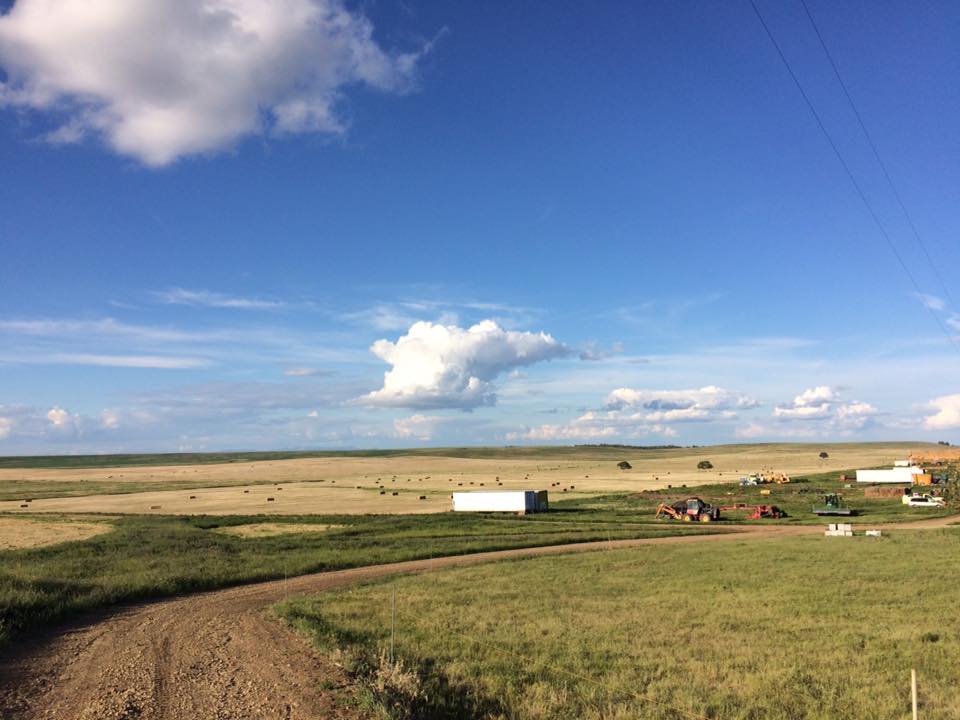
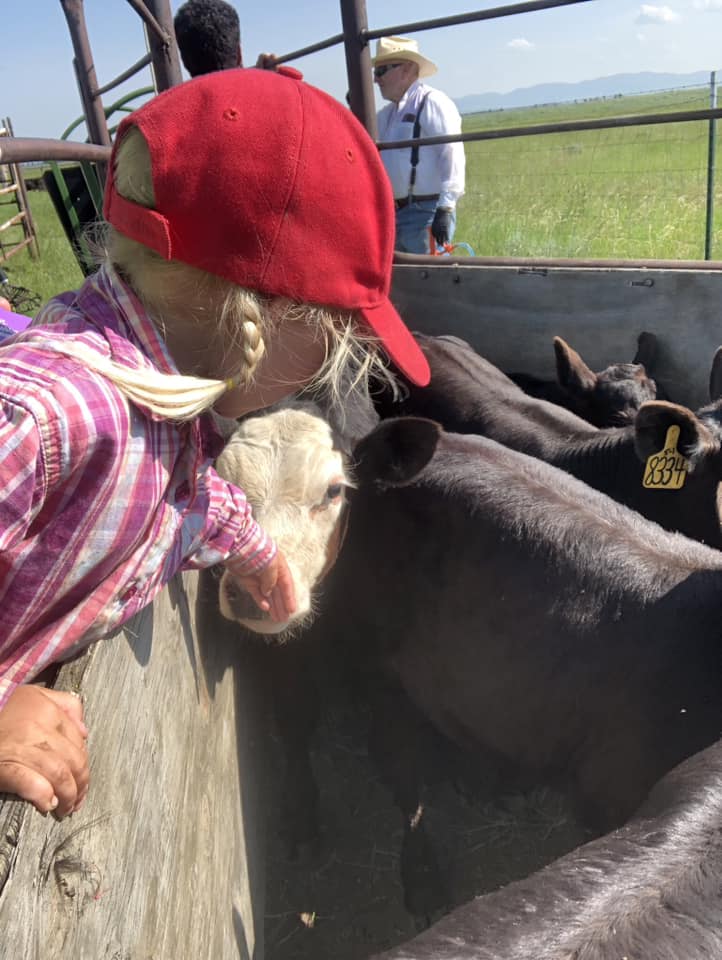
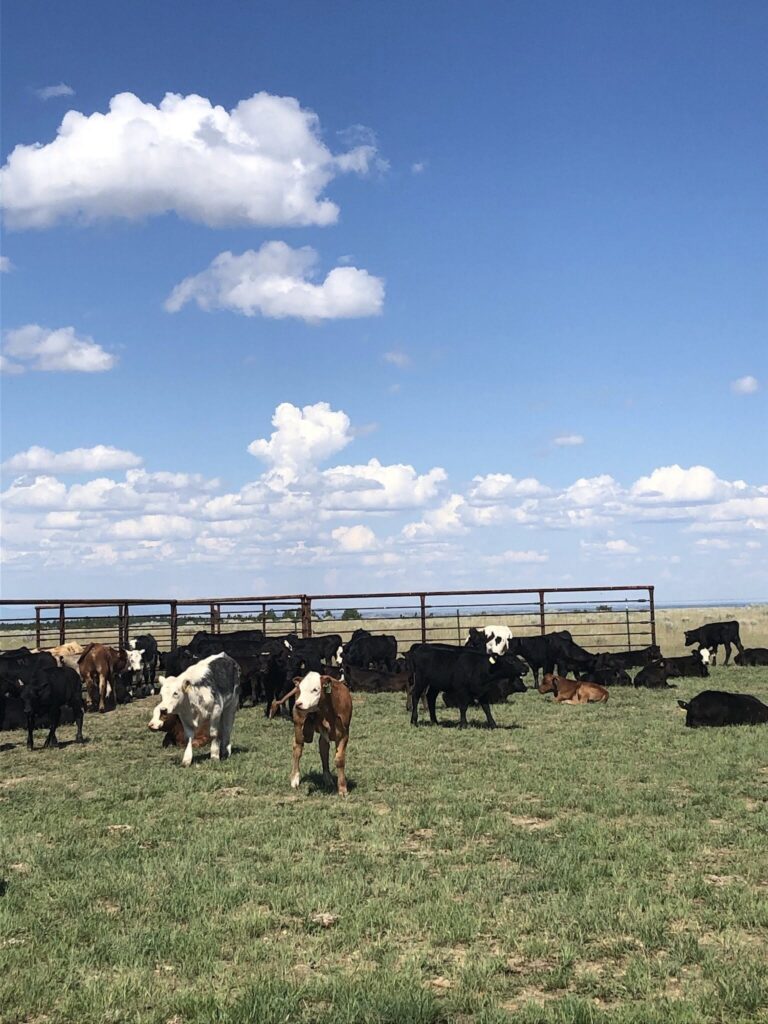
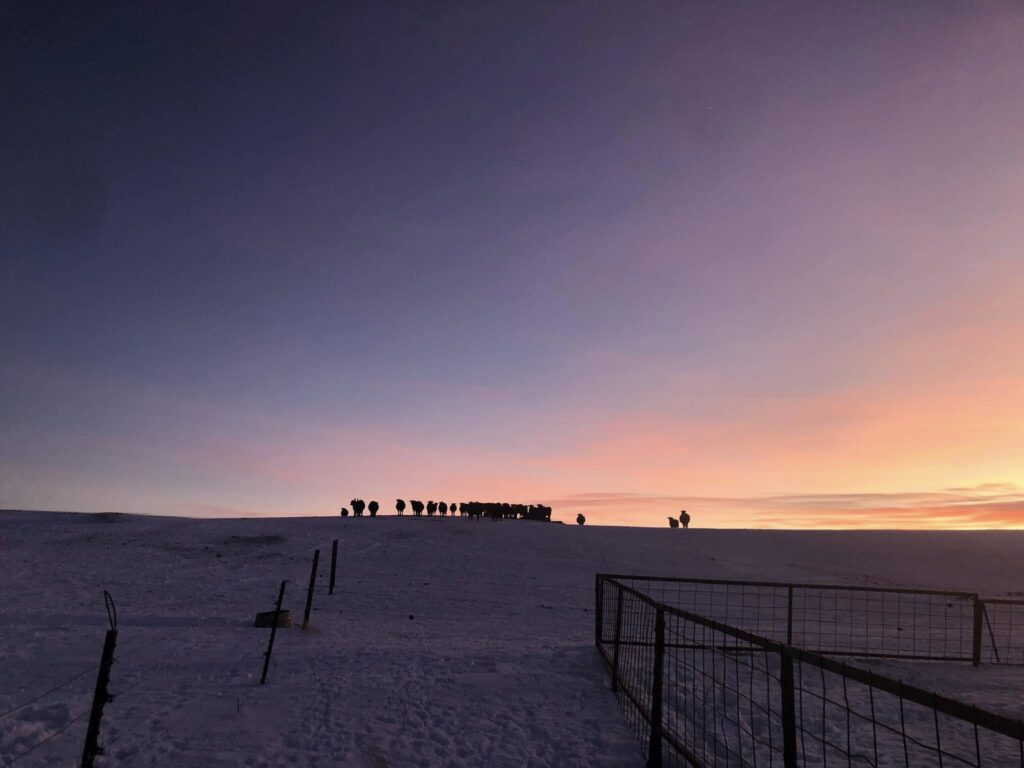
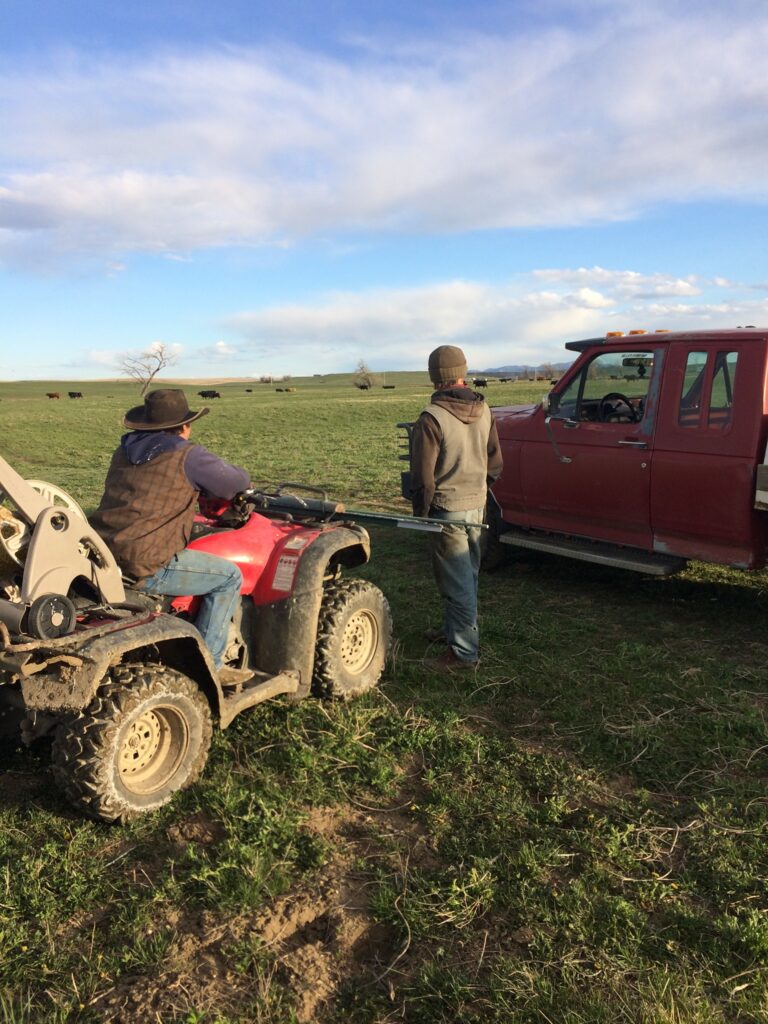
We are located southeast of Winifred, MT on ~12,000 acres, half in the rugged Missouri River Breaks and half in rolling hills, which inspired the name Rolling Hills Ranch. We run 250 mother cows and 250 yearling stockers, mainly Black Angus with a few hardier breeds mixed in.
Our family represents the 5th generation on this 100+ year ranch. We have five young children, and on the property also live Josh’s mother, his youngest brother, and his grandparents. Josh’s mom, Karla, and his brother, Noah (14), help with daily ranch operations.
More Story
March is spent preparing for calving and spring planting. Calving typically begins April 1 and continues through May, sometimes stretching into early June. Mid-June we begin cutting hay for winter bale grazing, usually finishing by the second week of July. We host a yearly three-day dirtbike race in early June, attracting about 260 riders and their families from several states.
We hold calf brandings in May and July. In the fall, we bale straw off-premises for side income and winter feed/bedding. Following that, we purchase undervalued stockers, plan next year’s operations, and prepare for rifle hunting in October. September is for selling yearlings and planting fall crops, and early October we precondition calves. In December, we preg-test heifers, two-year-olds, and any purchased animals. Feeding usually occurs November through April, though we are integrating winter grazing this year.
Our soil contains heavy clay (gumbo) and is tacky, and the climate is drier than nearby Lewistown, with some prickly pear cactus and abundant wildlife, including elk and antelope.
We work consistently five days a week and strive for two days off.
Regenerative Practices
We are currently 2 years into our regenerative journey and looking for things to improve as we learn and time and finances allow. Last winter we tried bale grazing for the first time and plan to do so again this winter. Over the last couple years we are working on diversifying our animal species and have successfully integrated one buck, ewe and lamb that live with the cows as well as two donkeys and are hoping to integrate goats next. We have 65 acres of planted cover crops to winter graze– we are excited to see improvements from that! We plan to minimize tillage and herbicide spraying as much as possible. We purchased a no-till drill this year so we can seed with less soil disruption. Over the last 25 years we’ve been striving to better rotationally graze our cattle. This allows us to have multiple paddocks from which to feed each month. We’ve also been building reservoirs to keep cattle watered. This has brought life to the land by providing homes for ducks, geese, muskrats, pelicans, and turtles. We’ve been spring-calving since the early 90s.
Tour
the Ranch
The Mentor
Josh Butcher
I grew up on our family ranch and have always loved working with cattle and the land. My dad encouraged us to seek outside income options, and when I was 15, I started my first windshield business, replacing windshields on vehicles and farm equipment. At 18, I moved to Bozeman for an electrical apprenticeship and spent four years there, during which I also got married.
In 2017, my dad suffered a heart attack and passed away in his sleep. While my wife and I had already planned to return to the ranch, this accelerated our move back the following spring to help my mom keep the operation running. Since then, I’ve been managing the cows alongside my mother. We are beginning the transition of management to my wife and me and plan to fully assume ownership over the next four years.
Over our eight years of marriage, we’ve been blessed with five children. We are homeschooling them along with my younger brother, Noah, and they have become great little helpers on the ranch, eager to be involved in all aspects of ranch life. Above all, we strive to serve our Creator, our community, and to care for the land and animals He has entrusted to us.
When working with cows, we aim to stay calm and low-energy, giving them time to respond to our cues. For the most part, our herd is well-dispositioned and attuned to our rhythms. I also value learning something new every day, often through audiobooks and podcasts on topics ranging from regenerative agriculture and finances to history and politics.
I serve as the local volunteer fire chief and may be called to respond to fires throughout the year. While we encourage ranch hands to participate in the fire department, it is not required.

The Duties Of
The Apprentice
What will an apprentice do?
What skills and traits are required?
- Honesty, integrity, respect, and understanding
- Required skills would be driving a vehicle and being observant of their surroundings
What skills will an apprentice acquire?
Nuts & Bolts
More Details
Living on the Ranch
Town Information
We are closest to Winifred, which is 12 miles away and has a post office, grocery store, and a bar/restaurant. About 400 people live there.
The next closest “town” is Lewistown, which is where we usually go for errands and business. Lewistown is home to around 6000 people and has many amenities – restaurants, coffee shops, ranch supply stores, grocery stores. There are young people in Lewistown and a Young Professionals group that may be of interest (they meet weekly). Other social activities may include church groups, golfing, hiking, fishing, or hunting. Lewistown is about 45 minutes from the ranch and has an airport.
The nearest “big” airport would be in Great Falls, Billings, or Bozeman.
Housing
Housing would be in a studio apartment that’s connected to the tack house. It has separate lockable doors, an entry porch, and a washer/dryer in the tack house. The apartment has 2 twin murphy beds and room for a table or couch, and also has a desk, closet, kitchen, shower, and bathroom.
Laundry
Laundry is in the tack house.
Internet Service
There is a wifi router in the apartment that is left turned on.
Cell Service
There is some cell service around the ranch. Some carriers are best – currently verizon towers seem to be the most dependable. We also do use on-person radios for communication while out working.
Visitors
Immediate family or relatives would be fine, though there is only 1 other twin murphy bed in the apartment. Other visitors we may be able to put up elsewhere if needed.
Food
Most meals will be shared. What meals are not shared, we would be happy to provide basic groceries for and also provide local raw honey, good beef, and fresh eggs.
Pets
Horses will be accepted with the understanding that we are not liable for any injuries to the animal during the time it is here. Cats are allowed as long as they are spayed or neutered. Dogs may be allowed – they would need to be fixed and it would be dependent on the breed and personality as we have children, cats, and chickens in the yard. We do have an outside dog pen attached to the apartment that may be used.
Drugs / Tobacco / Alcohol
We are a drug-free environment, no drugs or cannabis will be allowed on the premises. Tobacco and alcohol use is discouraged but will be allowed if children are not present. There will be no alcohol use while working, and we expect any alcohol consumption to be kept in moderation.
Firearms
Please discuss during interview.
Vehicle Info
Ranch Vehicles
Ranch vehicle will be provided during work hours. We do have 1 ranch vehicle that’s manual, but we can teach how to drive it.
Personal Vehicles
Personal Vehicles are needed for days off and personal errands.
Work Hours / Time Off
Working Hours
During winter/spring (Mar & April) we generally have breakfast around 8:00 and are working by 9:00. We’ll generally break for lunch around 1:00 and then resume working until 5 or 6 in the evening when it is getting dark. Come summer months, we are usually up by 6AM and eating breakfast by 7AM, with lunch around 1PM and supper around 7.Time Off
We take Sundays off most every week. We try really hard to take a Saturday or other additional day off as well each week as a day of rest.
Health Insurance
Explore
Apprentice Stories
Check out past apprentices and what they have to say about their experience.